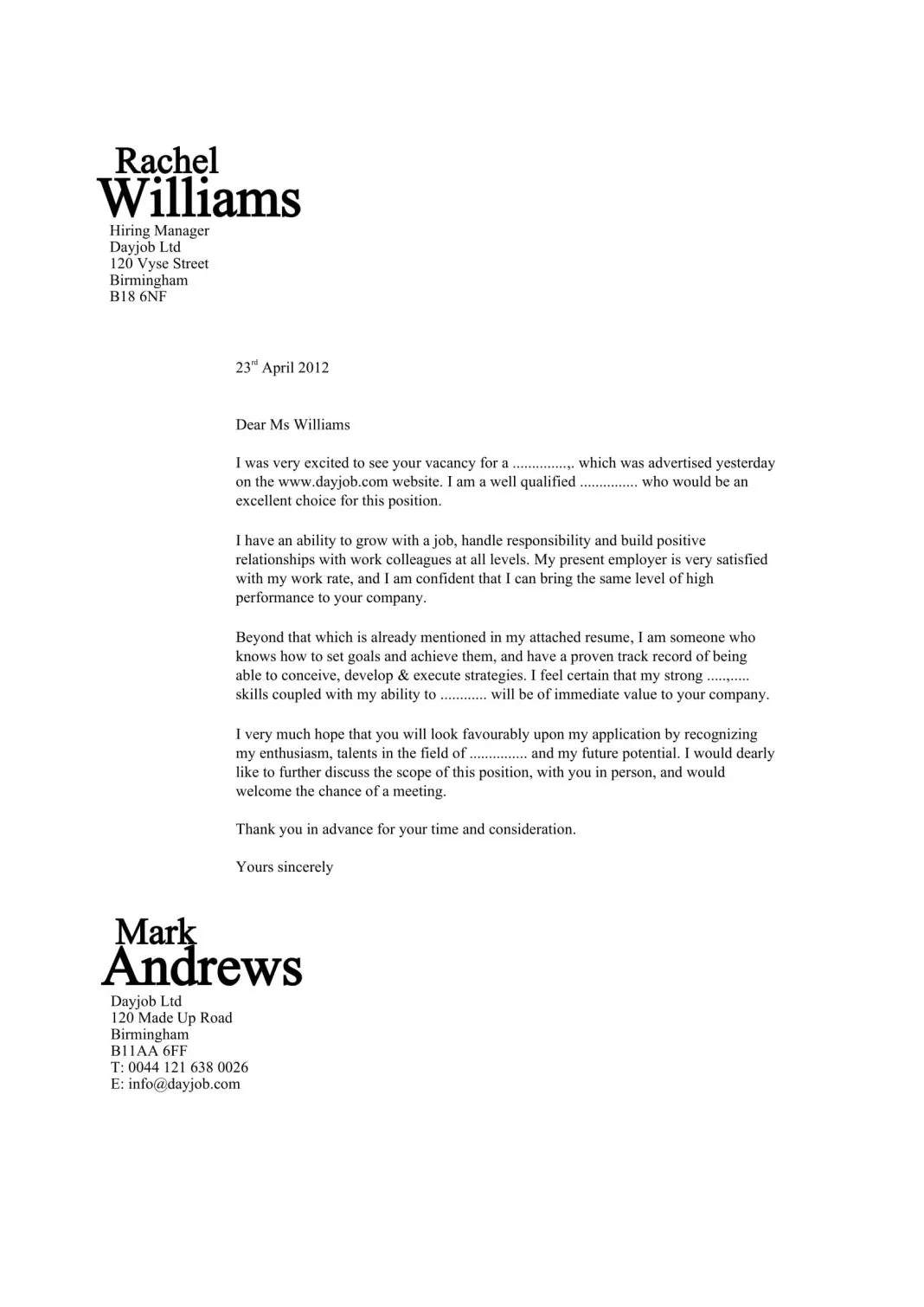
What is a Cover Letter and Why Is It Important
A cover letter is a crucial document that accompanies your resume when applying for a job. It serves as your personal introduction, allowing you to highlight your qualifications, express your interest in the position, and demonstrate why you are a good fit for the company. Unlike a resume, which provides a factual summary of your skills and experience, a cover letter offers you the opportunity to tell your story, showcase your personality, and persuade the hiring manager to read your resume. It is an essential tool in your job search arsenal, giving you a chance to make a positive first impression and differentiate yourself from other candidates. A well-crafted cover letter can significantly increase your chances of landing an interview.
Understanding the Purpose of a Cover Letter
The primary purpose of a cover letter is to get you an interview. It’s your chance to make a compelling case for why the hiring manager should consider you. A cover letter is not just a repetition of your resume; instead, it should expand on your key skills and experiences and illustrate how they align with the job requirements. It should demonstrate your understanding of the company and the role, and express your genuine enthusiasm for the opportunity. By effectively communicating your value proposition, a cover letter can capture the attention of the hiring manager and set you apart from other applicants.
The Role of a Cover Letter in Job Applications

In the context of a job application, a cover letter serves as a bridge between your qualifications and the job requirements. It contextualizes your skills and experiences, making them relevant to the specific role you are applying for. A strong cover letter allows you to explain any gaps in your employment history, career changes, or other factors that might be important to the hiring manager. It is an opportunity to showcase your communication skills, demonstrate your personality, and build a personal connection with the reader. The cover letter is the first opportunity to make a positive impression and convince the employer that you are worth the time and effort to consider for the position.
Key Components of a Results-Driven Cover Letter
Header and Contact Information
Start your cover letter with a professional header that includes your name, address, phone number, and email address. This information should be at the top of the page, typically left-aligned. Ensure your email address is professional, using your full name or a variation thereof. Also, include the date and the hiring manager’s name and address (if available). Using the correct contact information is vital for ensuring a positive first impression and enabling the hiring manager to contact you easily.
Addressing the Hiring Manager

Always address the hiring manager by name if possible. Researching the company’s website or LinkedIn can help you find the appropriate name. Using the hiring manager’s name immediately creates a more personal and engaging connection. If you cannot find the hiring manager’s name, use a general salutation such as ‘Dear Hiring Manager’ or ‘Dear [Department Name] Team’. Avoid generic greetings such as ‘To Whom It May Concern,’ as they suggest a lack of effort and personalization.
Crafting a Compelling Opening Paragraph
The opening paragraph is your first chance to capture the hiring manager’s attention. Make it concise, engaging, and focused on the job. Start by stating the position you are applying for and where you saw the job posting. Briefly mention why you are interested in the role and the company. This paragraph should clearly demonstrate your understanding of the company’s needs and your ability to meet them. The opening should make the reader want to learn more about you.
Highlighting Your Skills and Experience
The body of your cover letter is where you elaborate on your skills and experience. Focus on the most relevant qualifications for the job. Provide specific examples that demonstrate how you have used those skills to achieve results. Use the STAR method (Situation, Task, Action, Result) to structure your examples, making them clear, concise, and impactful. Quantify your achievements whenever possible. This helps illustrate the value you can bring to the company. For instance, instead of saying ‘Managed projects,’ state ‘Managed five projects, resulting in a 15% increase in efficiency.’
Quantifying Achievements with Data

Use data and metrics to showcase your accomplishments. Quantifiable results make your claims more credible and show the impact of your work. For example, instead of saying ‘Improved customer satisfaction,’ write ‘Improved customer satisfaction scores by 20% through implementing a new feedback system.’ Use numbers, percentages, and specific figures to illustrate the positive outcomes you have achieved in previous roles. This demonstrates your ability to deliver tangible results and provides the hiring manager with concrete evidence of your capabilities.
Tailoring Your Cover Letter to the Job
Researching the Company and the Role
Thoroughly research the company and the specific role you are applying for. Understand the company’s mission, values, and recent projects. Tailor your cover letter to address the specific needs of the company and the job description. Show that you have taken the time to understand what the employer is looking for in a candidate. This demonstrates your genuine interest in the opportunity and your commitment to the role.
Using Keywords from the Job Description

Carefully review the job description and identify the key skills, qualifications, and keywords. Incorporate these keywords naturally throughout your cover letter. This helps the hiring manager quickly see that you possess the required skills and that your qualifications align with the job requirements. Avoid keyword stuffing. Integrate the keywords in a way that feels authentic to your writing style and provides a clear indication that you meet the employer’s criteria.
The Art of the Closing Paragraph
Expressing Enthusiasm and a Call to Action
Conclude your cover letter with a strong closing paragraph. Reiterate your interest in the position and the company, and briefly summarize why you are a good fit. Express your enthusiasm for the opportunity and include a call to action, such as requesting an interview. Clearly state your availability for an interview and thank the hiring manager for their time and consideration. End with a professional closing, such as ‘Sincerely’ or ‘Best regards,’ followed by your name.
Proofreading and Formatting Your Cover Letter

Formatting for Readability
Ensure your cover letter is easy to read. Use a professional font, such as Times New Roman, Arial, or Calibri, with a font size between 10 and 12 points. Use single spacing within paragraphs and double spacing between paragraphs. Maintain consistent margins and alignment. Break up large blocks of text with shorter paragraphs to avoid overwhelming the reader. A well-formatted cover letter shows attention to detail and respect for the hiring manager’s time.
Common Mistakes to Avoid
Avoid common mistakes such as typos, grammatical errors, and generic content. Do not use the same cover letter for every job. Tailor each letter to the specific job and company. Avoid overly formal or informal language, and refrain from making negative comments about previous employers or jobs. Don’t exceed one page in length, and ensure your cover letter is free of any irrelevant information. Keep the focus on your qualifications and how you can benefit the employer.
The Importance of Proofreading

Proofread your cover letter meticulously. Errors in grammar and spelling can damage your credibility. Read through your letter multiple times, and consider asking a friend, family member, or career counselor to review it for you. Pay close attention to details such as punctuation, capitalization, and word choice. Proofreading demonstrates your attention to detail and professionalism. A polished cover letter is a reflection of your commitment to excellence.
Cover Letter Examples and Templates
Where to Find Cover Letter Templates
Many resources offer cover letter templates that can help you get started. Websites like Indeed, Resume.com, and Zety provide a variety of templates for different industries and job roles. Customize the template to match your personal brand and the specific job you are applying for. Using a template can save you time and provide a structure for your letter, but always tailor it to your unique qualifications and experiences.
Analyzing Successful Cover Letter Examples

Study successful cover letter examples to understand how to effectively communicate your skills and experience. Analyze the structure, language, and tone of the examples. Pay attention to how the writers highlight their qualifications, express their enthusiasm, and tailor their letters to the specific job requirements. Look for examples that match your industry and career level, and use them as a guide when creating your own cover letter.
Final Thoughts
Writing a compelling cover letter is an essential step in your job search. By following these guidelines, you can create a cover letter that showcases your skills, experience, and enthusiasm for the job, increasing your chances of landing an interview. Remember to tailor your cover letter to each job application, proofread it carefully, and always put your best foot forward. Your cover letter is your opportunity to make a great first impression and convince the hiring manager that you are the right person for the job. Good luck!