What is a Cover Letter
A cover letter is a crucial document that accompanies your resume when applying for a job. It serves as your introduction to the hiring manager, providing a concise overview of your qualifications, skills, and experience. Unlike a resume, which lists your accomplishments, a cover letter allows you to express your personality, demonstrate your enthusiasm for the position, and explain why you are the ideal candidate. Think of it as your personal sales pitch, designed to persuade the employer to invite you for an interview. The cover letter gives you the chance to expand on specific achievements, connect them to the job requirements, and show how you can contribute to the company’s success. A well-crafted cover letter can significantly increase your chances of getting noticed and landing your dream job.
The Importance of Cover Letters
In today’s competitive job market, the importance of a cover letter cannot be overstated. It’s not just a formality; it’s an opportunity to make a strong first impression and distinguish yourself from other applicants. A cover letter demonstrates your communication skills, attention to detail, and genuine interest in the specific role and company. It allows you to personalize your application and highlight aspects of your experience that align directly with the job requirements. Employers often use cover letters to assess your writing ability, understand your motivations, and determine if you’re a good fit for their company culture. Even in cases where a cover letter is optional, submitting a well-written one can give you a competitive edge and showcase your proactive approach. By investing time in crafting a compelling cover letter, you’re investing in your career and increasing your chances of success.
Cover Letter vs Resume
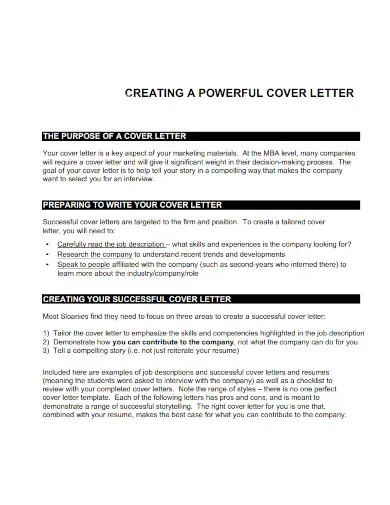
Understanding the difference between a cover letter and a resume is essential for a successful job application. Your resume provides a summary of your work history, education, skills, and achievements. It is a factual document that presents your qualifications in a concise and organized manner. In contrast, your cover letter is a more personalized and narrative document. It allows you to elaborate on specific experiences, explain your career goals, and express your interest in the particular job and company. The resume is primarily for the hiring manager to quickly review your professional background, while the cover letter provides an opportunity to make a connection, convey your enthusiasm, and demonstrate your suitability for the position. Together, these documents create a comprehensive picture of your qualifications and make a stronger case for your candidacy. Both documents are crucial in securing a job interview.
Key Elements of a Winning Cover Letter
Creating a winning cover letter involves several key elements that work together to capture the hiring manager’s attention and highlight your qualifications. These elements include a professional header, a compelling opening paragraph, well-structured body paragraphs, and a strong closing. Each section should be carefully crafted to convey your skills, experience, and enthusiasm for the role. A well-written cover letter is not just a formality, but an opportunity to create a lasting impression and increase your chances of getting an interview. Focus on tailoring your cover letter to each specific job and company. Highlight the skills and experiences that are most relevant to the position. Proofread your letter carefully to eliminate errors and ensure a polished presentation. By mastering these key elements, you can create a cover letter that stands out and helps you land your dream job.
Header and Contact Information
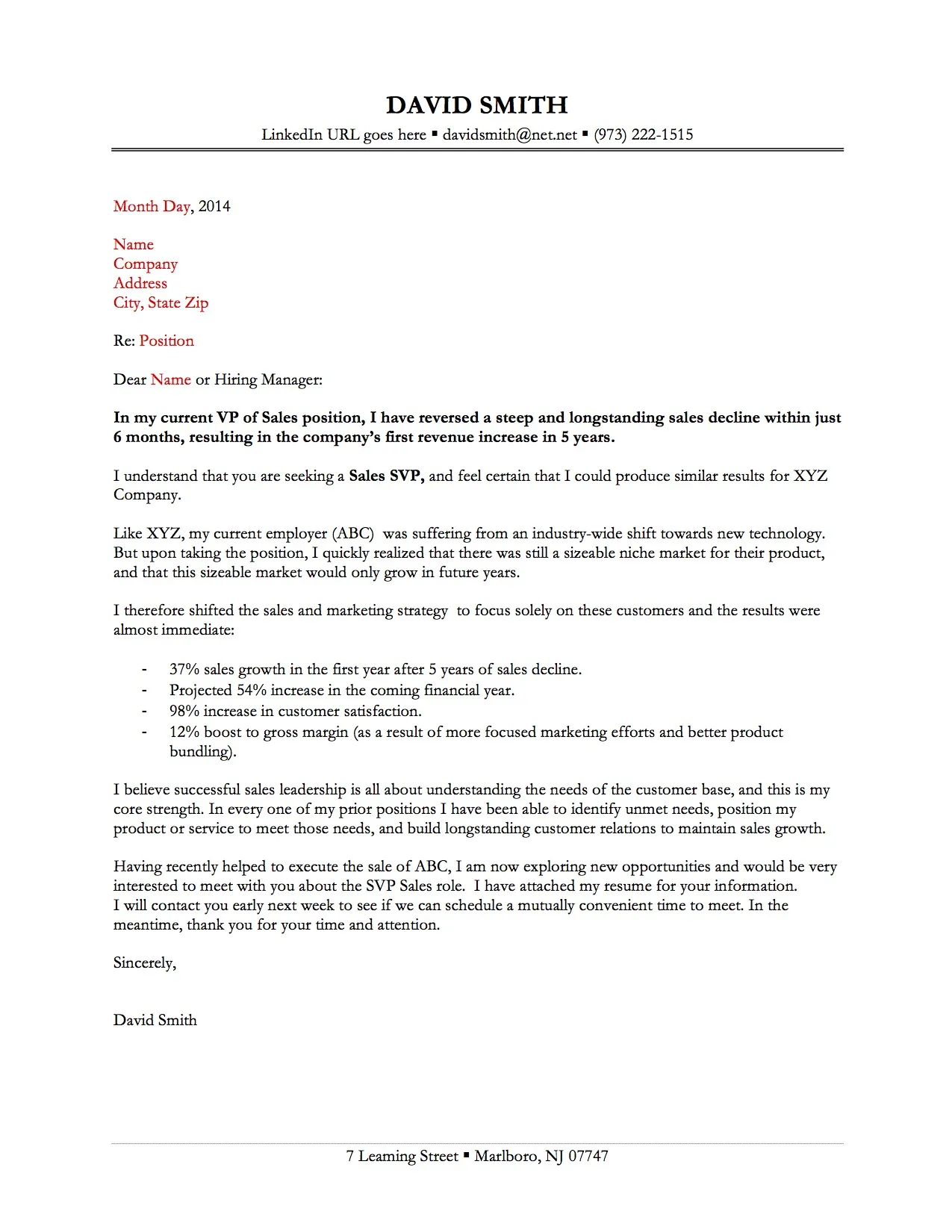
A professional header is the first thing the hiring manager sees, so it’s essential to make a good impression. Your header should include your full name, contact information (phone number and email address), and optionally, your LinkedIn profile URL. Make sure your contact information is accurate and up-to-date. Place the header at the top of the page, aligning it either to the left or the right. Include the date and the hiring manager’s name and address (if available). Using a clear and easy-to-read font ensures that your contact information is easily accessible. Consistency in formatting and the use of a professional font sets the tone for the rest of your letter and shows that you pay attention to detail. The header must be easily identifiable and professional.
Salutation and Addressing the Hiring Manager

The salutation is your initial greeting and sets the tone for the rest of the letter. If possible, address the hiring manager by name. Research the company and the job posting to identify the correct person. Using the hiring manager’s name shows that you’ve done your research and that you are making a personal connection. If you’re unable to find the hiring manager’s name, use a professional alternative like “Dear Hiring Manager,” “Dear [Department Name] Hiring Team,” or “To Whom It May Concern.” Avoid generic salutations like “Dear Sir or Madam.” Using the appropriate salutation can significantly increase the impact of your cover letter by creating a more personal and engaging experience. The salutation is crucial to establishing a professional tone.
Opening Paragraph Grab Attention
The opening paragraph is your chance to grab the hiring manager’s attention from the start. Start with a strong statement that highlights your enthusiasm for the position. Briefly state the specific role you are applying for and how you learned about it. Mention your most relevant skill or experience and how it aligns with the company’s needs. You can also mention any mutual connections or shared values. Make your opening paragraph concise and impactful. Clearly convey your excitement and interest in the role and the company. Avoid generic opening statements. The goal is to immediately show the hiring manager that you are a good fit and encourage them to continue reading. A well-crafted opening paragraph sets the stage for the rest of your cover letter.
Body Paragraphs Highlight Your Skills
The body paragraphs are the heart of your cover letter. They should showcase your skills, experience, and qualifications in a clear and compelling way. Select the most relevant skills and experiences that align with the job requirements. Use specific examples to demonstrate how you’ve used these skills in the past. The paragraphs should support your claims and provide concrete evidence of your abilities. Focus on tailoring your letter to the job and company, mentioning specific projects or accomplishments that are relevant to the role. Structure your body paragraphs logically, each one focusing on a specific skill or aspect of your experience. Use action verbs to describe your achievements and quantify your results whenever possible. A well-structured body is crucial for conveying your value to the hiring manager and increasing your chances of getting an interview.
Showcase Relevant Experience

In the body paragraphs, focus on highlighting the experiences most relevant to the job. Provide concrete examples of how you have successfully used your skills. Tailor each example to the specific requirements of the position. If the job description emphasizes project management, highlight your experience managing projects, the methodologies used, and the results achieved. Use the STAR method (Situation, Task, Action, Result) to structure your examples. Describe the situation, the task you were assigned, the action you took, and the results you achieved. This structured approach helps demonstrate your abilities and quantify your achievements. Make it easy for the hiring manager to see how your past experiences align with the needs of the role. By showcasing relevant experiences, you demonstrate that you are a good fit for the role and the company.
Quantify Achievements with Data
Whenever possible, quantify your achievements with data. Numbers and specific metrics make your accomplishments more impactful. Instead of saying “Improved customer satisfaction,” say “Increased customer satisfaction by 15% within six months.” Use data to demonstrate the impact of your work. Use numbers to illustrate your skills and contributions. Quantifying your accomplishments provides objective evidence of your abilities and demonstrates your impact. For example, if you increased sales, specify the percentage increase or the total revenue generated. If you improved efficiency, provide the percentage or amount of time saved. Providing measurable results helps the hiring manager to better understand your capabilities. This approach strengthens your claims and makes your cover letter more convincing.
Closing Paragraph Call to Action
Your closing paragraph should reiterate your interest in the position and express your enthusiasm for the opportunity. Briefly summarize why you are a strong candidate. Include a call to action, such as inviting the hiring manager to contact you for an interview. Thank the hiring manager for their time and consideration. Keep the closing concise and professional. Avoid clichés or overly enthusiastic language. A strong closing paragraph should leave a positive lasting impression, emphasizing your interest and availability for the next step in the hiring process. The closing is crucial for maintaining a professional tone.
Formatting and Design Tips

The formatting and design of your cover letter can significantly impact its readability and professionalism. A well-formatted letter is easy to read, visually appealing, and reflects your attention to detail. Choose a clean, professional font like Arial, Calibri, or Times New Roman. Keep the font size between 10 and 12 points. Use clear headings and bullet points to break up large blocks of text. Ensure there is sufficient white space around the text. White space enhances readability and allows the reader to easily scan the document. Formatting and design elements contribute to the overall effectiveness of your cover letter. A well-designed letter demonstrates your organizational skills. The goal is to make your letter easy to read and visually appealing.
Font and Readability
Choosing the right font is essential for the readability and overall appearance of your cover letter. Select a professional and easy-to-read font, such as Arial, Calibri, or Times New Roman. Avoid overly decorative or complex fonts that can be difficult to read. Maintain a consistent font throughout your cover letter for a clean look. Adjust the font size to be between 10 and 12 points. This range is optimal for readability. Use bold or italics sparingly for emphasis. Ensure that your chosen font is compatible with common word processing software. A well-chosen font contributes to a polished and professional presentation, increasing the readability of your cover letter.
White Space and Visual Appeal
White space is the blank space around your text and between paragraphs. Proper use of white space significantly improves the visual appeal and readability of your cover letter. Use white space to separate different sections, making the document easier to scan. Adjust the margins to ensure sufficient space around the text. Avoid overcrowding the page. Keep paragraphs concise and add space between them. Use bullet points to highlight key information. This breaks up text and makes it easier to read. A visually appealing cover letter is more likely to capture the hiring manager’s attention. Good use of white space makes your cover letter less overwhelming and more enjoyable to read.
Proofreading and Editing

Thorough proofreading and editing are critical steps in creating a winning cover letter. Typos, grammatical errors, and inconsistencies can damage your credibility and undermine your application. Always proofread your cover letter multiple times. Check for spelling errors, grammatical mistakes, and punctuation issues. Read your cover letter aloud. This can help you catch errors that you might miss when reading silently. Ask a friend or colleague to review your cover letter. A fresh pair of eyes can often identify errors that you have overlooked. Ensure your cover letter is free of errors and presents a polished and professional image. Proofreading is a critical step to ensure your cover letter is successful.
Common Mistakes to Avoid
Avoiding common mistakes is essential to creating an effective cover letter. These mistakes can undermine your application and decrease your chances of getting an interview. Be aware of the potential pitfalls and proofread your letter carefully before submitting it. A well-crafted cover letter is free of common mistakes.
Generic and Unfocused Content
One of the most common mistakes is using a generic, one-size-fits-all cover letter. Generic cover letters lack personalization and fail to connect with the hiring manager. Tailor your cover letter to each specific job and company. Highlight the skills and experiences that are most relevant to the position. Research the company and its culture to demonstrate your genuine interest. Avoid generic phrases and clichés. Specific details are more compelling than general statements. The goal is to create a compelling case for why you are the best candidate for the role. Personalize your cover letter for each application.
Typos and Grammatical Errors

Typos and grammatical errors can damage your credibility and make you appear unprofessional. They indicate a lack of attention to detail and can lead the hiring manager to question your qualifications. Always proofread your cover letter carefully before submitting it. Use spell-check and grammar-check tools. Read your cover letter aloud to catch errors. Ask a friend or colleague to review your letter. A polished cover letter is essential for creating a positive first impression. Make sure your cover letter is free of errors.
Lengthy and Unnecessary Information
Keep your cover letter concise and to the point. Hiring managers often have limited time. Avoid including lengthy or irrelevant information. Focus on the most important skills and experiences. Tailor your cover letter to the specific job requirements. Remove any information that does not directly support your candidacy. Aim for a cover letter that is no more than one page long. A concise and focused cover letter is more likely to capture the hiring manager’s attention. Stick to the most essential information.
Tailoring Your Cover Letter
Tailoring your cover letter to each job is essential to demonstrate your interest and suitability. Carefully review the job description and identify the key requirements and skills. Customize your cover letter to highlight the experiences and accomplishments that align with these requirements. Use keywords from the job description to show that you understand the role. Research the company and mention their mission, values, or recent projects. This shows that you’ve done your homework and are genuinely interested in the position. Tailoring your cover letter increases your chances of getting noticed. It demonstrates your understanding of the job and your interest in the company.