What is a Cover Letter (and Why You Need One)
A cover letter is a crucial document that accompanies your resume when applying for a job. It serves as a personalized introduction, allowing you to highlight your relevant skills, experiences, and enthusiasm for the specific position and company. Unlike your resume, which provides a factual overview of your work history, a cover letter offers an opportunity to explain why you are the ideal candidate and why you are genuinely interested in the opportunity. It’s your chance to make a strong first impression and persuade the hiring manager to read your resume carefully. Failing to include a cover letter, or submitting a generic one, can significantly decrease your chances of landing an interview. A well-crafted cover letter demonstrates your communication skills, attention to detail, and genuine interest in the role and the organization, setting you apart from other applicants.
Cover Letter Essentials Format and Structure
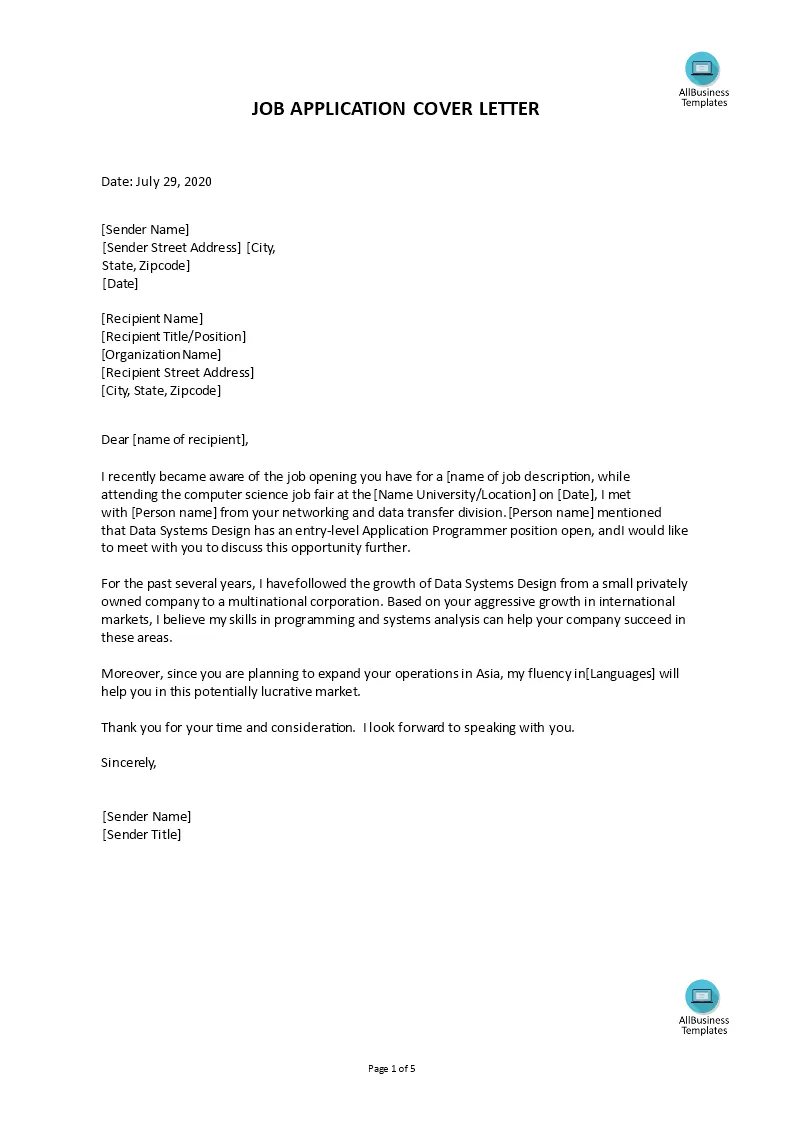
A well-structured cover letter follows a standard format that is easy to read and navigate. The key elements include your contact information, the date, the recipient’s contact information, a salutation, an introductory paragraph, body paragraphs (usually two or three), a closing paragraph, and a professional closing. Proper formatting is essential for readability and professionalism. Use a clean, easy-to-read font like Arial, Calibri, or Times New Roman, with a font size between 10 and 12 points. Maintain consistent margins (typically 1 inch on all sides) and use single spacing within paragraphs and a double space between paragraphs. Always proofread your cover letter meticulously for any errors in grammar, spelling, and punctuation. Remember, the cover letter is a representation of your attention to detail. Therefore it is vital to ensure your cover letter is clean, clear and easy to follow.
Contact Information (Your and Recipient)

At the top of your cover letter, include your contact information, such as your full name, phone number, email address, and LinkedIn profile URL (optional). This ensures the hiring manager can easily reach you. Below your contact information, include the date. Directly below the date, add the recipient’s information, including their name, title, company, and address. If you can’t find the hiring manager’s name, try to research it on the company website or LinkedIn. Addressing the letter to a specific person shows that you have done your research and are genuinely interested in the position. If you are unable to find the name of the hiring manager, use a professional alternative such as “Hiring Manager”.
Salutation How to Address the Hiring Manager
Start your cover letter with a professional salutation. If you know the hiring manager’s name, use “Dear Mr./Ms./Mx. [Last Name]”. If you don’t know the name, you can use “Dear Hiring Manager” or “Dear [Company Name] Hiring Team”. Avoid generic greetings like “To Whom It May Concern” as they come off as impersonal. Always double-check the spelling of the name to ensure you address the hiring manager correctly. The salutation sets the tone for your letter, so it’s crucial to make a good first impression. It also demonstrates that you have taken the time to find out who you are writing to, which shows your initiative and attention to detail. A personalized salutation increases your chances of capturing the hiring manager’s attention immediately and making them more likely to read your letter.
The Body Paragraphs Showcasing Your Value
The body of your cover letter is where you showcase your skills, experience, and enthusiasm for the role. It typically consists of two to three paragraphs that highlight your qualifications and explain why you are the perfect fit for the job. Your body paragraphs should be concise, focused, and tailored to the specific job requirements. Use strong action verbs, quantifiable achievements, and examples to demonstrate your value. Focus on the most relevant experiences and skills. Make sure to link your qualifications directly to the job description, emphasizing how you meet the employer’s needs. Each paragraph should serve a specific purpose in conveying your suitability for the position.
First Paragraph Grabbing Their Attention

The first paragraph should immediately grab the reader’s attention and make them want to read more. Start by stating the position you are applying for and where you found the job posting. Briefly mention why you are interested in the role and the company. Highlight one or two of your most relevant skills or experiences to create an immediate connection with the job requirements. Keep the opening concise and enthusiastic, setting a positive tone for the rest of the letter. This is your opportunity to make a strong first impression, so make sure to convey your enthusiasm and genuine interest. Avoid clichés and instead, strive for a compelling opening that piques the hiring manager’s curiosity and makes them want to learn more about you.
Second Paragraph Highlighting Achievements
In the second paragraph, delve deeper into your qualifications. Provide specific examples of your achievements and how they relate to the job requirements. Use the STAR method (Situation, Task, Action, Result) to structure your responses, providing context, describing your role, detailing your actions, and quantifying your results whenever possible. Focus on the skills and experiences most relevant to the job description. Tailor your examples to match the key requirements outlined in the job posting, demonstrating how you have successfully utilized your skills in past roles. Use action verbs to describe your accomplishments, and try to quantify your achievements whenever possible, using numbers and data to show the impact of your work. This will provide concrete evidence of your abilities and showcase your value to the potential employer.
Third Paragraph Connecting Skills to the Job
The third paragraph (if needed) should further connect your skills and experiences to the job description and the company’s needs. Reiterate your interest in the specific role and organization, demonstrating that you have researched the company and understand its mission, values, and goals. Explain how your skills and experiences align with the company’s culture and the specific requirements of the position. Highlight your ability to contribute to the team and achieve the company’s objectives. Clearly articulate why you are the best candidate for the job and how you can add value to the organization. This is your opportunity to solidify your case and show why you are the ideal candidate to fulfill the requirements of the position and to provide value to the company.
Closing Expressing Enthusiasm and Call to Action

Conclude your cover letter with a strong closing paragraph. Reiterate your enthusiasm for the role and the company, and express your interest in an interview. Thank the hiring manager for their time and consideration. Include a call to action, such as stating that you look forward to hearing from them soon or are available for an interview at their earliest convenience. Keep the closing professional and confident. Ensure your tone reflects your genuine interest and desire to learn more about the opportunity. Proofread the entire letter again before signing off with a professional closing, such as “Sincerely” or “Best regards”, followed by your full name.
Key Elements of a Compelling Cover Letter
A compelling cover letter includes several key elements that work together to capture the hiring manager’s attention and showcase your qualifications. It should be tailored to the specific job, highlighting the skills and experiences that are most relevant to the position. A well-crafted cover letter also demonstrates your enthusiasm for the role and the company and uses a professional tone and format. Proofreading is an essential step, ensuring that there are no errors in grammar or spelling. It should also clearly articulate why you are the best candidate for the job and what value you can bring to the organization. The tone of the cover letter must be confident and professional. Finally, remember to include a clear call to action, inviting the hiring manager to contact you for an interview. The goal is to make a positive impact and get the reader interested in your application.
Showcasing Your Skills and Experience
Your cover letter is an opportunity to highlight the skills and experiences most relevant to the job. Instead of simply listing your skills, provide specific examples of how you have utilized them in previous roles. Use action verbs to describe your accomplishments and quantify your achievements whenever possible. For example, instead of saying “Managed projects,” say “Managed 5 projects simultaneously, delivering them on time and under budget.” Tailor your examples to match the key requirements outlined in the job description, demonstrating how you meet the employer’s needs. Focus on experiences that directly align with the job duties and responsibilities. By providing concrete examples, you can effectively demonstrate your value to the potential employer. Remember to present your skills and experiences in a clear, concise, and compelling manner that aligns directly with the job requirements.
Quantifying Your Achievements

Whenever possible, quantify your achievements to demonstrate the impact of your work. Instead of stating that you “improved sales,” say “Increased sales by 15% in Q2 2023.” Numbers and data provide concrete evidence of your abilities and showcase the value you can bring to the company. Use percentages, dollar amounts, and other metrics to demonstrate your accomplishments. For instance, if you saved the company money, state the exact amount. If you improved efficiency, quantify the improvement in terms of time or resources saved. When describing projects, mention the scope, such as the number of people involved or the budget managed. Quantifying your achievements makes your cover letter more compelling and makes it easier for the hiring manager to assess your potential contributions. Your accomplishments become more concrete and memorable when you add numbers to the equation.
Tailoring Your Letter to the Job
One of the most important aspects of a successful cover letter is tailoring it to the specific job you are applying for. Avoid using a generic cover letter for every application. Instead, carefully review the job description and identify the key requirements and desired qualifications. Highlight your relevant skills and experiences and explain how they align with the specific needs of the position. Customize your cover letter by incorporating keywords from the job description and showcasing how your background makes you a strong match for the role. Research the company to understand its mission, values, and goals, and mention them in your letter to demonstrate your genuine interest. Tailoring your cover letter shows that you have taken the time to understand the job and the company and that you are genuinely interested in the opportunity.
Proofreading and Formatting Tips
Proofreading and proper formatting are essential for making a positive impression. Before sending your cover letter, carefully proofread it for any errors in grammar, spelling, and punctuation. Errors can undermine your credibility and make you appear unprofessional. Use a spell checker and grammar checker, but also read the letter aloud to catch any mistakes that automated tools may miss. Pay attention to the overall formatting, including font, font size, margins, and spacing. Ensure that your cover letter is clean, easy to read, and visually appealing. Use a professional font like Arial, Calibri, or Times New Roman, and maintain consistent margins and spacing throughout the document. Ensure the structure is logical, with clear paragraphs and headings. A well-formatted and error-free cover letter demonstrates your attention to detail and professionalism, which can significantly increase your chances of success.
Common Mistakes to Avoid

Several common mistakes can negatively impact your cover letter and decrease your chances of getting an interview. One of the biggest mistakes is using a generic cover letter. Avoid using the same cover letter for every application and tailoring it to each job. Another mistake is focusing on what you want rather than what you can offer the company. Also, don’t use a negative tone or make negative statements about previous employers or jobs. Your cover letter is a chance to showcase your value. It should show you’re a positive and enthusiastic person. Avoid overusing jargon or slang. Make sure to write in clear, concise language. Use a professional tone at all times. Always proofread your cover letter carefully to catch any errors. By avoiding these common mistakes, you can significantly improve your cover letter and increase your chances of getting noticed.
Typos and Grammatical Errors
Typos and grammatical errors can undermine your credibility and make you appear unprofessional. Always proofread your cover letter carefully for any errors in spelling, punctuation, and grammar. Use a spell checker and grammar checker, but also read the letter aloud to catch any mistakes that automated tools may miss. Ask a friend, family member, or career counselor to review your cover letter for errors. Ensure you use correct grammar and spelling throughout. Even minor errors can create a negative impression. Thorough proofreading demonstrates your attention to detail and professionalism. Correct grammar and spelling are critical for your cover letter’s success.
Generic Content
Submitting a generic cover letter is a major mistake. Generic cover letters lack personalization and do not demonstrate your genuine interest in the specific job or company. Tailor your cover letter to each job application. Highlight the skills and experiences most relevant to the position. Research the company and mention its mission, values, and goals to demonstrate your interest. Instead of using generic phrases, use specific examples to showcase your achievements and quantify your results whenever possible. Personalize your letter to show you have carefully read the job description. This shows your attention to detail and that you have done your research. Customizing each letter shows that you are willing to put in the effort to make the case for why you are a good fit.
Length of the Letter

Keep your cover letter concise and to the point. Hiring managers are busy and may not have time to read lengthy documents. Ideally, your cover letter should be no more than one page long. Focus on the most relevant information and avoid unnecessary details. Each paragraph should have a clear purpose, conveying essential information about your qualifications and interest in the role. Use clear and concise language. Avoid using lengthy sentences or complicated vocabulary. The goal is to provide the hiring manager with the necessary information. Make sure you keep their attention. Strive for a well-organized and easy-to-read cover letter. This will ensure your message is clear and gets your points across.
Cover Letter Examples and Templates
Cover letter examples and templates can be helpful resources for writing your cover letter. They provide a starting point and can give you ideas on formatting, structure, and content. However, do not simply copy a template verbatim. Always customize the template to match your skills, experience, and the specific job you are applying for. Using examples can guide you on how to present your skills and experiences effectively. Examples will also help you structure your cover letter in a clear and compelling way. Adapt and personalize the template. Make sure your cover letter accurately represents you and your qualifications. This will help you stand out from other candidates. Use a template. Make it your own by using your personality.
Where to Find Cover Letter Templates
Numerous online resources offer cover letter templates. Websites like Microsoft Word, Google Docs, and various job search sites provide a wide range of templates. You can also find templates on career websites, resume builders, and design platforms. Consider using templates tailored to specific industries or job roles. This can help you address industry-specific language and formats. Select a template that aligns with your personal style and the company’s culture. Before using a template, ensure it is well-formatted and easy to customize. The goal is to provide a professional look and tailor it to meet your needs. Take your time and pick one that works for you.
Cover Letter Examples by Industry

Consider the industry when writing your cover letter. Different industries may have different expectations regarding format, tone, and content. Research cover letter examples specific to your industry to get a better understanding. For instance, the tone for a creative field may differ from that of a more formal industry. Adapt your cover letter to the industry’s specific conventions. Ensure your cover letter is tailored to the nuances of the industry. This can help you demonstrate your familiarity with the field. It also indicates that you understand the professional expectations of the industry. Research industry-specific examples for formatting and language. This helps you highlight your skills and qualifications in a way that resonates with the hiring managers in that field.