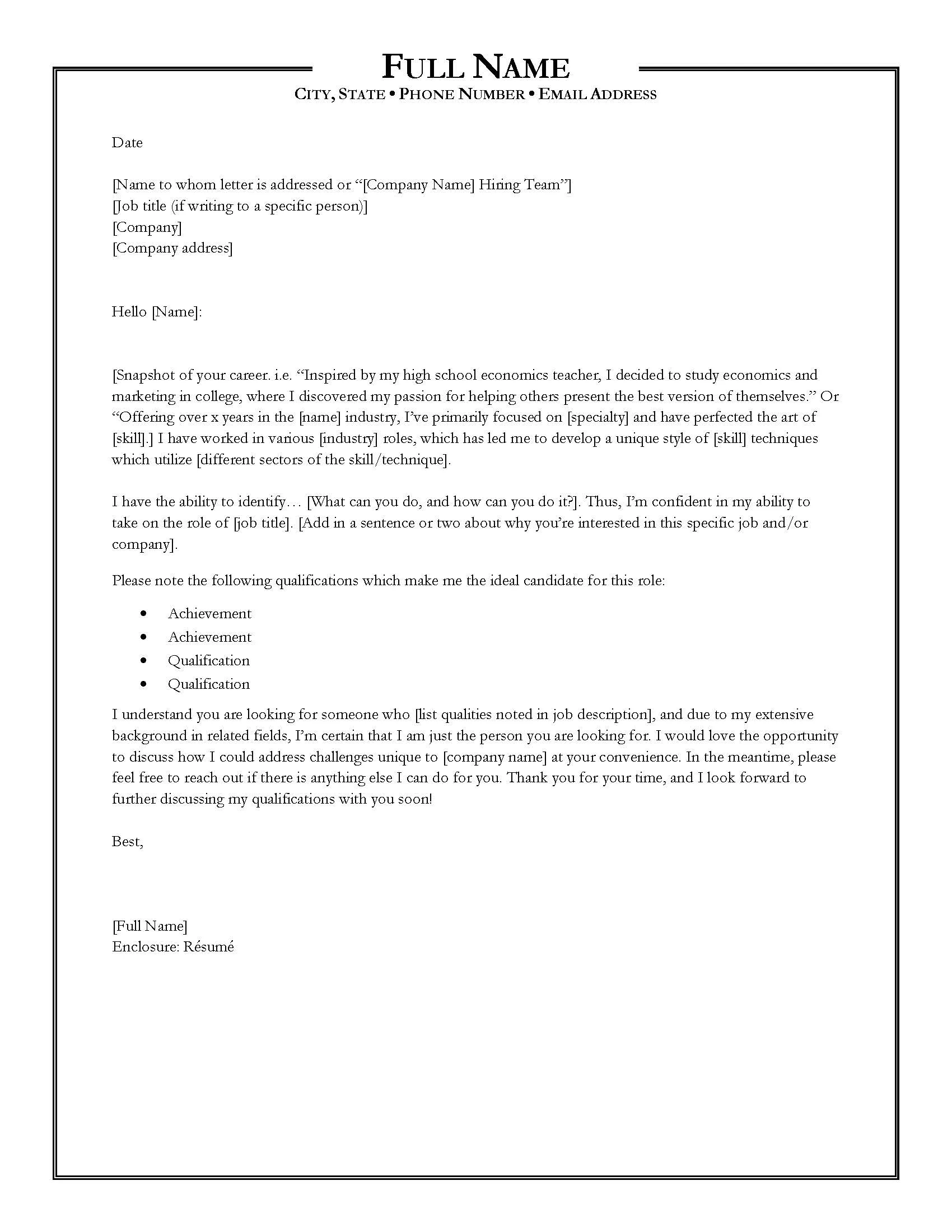
In the competitive world of job applications, a compelling cover letter is your key to unlocking the door to your dream career. It’s more than just a formality; it’s your first chance to make a lasting impression on a potential employer. A well-crafted cover letter complements your resume, providing a narrative that highlights your unique qualifications, skills, and enthusiasm for the role. This comprehensive guide will walk you through the essentials of writing a winning cover letter, ensuring you stand out from the crowd and increase your chances of landing that all-important interview.
What is a Cover Letter
A cover letter is a one-page document you submit along with your resume when applying for a job. It serves as an introduction, a personal narrative, and a showcase of your suitability for the specific position. Unlike a resume, which is a factual summary of your experience and skills, a cover letter allows you to express your personality, enthusiasm, and explain why you are the perfect fit for the company and the role.
Why Cover Letters Matter
In today’s job market, cover letters are not just optional; they’re often a mandatory component of the application process. They offer a unique opportunity to make a strong first impression, demonstrating your communication skills, and showing genuine interest in the company. A well-written cover letter can significantly increase your chances of getting noticed, setting you apart from other applicants who may have similar qualifications. They provide context to your resume, allowing you to elaborate on key skills and experiences, and tailor your application to the specific requirements of the job.
Key Elements to Include in a Cover Letter

Crafting a winning cover letter requires a strategic approach, focusing on key elements that capture the reader’s attention and highlight your qualifications. Here’s a breakdown of the essential components:
Contact Information
Start with your contact details. Include your name, address, phone number, and email address. This ensures the hiring manager can easily reach you if they are interested in your application. Make sure your email address is professional and avoid using nicknames or informal language.
The Right Salutation
Address the hiring manager by name whenever possible. Research the company to find out the name of the hiring manager or the specific person you will be reporting to. If you can’t find a name, use a professional greeting, such as “Dear Hiring Manager,” or “Dear [Department Name] Team.” Avoid generic greetings like “To Whom It May Concern.”
Opening Paragraph

In the opening paragraph, state the position you are applying for and how you learned about the opportunity. Briefly mention why you are interested in the role and the company. A strong opening paragraph grabs the reader’s attention and immediately establishes your interest and enthusiasm.
Highlight Your Skills and Experiences
The body of your cover letter is where you showcase your qualifications and skills. Identify the key requirements of the job and provide specific examples of your experience and accomplishments that demonstrate how you meet those requirements. Use action verbs to describe your achievements and quantify your results whenever possible. For example, instead of saying “Managed social media,” say “Increased social media engagement by 30% through targeted content and strategic campaigns.”
Tailoring to the Job Description
Customization is key. Tailor your cover letter to the specific job description. Highlight the skills and experiences that are most relevant to the position and the company’s needs. Avoid using a generic cover letter; instead, carefully review the job posting and address each of the required qualifications and expectations.
Showcasing Your Personality

While professionalism is essential, let your personality shine through. Express your passion for the industry or the company, and showcase your unique qualities and interests. This helps the hiring manager get a sense of who you are beyond your resume and understand if you will be a good fit for the team.
Call to Action
End your cover letter with a clear call to action. Express your interest in an interview and state your availability. Thank the hiring manager for their time and consideration. This shows you’re proactive and eager to move forward in the hiring process.
Closing and Signature
Close your cover letter with a professional closing, such as “Sincerely,” “Best regards,” or “Thank you.” Sign your cover letter, either digitally or physically if submitting a hard copy. This adds a final touch of professionalism.
Cover Letter Formatting and Design

The formatting and design of your cover letter are just as important as the content. A well-formatted cover letter is easy to read and visually appealing, leaving a positive impression on the hiring manager. Here are some key formatting guidelines:
Font and Readability
Choose a professional and easy-to-read font, such as Times New Roman, Arial, or Calibri. Use a font size of 11 or 12 points. Ensure consistent formatting throughout the document, including the font style, size, and spacing. This maintains a clean and professional look.
Length and Structure
Keep your cover letter concise, ideally one page long. Use a standard business letter format, with clear headings and paragraphs. Use white space to separate sections and make the document easy to scan. Ensure proper margins and spacing to avoid a cluttered appearance.
Proofreading and Editing

Proofread your cover letter carefully for any errors in grammar, spelling, and punctuation. Mistakes can make your application look unprofessional. Consider having a friend or family member review your cover letter to catch any mistakes you may have missed.
Common Cover Letter Mistakes to Avoid
Even the most qualified candidates can undermine their applications by making common cover letter mistakes. Knowing what to avoid is as important as knowing what to include. Here are some pitfalls to steer clear of:
Generic and Vague Content
Avoid using a generic cover letter that could be sent to any company or any role. Tailor your letter to each specific job application, highlighting the skills and experiences most relevant to the position. Vague statements do not impress potential employers.
Typos and Grammatical Errors

Typos and grammatical errors are major red flags. They demonstrate a lack of attention to detail and can make you appear unprofessional. Always proofread your cover letter carefully and use a grammar checker.
Focusing on Yourself Too Much
While it is important to highlight your skills and experience, avoid making the cover letter all about you. Focus on how you can contribute to the company and the value you can bring to the role. Shift the focus towards how you can solve their problems.
Using the Wrong Tone
The tone of your cover letter should be professional and enthusiastic. Avoid being overly casual, informal, or arrogant. Maintain a positive and confident tone throughout the document.
Cover Letter Examples and Templates
To guide you in crafting your cover letter, it is helpful to look at various examples and templates. These can provide inspiration and structure for your own application. Remember to customize the template to reflect your unique skills and experiences.
Cover Letter for Various Industries
Different industries may have varying expectations for cover letter content and format. Research industry-specific best practices to ensure your cover letter meets the standards of your field. This will also help you use the correct industry-specific jargon.
Customizing Templates
While templates provide a solid foundation, it is crucial to customize them to fit your specific needs and the job application. Tailor the content, format, and language to reflect your skills, experiences, and the requirements of the role. Make sure you put your own voice in the letter.
Writing a winning cover letter takes time and effort, but the payoff can be significant. By following these guidelines, you can create a cover letter that showcases your qualifications, highlights your personality, and increases your chances of landing an interview. Remember to always tailor your cover letter to each job application, and proofread it carefully before submitting. Good luck with your job search!