Why Cover Letters Still Matter
In a world saturated with online applications and digital resumes, you might wonder if cover letters are still relevant. The answer is a resounding yes. While your resume provides a snapshot of your experience and qualifications, a cover letter offers a crucial opportunity to showcase your personality, passion, and how you specifically align with the job and the company. It’s your chance to tell a story, explain any gaps in your resume, and demonstrate your genuine interest in the role. A well-crafted cover letter can be the deciding factor in whether your application gets noticed, setting you apart from the many other candidates vying for the same position. It provides context to your resume and allows you to highlight the skills and experiences most relevant to the specific job, making you a more compelling applicant. Not submitting a cover letter when one is requested can signal a lack of attention to detail or a lack of genuine interest, potentially leading to your application being overlooked. Therefore, a cover letter is not just a formality but a strategic tool in your job search arsenal, working to build a strong first impression.
Highlighting Your Key Skills
One of the most important functions of a cover letter is to highlight the skills that make you a great fit for the job. But simply listing your skills is not enough; you need to demonstrate them with specific examples. Carefully review the job description and identify the key skills the employer is looking for. Then, in your cover letter, provide brief but impactful examples of how you’ve used those skills in previous roles or projects. Quantify your achievements whenever possible. Instead of saying “Managed social media accounts,” you could say “Increased social media engagement by 40% through targeted content and strategic scheduling.” By providing concrete evidence of your skills, you prove to the hiring manager that you can deliver results. Tailor the skills you emphasize to match the specific requirements of each job. This shows that you’ve taken the time to understand what the employer is looking for and can deliver the value they need. Using keywords from the job description naturally within your cover letter is another strategy that helps make your application stand out.
Tailoring Your Cover Letter

A generic cover letter is a sure way to end up in the rejection pile. Employers can easily spot a form letter, and it suggests a lack of effort and a lack of genuine interest in the specific opportunity. The key to a successful cover letter is to tailor it to each job application. This means more than just changing the company name; it involves understanding the company, the role, and what the employer is looking for in a candidate. Researching the company and the job are essential steps in this process. This level of personalization shows that you’ve put in the effort to understand the company’s needs and how your skills and experience align with those needs.
Researching the Company
Before you start writing, thoroughly research the company. Visit their website, read their “About Us” page, and check out their social media presence. Look for information on their mission, values, recent news, and any specific projects they are working on. This information will help you understand the company culture and identify the key things they value. Also, research the hiring manager or the team you would be working with, if possible. Knowing who you are addressing and what their background is can inform the tone and content of your letter, helping you make a stronger connection. This research allows you to demonstrate your understanding of the company and your genuine interest in being a part of it.
Understanding the Job Description
The job description is your roadmap to a winning cover letter. Carefully dissect the job description to identify the key requirements, responsibilities, and desired skills. Highlight the keywords used in the description, and make sure you address each of these in your letter. Focus on how your experience and skills directly align with the job’s needs. Give specific examples of how you’ve demonstrated these skills in the past. If the job description mentions specific software or tools, mention your proficiency with them. This targeted approach ensures that your cover letter clearly demonstrates that you are a great fit for the role. By understanding the job description, you’re not just writing a cover letter; you’re crafting a personalized sales pitch highlighting how you can solve the company’s needs.
Structuring Your Cover Letter

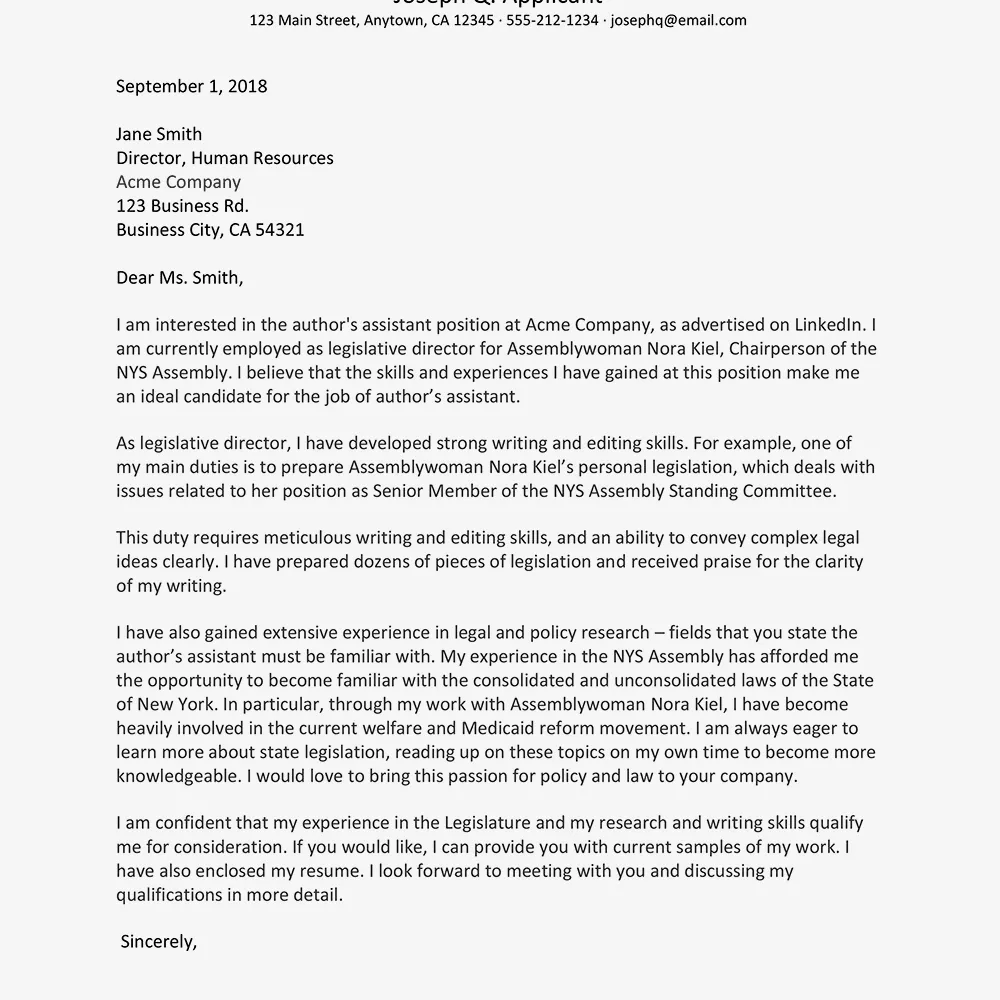
A well-structured cover letter is easy to read and quickly communicates your qualifications and interest. The structure should flow logically, making it easy for the hiring manager to understand your key points. The standard format includes a header, salutation, body paragraphs, and a closing. Each section serves a specific purpose in conveying your message effectively and persuasively. Clear organization and formatting are critical to ensure your letter is professional and easy to read. A well-structured cover letter can make a significant difference in how your application is perceived, so getting the format right is essential.
The Header Section
The header of your cover letter should include your contact information and the date. Your contact information should include your name, phone number, email address, and optionally, your LinkedIn profile URL. Ensure your email address is professional and easy to read. Then, include the date, followed by the recipient’s information, if known. This typically includes the hiring manager’s name, title, and company address. If you cannot find the hiring manager’s name, address your letter to the hiring team or the specific department you are applying to. Accurate formatting and the inclusion of all necessary details in the header sets a professional tone from the start, making a good first impression.
The Salutation
The salutation is your opening greeting. Whenever possible, address the hiring manager by name. Researching the hiring manager’s name is a small step that demonstrates your attention to detail and genuine interest. If you can’t find a specific name, use a professional greeting such as “Dear Hiring Manager,” or “Dear [Department Name] Team.” Avoid generic greetings like “To Whom It May Concern,” as they can come across as impersonal. When using a name, make sure you spell it correctly. The tone of the salutation should be professional and respectful, setting the tone for the rest of your letter. A well-chosen and correctly formatted salutation creates a positive first impression.
The Body Paragraphs

The body of your cover letter is where you make your case. This section should include three key paragraphs. The first paragraph is your introduction, where you state the position you are applying for and how you found the opportunity. Clearly state your intent and demonstrate your initial enthusiasm. The subsequent paragraphs should highlight your key skills and experiences relevant to the job. Use the job description as your guide to determine which skills to emphasize. Provide specific examples of how you’ve used these skills and achieved results. Quantify your accomplishments whenever possible. For instance, “Increased sales by 15% in one quarter.” Finally, your closing paragraph should summarize your interest in the role and company, reiterating your enthusiasm and expressing your desire for an interview. Thank the reader for their time and consideration, and include a call to action, such as “I look forward to the opportunity to discuss my qualifications further.”
The Closing
Your closing should be concise and professional. Start by expressing your gratitude for the reader’s time and consideration. Reiterate your interest in the position and the company. Include a call to action, such as “I look forward to the opportunity to discuss my qualifications further” or “Thank you for considering my application; I am eager to learn more about this opportunity.” Use a professional closing such as “Sincerely,” “Best regards,” or “Thank you.” Avoid overly casual or informal closings. Always proofread your closing carefully to ensure it’s free from errors. A strong and professional closing leaves the reader with a positive final impression.
Proofreading and Editing
Before submitting your cover letter, proofreading and editing are essential steps. Errors in grammar, spelling, and punctuation can damage your credibility. Take the time to carefully review your letter for any mistakes. Read your cover letter aloud to help catch awkward phrasing or sentences. Consider having a friend, colleague, or career counselor review your letter. They may be able to spot errors you have missed. Pay close attention to the formatting of your cover letter. Ensure it is easy to read, with clear paragraphs and appropriate spacing. Make sure that your contact information is accurate and up to date. Ensure your cover letter is free of errors. Always double-check everything, and you’ll increase the likelihood of your application making a strong impression.
Common Cover Letter Mistakes to Avoid

Avoiding common cover letter mistakes is key to presenting yourself in the best possible light. Many mistakes can undermine your application and decrease your chances of landing an interview. By being aware of the pitfalls, you can create a cover letter that effectively showcases your skills and experience. Here’s what to look out for and how to avoid some of the biggest mistakes. A well-crafted cover letter will make a positive first impression and help you stand out from other applicants.
Generic Letters
One of the most common and damaging mistakes is submitting a generic cover letter. These letters often use boilerplate phrases and fail to mention anything specific about the company or the job. A generic cover letter does not make the connection to the specific job or showcase your genuine interest in the role or the company. To avoid this, always tailor your cover letter to each job you apply for. Research the company, review the job description, and highlight the skills and experiences that are most relevant. Avoid generic opening and closing statements, and instead, craft personalized sentences that reflect your understanding of the company and the role. A customized letter shows that you’ve invested time and effort. This makes a far stronger impression than a generic template.
Typos and Grammatical Errors
Typos and grammatical errors are a significant red flag in any cover letter. They suggest a lack of attention to detail and can make you appear unprofessional. These errors can be easily avoided with careful proofreading and editing. Always proofread your cover letter multiple times. Read your cover letter aloud to help catch any awkward phrasing or grammatical mistakes. Use a spell checker and grammar checker, but don’t rely on them exclusively. Have a friend, colleague, or career counselor review your cover letter for any errors that you might have missed. Attention to detail is crucial in the workplace. Correcting these errors shows you have the ability to present yourself professionally.
Too Long

A cover letter that is too long is another common mistake. Hiring managers are often busy. They may not have the time to read lengthy cover letters. Aim for a cover letter that is concise and to the point, typically no more than one page in length. Focus on highlighting your most relevant skills and experiences. Use clear and concise language to express your points effectively. Avoid unnecessary details or rambling. Structure your cover letter with clear paragraphs and bullet points if needed, to make it easy to read. Keep in mind that the cover letter is a summary and supplement to your resume, not a full autobiography. The goal is to capture the reader’s attention and encourage them to learn more, not to overwhelm them with information. Respecting the reader’s time by being concise and providing pertinent information is one of the best ways to increase your chances of success.
The Importance of a Strong Cover Letter
In conclusion, a strong cover letter is a powerful tool in your job search. It allows you to go beyond the facts presented in your resume and convey your personality, passion, and how you specifically align with the role. A well-written cover letter can significantly increase your chances of getting noticed and securing an interview. It is your chance to make a positive first impression. By following the guidelines in this guide, you can craft a cover letter that gets results. Take the time to research the company, understand the job description, and tailor your letter to each opportunity. Proofread carefully, and be sure to avoid common mistakes. A strong cover letter will set you apart from the competition and help you make a lasting impression. Invest the time and effort to create a cover letter that showcases your skills, enthusiasm, and how you can bring value to the organization. The effort you put into writing a compelling cover letter can be a crucial factor in your job search success.