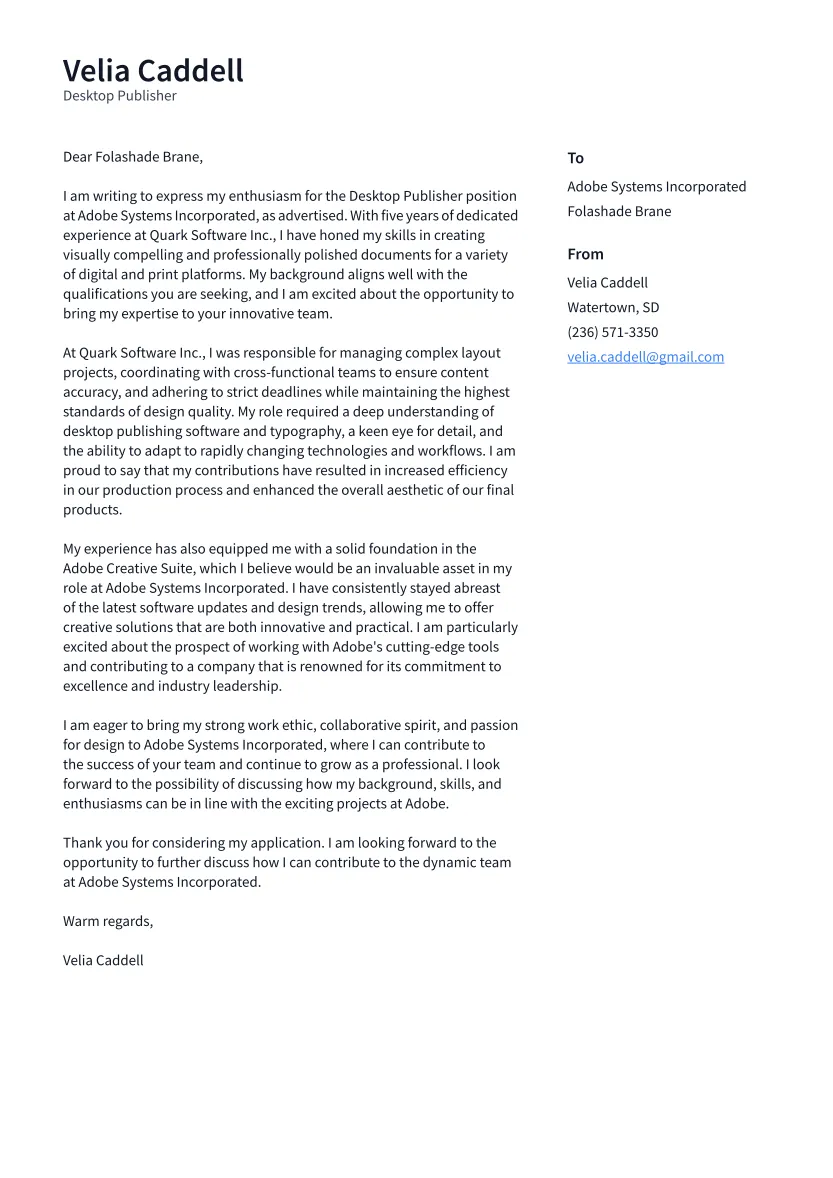
Cover Letter for Book Publishers The Ultimate Guide
In the competitive world of book publishing, a well-crafted cover letter can be the key that unlocks the door to your publishing dreams. Often overlooked, the cover letter is your first and sometimes only chance to make a lasting impression on a publisher. It’s not merely a formality; it’s a powerful tool that can significantly increase your chances of getting your manuscript read and ultimately, published. This comprehensive guide will walk you through every aspect of writing a cover letter that grabs the attention of book publishers and persuades them to take notice of your work. From the initial salutation to the final closing, we will provide you with the knowledge and strategies you need to create a cover letter that showcases your book and yourself in the best possible light. So, let’s dive in and transform your cover letter from a chore into your most compelling asset.
Understanding the Importance of a Cover Letter
The significance of a cover letter often gets underestimated. It’s not just an introductory document; it’s a strategic marketing tool designed to capture the publisher’s interest. Consider it your personal pitch, a concise summary of your book’s essence and your unique selling points. It’s the first glimpse a publisher gets of your writing style, your professionalism, and your understanding of the publishing industry. A well-written cover letter demonstrates your ability to communicate effectively, which is crucial for a successful author-publisher relationship. It sets the tone for future interactions and can be the determining factor in whether your manuscript is even considered. In short, a strong cover letter is non-negotiable.
Why a Cover Letter Matters for Publishers

Publishers receive countless submissions daily. A cover letter serves as a critical filter, helping them quickly assess whether your manuscript aligns with their publishing interests. It allows them to gauge your professionalism, your understanding of their brand, and your ability to articulate your book’s value proposition. A cover letter provides context. It tells the publisher why they should care about your book and what makes it stand out. It shows that you’ve done your homework, researched their imprint, and understand their market. In essence, your cover letter proves that you’re serious about publication and that you’re a professional who can deliver a quality product. Without a compelling cover letter, your manuscript might never even be opened.
Key Elements of a Cover Letter
Crafting an effective cover letter involves several key elements. Each component plays a crucial role in conveying your message and persuading the publisher to consider your manuscript. From the initial greeting to the final call to action, every sentence must be carefully constructed to create a positive impression. This section will break down the critical elements, providing you with the knowledge to create a cover letter that effectively captures the publisher’s attention and increases your chances of success.
Contact Information and Salutation
Begin with your contact information prominently displayed. Include your full name, address, phone number, and email address. This information should be easily accessible at the top of the letter. Next, address the publisher or editor by name if possible. Research the publishing house to find out who handles submissions for your genre. Generic greetings such as “To Whom It May Concern” or “Dear Sir/Madam” are impersonal and suggest a lack of research. Addressing the specific editor or agent shows that you’ve taken the time to learn about the publisher and their staff, which makes a positive impression. Ensure you use the correct title and spelling of the recipient’s name to demonstrate your attention to detail.
Hooking the Publisher with a Strong Opening

The opening paragraph is your first opportunity to grab the publisher’s attention. It should be concise, compelling, and immediately convey the essence of your book. Avoid generic phrases like “I am writing to submit my manuscript.” Instead, start with a hook that captures the publisher’s interest. This could be a brief summary of your book’s central theme, a captivating opening line from your manuscript, or a concise statement about the book’s unique selling proposition. State the genre and the approximate word count of your manuscript. The aim is to create intrigue and encourage the publisher to read further. A strong opening sets the stage for the rest of your letter and significantly increases the likelihood that the publisher will continue reading.
Highlighting Your Book and Its Unique Selling Points
This section is where you provide a concise summary of your book. Focus on the key elements that make your book stand out. Describe the plot, characters, and setting in a way that is both engaging and informative. Clearly articulate your book’s genre and target audience. Highlight what makes your book unique by identifying its unique selling points (USPs). This could be a fresh perspective, a unique plot twist, or a compelling protagonist. Also, explain the market potential of your book. Is there a demand for your book’s subject matter? Is it similar to other successful titles? Providing this information helps the publisher understand your book’s commercial viability. Keep it brief and focused, typically within 2-3 paragraphs.
Showcasing Your Credentials and Relevant Experience
Briefly highlight your qualifications and any experience relevant to your book. This section helps establish your credibility as an author. Include any previous publishing experience, awards, or recognition you’ve received. If your book is based on personal experience or expertise, mention this. If you have a significant social media following or a platform to promote your book, be sure to include this information. Demonstrate why you are the best person to write this book. This section should provide the publisher with confidence that you’re capable of successfully promoting your book. Tailor this section to the publisher’s needs. Be factual and succinct, providing only the information that is most relevant to your book and the publisher’s interest.
Tailoring Your Letter to the Publisher

A generic cover letter is easily identifiable and often disregarded. Tailoring your letter to each publisher you approach demonstrates that you’ve done your homework and that you genuinely want to work with them. Customization increases your chances of success by showing that you understand the publisher’s brand, their target audience, and their specific interests.
Researching the Publisher and Imprint
Before writing your cover letter, thoroughly research the publisher and the specific imprint to which you are submitting. Visit their website, read their books, and familiarize yourself with their publishing philosophy. Understand their genres, target audience, and the type of books they typically publish. Identify any specific editors or agents who specialize in your genre. This research is essential for tailoring your letter and demonstrating your knowledge of the publisher’s work. This shows that you are serious about submitting to this publisher and that you understand the kind of books they want to publish. Without this research, your cover letter may appear impersonal and lack the necessary impact.
Addressing the Publisher’s Needs and Interests
In your cover letter, address the publisher’s needs and interests directly. Explain how your book aligns with their existing catalog and why it would be a good fit for their brand. Highlight any aspects of your book that resonate with the publisher’s values or current publishing trends. Demonstrate that you understand the publisher’s market and that your book has the potential to succeed within that market. If you have identified similar books published by them, mention them and explain why your book would be a good addition to their list. Tailoring your letter to the publisher’s specific needs significantly increases the likelihood that your submission will be taken seriously.
Formatting and Presentation Tips

The format and presentation of your cover letter can significantly impact the publisher’s first impression. A well-formatted and professionally presented letter demonstrates that you are detail-oriented and serious about your work. Proper formatting can make your cover letter easier to read and more appealing to the publisher.
Font, Layout, and Readability
Choose a professional and easy-to-read font such as Times New Roman, Arial, or Calibri. Use a standard font size (11 or 12 points). Maintain a clear and clean layout with consistent margins (1 inch is standard) and spacing. Use single spacing within paragraphs and double spacing between paragraphs. Avoid large blocks of text. Break up your text into short paragraphs to improve readability. Use bullet points when appropriate to highlight key information. Ensure that your letter is well-organized and easy to navigate. A well-formatted cover letter shows that you are detail-oriented and respect the publisher’s time.
Proofreading and Editing for a Polished Finish
Proofreading and editing are crucial for ensuring your cover letter is free of errors. Typos, grammatical errors, and spelling mistakes can undermine your credibility and make you appear unprofessional. Carefully proofread your letter multiple times. Use a grammar checker and a spell checker to identify any potential issues. Consider having a friend, family member, or professional editor review your letter for clarity, accuracy, and style. A polished cover letter demonstrates your attention to detail and commitment to quality. A flawlessly written cover letter enhances your chances of making a positive impression.
Call to Action and Closing
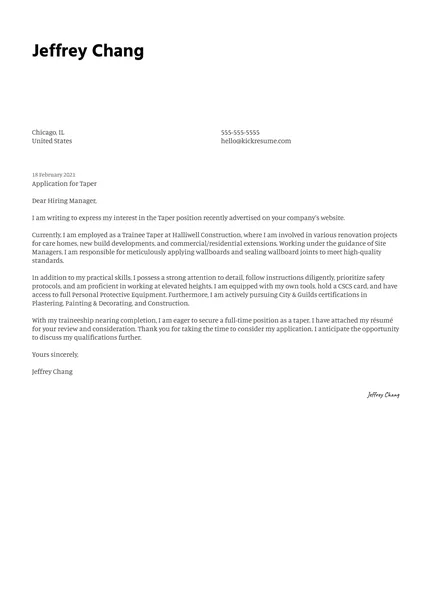
The closing of your cover letter is your final opportunity to leave a lasting impression. A clear and confident closing can encourage the publisher to take the next step and request your manuscript.
Expressing Enthusiasm and Next Steps
Reiterate your enthusiasm for the opportunity to work with the publisher. State your desire to have your manuscript considered and express your willingness to provide additional materials, such as the full manuscript, a synopsis, or sample chapters. Indicate how the publisher can contact you. Thank the publisher for their time and consideration. Close with a professional sign-off, such as “Sincerely” or “Best regards,” followed by your full name.
Common Mistakes to Avoid
Several common mistakes can undermine your cover letter. Avoiding these pitfalls will significantly increase your chances of success. Being aware of these mistakes and taking steps to avoid them can make a difference in how the publisher views your submission.
Generic Letters and Lack of Research

Sending a generic cover letter is a sure way to get your submission rejected. A generic letter indicates that you have not taken the time to research the publisher or tailor your letter to their specific needs. Always personalize your cover letter to show that you understand the publisher’s brand, their target audience, and the type of books they typically publish. Research the publisher and use the correct contact information and address the specific editor or agent by name. A lack of personalization can signal that you are not serious about publishing with this specific publisher. Instead of using the same letter for every submission, you must customize each one to the publisher’s needs.
Overly Long or Rambling Content
Publishers are busy. They do not have time to read lengthy, rambling cover letters. Keep your cover letter concise and to the point. Aim for one page, or approximately 300-400 words. Avoid unnecessary details and extraneous information. Focus on the most important aspects of your book and your qualifications. A well-written, concise cover letter demonstrates that you respect the publisher’s time. Be clear, focused, and get straight to the point. Always remember that your cover letter should be clear and provide the essential information that a publisher needs to consider your manuscript.
Ignoring Submission Guidelines
Publishers have specific guidelines for submissions. Ignoring these guidelines can be a major red flag. Before submitting your cover letter and manuscript, carefully review the publisher’s submission guidelines. Pay close attention to their preferred format, font, and word count. Ensure that your cover letter adheres to their specific requirements. Failing to follow the submission guidelines may result in an immediate rejection of your manuscript. Paying attention to the publisher’s requirements demonstrates your professionalism and respect for their processes.
Final Checklist Before Sending
Before submitting your cover letter, use a final checklist to ensure that you have covered all the essential elements. This will reduce errors and increase your chances of a successful submission. The checklist is a way to ensure that everything is properly done before you send the document to the publisher.
- Have you addressed the correct person by name?
- Does your opening paragraph grab the publisher’s attention?
- Have you clearly summarized your book and its unique selling points?
- Have you highlighted your credentials and relevant experience?
- Have you tailored the letter to the specific publisher?
- Is your formatting professional and easy to read?
- Have you proofread and edited your letter carefully?
- Have you included a clear call to action?
- Have you followed the publisher’s submission guidelines?
- Is your contact information up-to-date and accurate?
Writing a compelling cover letter for a book publisher is a crucial step in the publishing process. By following the guidelines outlined in this guide, you can create a cover letter that grabs the publisher’s attention, showcases your book’s strengths, and increases your chances of getting published. Remember to tailor your letter to each publisher, highlight your book’s unique selling points, and proofread carefully before submitting. Good luck with your submissions!