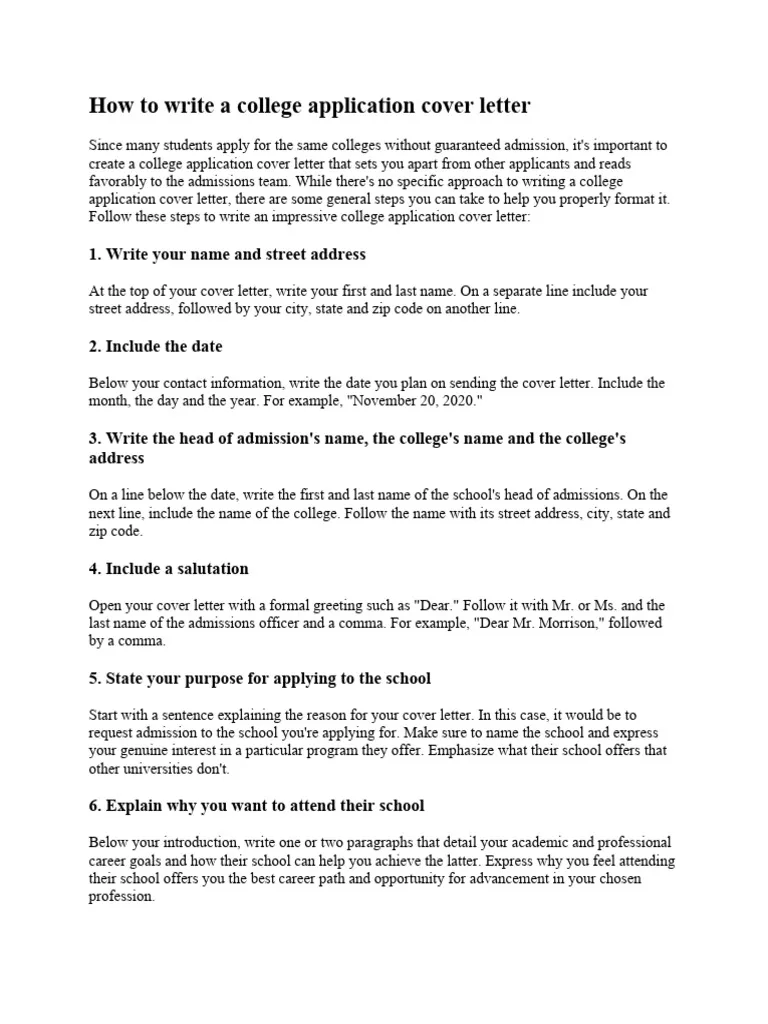
What is a Cover Letter
A cover letter is a crucial document that accompanies your resume when applying for a job. It serves as your introduction to a potential employer, providing a more detailed and personalized view of your qualifications and expressing your interest in the specific position. Unlike a resume, which is a factual summary of your experience and skills, a cover letter allows you to showcase your personality, explain your motivations, and demonstrate why you are a perfect fit for the company and the role. It’s your chance to make a strong first impression and persuade the hiring manager to review your resume more closely.
Why Cover Letters Matter
In today’s competitive job market, a well-crafted cover letter can significantly increase your chances of landing an interview. It’s an opportunity to differentiate yourself from other applicants by highlighting your unique skills, experiences, and enthusiasm for the job. Many employers consider cover letters as essential as resumes, using them to assess a candidate’s communication skills, attention to detail, and understanding of the company’s needs. A compelling cover letter can demonstrate your genuine interest in the role and make a lasting positive impression on the hiring manager.
Key Components of a Cover Letter

A well-structured cover letter follows a standard format, making it easy for the hiring manager to read and understand. Each section plays a vital role in conveying your message effectively. These include the header, greeting, body paragraphs, and closing. Each part has specific information to convey and they work together to create an impactful cover letter that highlights your qualifications and interests in the role.
Header Section
The header section of your cover letter contains essential contact information for both you and the recipient. This ensures that the hiring manager knows who you are and how to reach you. Proper formatting is also very important to keep it easy to read. Here’s a breakdown of the key elements of your header.
Your Contact Information
Start with your full name, followed by your phone number and professional email address. Consider including a link to your LinkedIn profile or online portfolio if you have one. Make sure your email address is professional and appropriate. Avoid using nicknames or unprofessional language in your email address.
Date

Include the date you are writing the cover letter. This is a simple addition to ensure your application looks good. The date should be formatted according to the standard in the region or country you are applying in. Make sure the formatting is correct so that the person reading knows when your application was made.
Recipient’s Information
If possible, address the cover letter to a specific person. Use the hiring manager’s name, or the name of someone in the company that you know. This shows that you’ve taken the time to research the company and that you are paying attention to detail. If you’re unable to find a specific name, use a professional title like ‘Hiring Manager’ or the department name.
Greeting
The greeting sets the tone for your cover letter. Use a formal greeting like ‘Dear Mr./Ms./Mx. Last Name’ if you know the recipient’s name. If you don’t know the name, use a more general but still professional greeting like ‘Dear Hiring Manager’ or ‘Dear [Company Name] Hiring Team’. Avoid informal greetings like ‘To Whom It May Concern’ as they can seem impersonal.
Body Paragraphs

The body paragraphs are the core of your cover letter. This is where you demonstrate your qualifications, highlight your skills, and express your interest in the role and the company. Each paragraph serves a specific purpose. It’s important to keep each section brief and concise. Break down these components for your cover letter in order.
First Paragraph Hooking the Reader
Start with a strong opening that grabs the reader’s attention. Mention the specific position you’re applying for and where you found the job posting. Then, briefly state why you are interested in the role and the company. Consider including a statement that highlights your enthusiasm for the opportunity or a key skill that aligns with the job requirements.
Second Paragraph Highlighting Your Skills
In the second paragraph, provide examples of your skills and experience that directly relate to the job requirements. Refer to the job description and identify the key skills and qualifications the employer is looking for. Use specific examples from your previous roles or projects to demonstrate how you’ve successfully applied these skills. Quantify your achievements whenever possible to show the impact you’ve made.
Third Paragraph Showcasing Your Value

In the third paragraph, explain why you are a good fit for the company and the role. Share what you know about the company’s mission, values, or recent achievements. Explain how your skills and experiences align with the company’s goals. Show how your values align with theirs. Emphasize what you can bring to the company and how you can contribute to its success.
Call to Action Requesting an Interview
End your cover letter with a clear call to action. Express your interest in an interview and thank the hiring manager for their time and consideration. Reiterate your contact information or how you can be reached. Make it easy for the employer to contact you. This shows enthusiasm and helps to move the application process forward.
Closing
The closing is where you formally end your cover letter. This section includes a professional closing phrase and your signature. Here’s a more detailed look at how to close a cover letter effectively.
Formal Closing

Use a professional closing phrase such as ‘Sincerely’, ‘Best regards’, or ‘Thank you’. Avoid casual closings like ‘Cheers’ or ‘Best’. Select a closing phrase that is appropriate for the company and the role you are applying for. Ensure that the closing phrase matches the tone of your cover letter.
Your Signature
If you are submitting a digital cover letter, type your full name beneath the closing phrase. If you are printing the cover letter, leave space for your handwritten signature above your typed name. Your signature adds a personal touch and reinforces the professionalism of your cover letter.
Formatting & Design Tips
Proper formatting and design are essential for creating a cover letter that is easy to read and visually appealing. A well-formatted cover letter shows that you pay attention to detail and respect the reader’s time. Consider these important formatting elements.
Font and Font Size

Choose a professional and readable font like Times New Roman, Arial, or Calibri. Keep the font size between 10 and 12 points. Make sure the font size is readable. This ensures the text is easy on the eyes and contributes to the overall presentation of your cover letter. Using a standard font and size makes your cover letter professional and simple.
Margins & Spacing
Use 1-inch margins on all sides of the page. Double-space between paragraphs and single-space within paragraphs. This creates a clean and organized layout that makes your cover letter easy to read. Avoid overly large margins or excessive spacing, as this can make your cover letter look unbalanced and unprofessional.
Proofreading Your Cover Letter
Proofreading is critical for ensuring your cover letter is polished and error-free. A cover letter filled with typos, grammatical errors, and inconsistencies can create a negative impression on the hiring manager. Take the time to proofread your cover letter carefully. Read it multiple times, and consider having a friend or family member review it as well.
Common Mistakes to Avoid
Avoid these common mistakes when writing your cover letter. These mistakes can hurt your chances of getting an interview. They may also make your cover letter look uninspired, so keep them in mind while writing.
- Using generic or template language
- Including irrelevant information
- Making grammatical errors or typos
- Focusing on what you want, rather than what you can offer the employer
- Exceeding one page in length
- Failing to tailor the cover letter to the specific job and company
- Using an unprofessional email address
Cover Letter Examples
Reviewing cover letter examples can provide you with valuable insights and inspiration. You can learn how to structure your own cover letter effectively by studying the language, tone, and formatting of successful examples. Look for examples that are relevant to your field or the specific job you’re applying for. Pay attention to how the applicants highlight their skills and experience, and how they tailor their cover letters to each specific role.
A well-written cover letter is a key component of a successful job application. By following these guidelines and paying attention to detail, you can create a cover letter that showcases your qualifications and helps you land your dream job. Remember to customize each cover letter for the specific job and company you’re applying for. Good luck with your job search.