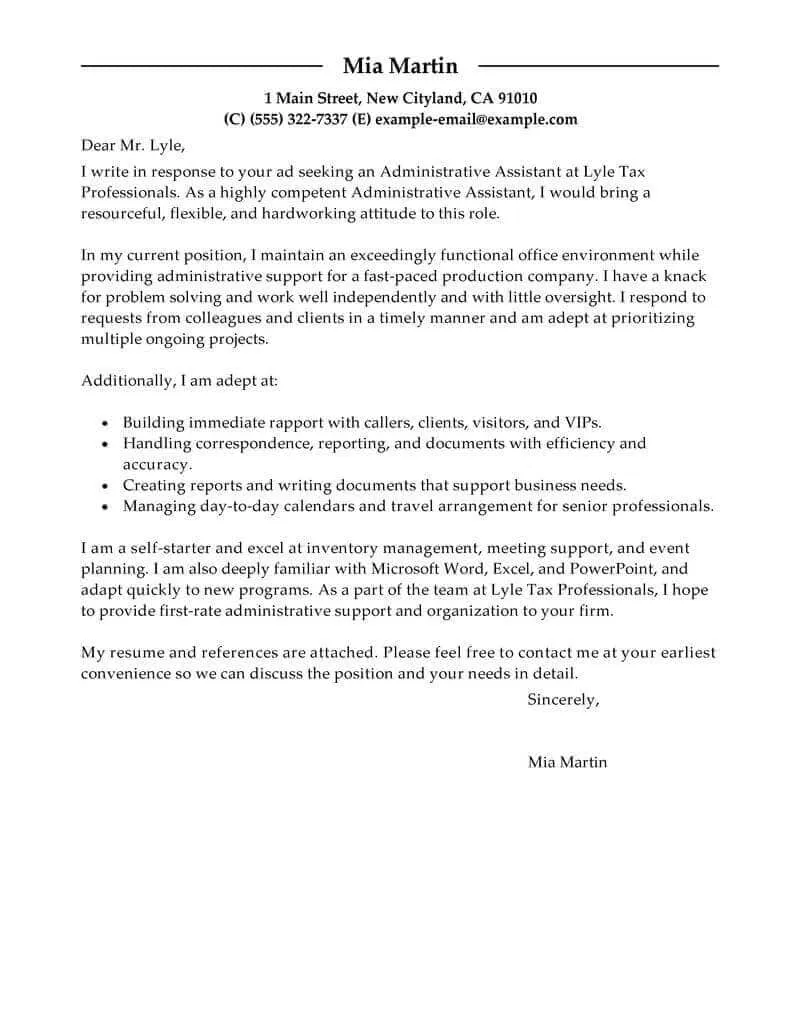
What is a Cover Letter?
A cover letter is a crucial document that accompanies your curriculum vitae (CV) or resume when applying for a job. It serves as your introduction to a potential employer, offering a personalized overview of your qualifications, skills, and experience. Unlike a CV, which provides a factual account of your professional background, a cover letter allows you to articulate your interest in the specific role and company, demonstrating why you are a strong fit and what you can bring to the table. It’s your chance to make a compelling first impression and persuade the hiring manager to read your CV and consider your application. A well-crafted cover letter can significantly increase your chances of getting an interview, while a poorly written one can lead to immediate rejection, regardless of your qualifications.
Why a Cover Letter is Important
Cover letters are important because they provide context and personality to your application. A CV lists your qualifications, but a cover letter explains them, showing how your skills and experience align with the job requirements and the company’s values. It allows you to highlight key achievements and demonstrate your enthusiasm for the role, making your application more memorable. Furthermore, a cover letter provides an opportunity to address any potential gaps in your CV or explain unique circumstances. Many employers consider a cover letter a mandatory part of the application process, as it reflects your communication skills and attention to detail. Ignoring this element can signal a lack of interest or professionalism, potentially disqualifying you from consideration. Ultimately, a strong cover letter transforms a list of qualifications into a compelling narrative, setting you apart from other candidates.
Top 5 Cover Letter Tips

Crafting an effective cover letter requires careful planning and execution. Here are the top 5 tips to help you create a standout cover letter and increase your chances of securing an interview.
Tip 1 Research the Company and the Role
Before you begin writing, thoroughly research the company and the specific role you’re applying for. Understand the company’s mission, values, and recent activities. Review the job description carefully, identifying the key skills and qualifications the employer is seeking. This research will inform your cover letter, allowing you to tailor your content to the company’s needs and demonstrate a genuine interest. By referencing specific projects, initiatives, or values, you can show that you’ve taken the time to understand their business. This personalized approach makes your application more compelling and positions you as a candidate who is genuinely interested in contributing to their success. Use the company’s website, social media, and news articles to gather information.
Tip 2 Tailor Your Letter
Never send a generic cover letter. Each cover letter should be customized to the specific job and company. Avoid using a template without making significant changes. Highlight the skills, experiences, and accomplishments that are most relevant to the job description. Use the same keywords and phrases that are used in the job posting. Show how your qualifications align with the employer’s needs. If the job description emphasizes teamwork, provide examples of your collaborative experiences. If the role requires strong communication skills, provide examples of your experience. Tailoring your letter shows that you have taken the time to understand the role and the company, making you a more attractive candidate.
Tip 3 Highlight Relevant Skills and Experiences

In your cover letter, emphasize the skills and experiences that align with the job requirements. Review the job description and identify the key qualifications the employer is looking for. Then, select the most relevant accomplishments and experiences from your CV. Instead of simply listing your skills, provide concrete examples that demonstrate how you’ve used those skills in the past. For instance, if the job requires project management skills, describe a project you managed, the challenges you faced, and how you successfully resolved them. This approach, known as the STAR method (Situation, Task, Action, Result), allows you to showcase your abilities through specific, measurable outcomes. By providing detailed examples, you prove your capabilities and show the hiring manager that you can deliver results.
Tip 4 Quantify Your Accomplishments
Wherever possible, quantify your accomplishments. Use numbers and metrics to demonstrate the impact of your work. Instead of saying “Improved sales,” state “Increased sales by 15% in one quarter.” Instead of saying “Managed a team,” state “Managed a team of 10 employees, resulting in a 10% increase in productivity.” Quantifying your achievements provides concrete evidence of your capabilities, making your cover letter more persuasive and memorable. This helps the hiring manager see the tangible value you would bring to the role. Focus on quantifiable results, which shows the value you add to the company. Use data to measure your achievements whenever it’s possible, this gives a clear view of your skills.
Tip 5 Proofread Carefully
Proofreading is a crucial step in the cover letter writing process. Errors in grammar, spelling, and punctuation can create a negative impression, suggesting a lack of attention to detail. Always proofread your cover letter carefully before submitting it. Use a spell checker, but don’t rely on it entirely, as it won’t catch all errors. Read your letter aloud to catch awkward phrasing and ensure the flow is correct. Ask a friend, family member, or career advisor to review your letter. A second pair of eyes can often spot mistakes that you might miss. A polished cover letter is a sign of professionalism, while a letter filled with errors can undermine your credibility and damage your chances of getting the job.
Cover Letter Formatting

Formatting is important in cover letters because it impacts readability and professionalism. Use a professional font like Arial, Calibri, or Times New Roman. Keep the font size between 10 and 12 points. Use single spacing with a blank line between paragraphs. Align your text to the left, avoiding justification. Include your contact information at the top, followed by the date and the hiring manager’s name and title. Keep your cover letter concise, ideally no more than one page. A well-formatted cover letter is easy to read and makes a positive first impression. Formatting also ensures that the information is presented in a structured manner, improving the reader’s experience.
Essential Cover Letter Elements
A well-structured cover letter generally includes these essential elements: a header with your contact information; a salutation that addresses the hiring manager by name (if possible); an opening paragraph that states the purpose of the letter and the position you’re applying for; one or two body paragraphs that highlight your relevant skills and experiences, and quantify your accomplishments; a closing paragraph that expresses your enthusiasm and thanks the reader for their time; and a professional closing, such as “Sincerely” or “Best regards.” Every part of the letter should have a specific purpose. Be sure to keep your letter concise and focused on demonstrating your value to the company.
Cover Letter Conclusion
Your cover letter conclusion is a chance to reiterate your interest and call to action. Restate your enthusiasm for the position and the company. Express your confidence that your skills and experiences align with their needs. Thank the hiring manager for their time and consideration. Include a call to action, such as stating that you look forward to the opportunity to discuss your qualifications further in an interview. Make sure your closing is professional and polite, leaving a positive final impression. A strong conclusion summarizes your main points and reinforces your suitability for the role, encouraging the hiring manager to take the next step.
Tips for Success

Follow these additional tips to make your cover letter stand out. Be authentic and let your personality shine through. Avoid clichés and generic phrases. Use active voice and strong verbs to create engaging content. Proofread carefully and ask for feedback. Tailor each cover letter to the specific job and company. Keep your letter concise and easy to read. By following these tips, you can create a cover letter that highlights your skills, showcases your enthusiasm, and increases your chances of landing an interview. Creating a great cover letter takes effort, but it is a worthwhile investment to make sure you get the job.