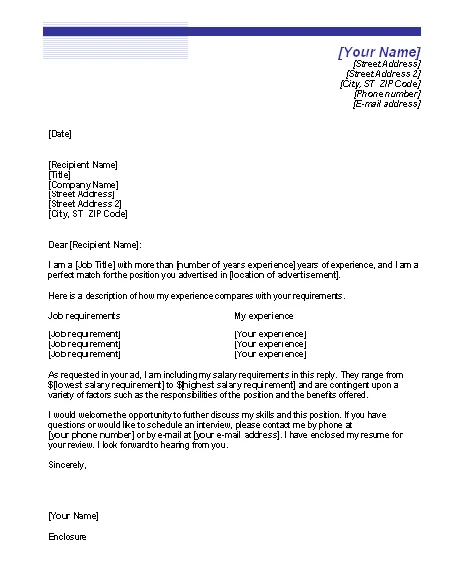
What is a Cover Letter
A cover letter is a crucial document that accompanies your resume when applying for a job. It serves as your introduction to a potential employer, providing an opportunity to showcase your personality, skills, and enthusiasm for the position. Unlike a resume, which offers a factual summary of your experience, a cover letter allows you to tell a story, explaining why you are the ideal candidate for the specific role and company. It’s your chance to make a strong first impression and convince the hiring manager to read your resume more closely. A well-crafted cover letter can significantly increase your chances of landing an interview.
The Importance of a Cover Letter
The importance of a cover letter cannot be overstated. It’s not just a formality; it’s your first opportunity to demonstrate your communication skills and your understanding of the job requirements. It allows you to highlight specific achievements and experiences that are most relevant to the position, going beyond the basic information presented in your resume. In today’s competitive job market, a compelling cover letter can set you apart from other applicants, showing that you’ve put in the effort to understand the company and the role, and that you’re genuinely interested in joining their team. Moreover, a cover letter provides context to your resume, explaining gaps in employment or career changes, and demonstrating how your skills align with the employer’s needs. Failing to include a well-written cover letter might mean your application is overlooked, as it suggests a lack of attention to detail and a lack of genuine interest.
Cover Letter Structure [Key Sections]

Structuring your cover letter properly is essential for making a positive impression. A well-organized cover letter is easy to read and allows the hiring manager to quickly grasp your key qualifications. The standard structure includes several key sections, each with a specific purpose. Adhering to a consistent format helps create a professional and polished document. Following these guidelines makes it easier for the recruiter to scan your letter and find the information they need, increasing the likelihood that your application will be considered seriously.
Header Section
The header section of your cover letter sets the tone for the entire document. This section includes your contact information, the date, and the recipient’s information. Ensuring accuracy and professionalism in the header helps to establish credibility and shows attention to detail. This is the first thing the hiring manager sees, so it’s crucial to make a good first impression and demonstrate professionalism right from the start. It also ensures the employer can easily contact you.
Your Contact Information
At the top of your cover letter, include your full name, address, phone number, and email address. Use a professional email address; avoid informal usernames. This information should be clearly presented, making it easy for the employer to contact you. Make sure your contact information is up-to-date and accurate to avoid missing any important communications regarding the job opportunity. Your header should also be consistent with the contact information on your resume. The goal is to be accessible and professional.
Date and Recipient’s Information

Below your contact information, include the date and the recipient’s details. Begin with the date you are submitting the cover letter. Then, include the hiring manager’s name, title, and the company’s address if you have it. If you are unable to find the hiring manager’s name, use a general salutation like ‘Dear Hiring Manager.’ Researching the hiring manager’s name can demonstrate your initiative and make your letter more personal, which can increase its impact.
Salutation
The salutation is the greeting that begins your cover letter. Aim to address the hiring manager by name, using ‘Dear Mr./Ms./Mx. Last Name’ whenever possible. This personal touch shows you’ve done your research and gives a more direct appeal. If the name of the hiring manager is not available, use a professional and appropriate salutation like ‘Dear Hiring Manager,’ avoiding generic greetings like ‘To Whom It May Concern.’ The choice of salutation sets the tone for the rest of the letter. Make sure you address the hiring manager using the correct title and spelling to show professionalism.
Body Section [Crafting Your Message]
The body of your cover letter is where you make your case for why you are the best candidate. This section should be concise, compelling, and tailored to the specific job you’re applying for. It’s not enough to simply reiterate the contents of your resume; the body of your letter should tell a story, connecting your skills and experiences to the requirements of the job. Use this space to demonstrate your understanding of the company, show your enthusiasm, and make a strong connection with the hiring manager. The body section can be divided into a few key paragraphs, each with a specific focus.
First Paragraph [Grab Attention]

The first paragraph is your chance to grab the reader’s attention. Start with a strong statement that immediately communicates your interest in the position and the company. You can mention how you learned about the opportunity (e.g., ‘I am writing to express my interest in the Marketing Manager position advertised on LinkedIn.’). Briefly state why you are a good fit, highlighting one or two key skills or experiences relevant to the job. The goal is to create an initial positive impression and encourage the reader to continue. Avoid generic opening lines; instead, show genuine enthusiasm and provide a reason for the reader to be interested in learning more about you.
Highlight Relevant Skills and Experience
In the subsequent paragraphs, expand on your skills and experience, emphasizing those most relevant to the job requirements. This is where you demonstrate your qualifications by providing specific examples of how you have succeeded in past roles. Use the job description as a guide, tailoring your examples to match the required skills and experiences. Quantify your achievements whenever possible, using numbers and data to illustrate your impact. Focus on what you can bring to the company and how you can contribute to their goals. Be clear, concise, and always provide evidence to support your claims.
Quantify Achievements with Numbers
Whenever possible, quantify your achievements to demonstrate your impact. Use numbers and data to illustrate your accomplishments, such as ‘Increased sales by 15%,’ ‘Managed a budget of $1 million,’ or ‘Reduced customer complaints by 20%.’ This provides concrete evidence of your skills and abilities, making your claims more credible and persuasive. By using measurable results, you show the employer the tangible value you can bring to their organization. Quantifying your achievements helps to distinguish you from other candidates and highlights your specific contributions to previous employers.
Explain Your Motivation for the Role

Show the employer why you are interested in this specific role and company. Explain what attracts you to the position and why you are a good fit for their culture. Discuss what excites you about the opportunity and how your goals align with the company’s mission and values. Be genuine and avoid generic statements; demonstrate that you’ve researched the company and understand their needs. Highlighting your genuine interest helps the hiring manager see your potential and your commitment to the role, indicating you are likely to be a long-term employee. Demonstrate your excitement.
Use Keywords to Match the Job Description
Carefully review the job description and incorporate relevant keywords throughout your cover letter. This helps your application pass through applicant tracking systems (ATS) and ensures that the hiring manager quickly recognizes your qualifications. Use the same terminology and phrases that the employer uses in their job posting. This will show that you have a clear understanding of the job requirements. Avoid keyword stuffing; instead, seamlessly integrate keywords into your sentences, making them sound natural and relevant. Tailor your cover letter to each job application by identifying the most important keywords from the description.
Closing Paragraph [Call to Action]
The closing paragraph is your final opportunity to make a lasting impression. It should summarize your key qualifications and reiterate your interest in the position. Include a clear call to action, such as expressing your availability for an interview and providing your contact information again. The goal is to encourage the hiring manager to take the next step. Thank the employer for their time and consideration. A well-crafted closing paragraph leaves a professional and positive final impression. Make sure you use a clear call to action, such as an offer to provide further information.
Express Enthusiasm

Reiterate your enthusiasm for the role and the company in your closing paragraph. Let the hiring manager know that you are excited about the opportunity and confident in your ability to contribute to the team. This is also an opportunity to highlight any specific aspects of the job or the company that particularly interest you. Demonstrating your genuine excitement can leave a lasting impression and increase the chances of receiving an interview invitation. This last chance to show your interest should be very impactful.
Thank the Employer
Always thank the employer for their time and consideration in your closing paragraph. Expressing gratitude is a sign of professionalism and respect. This simple act can positively influence the hiring manager’s perception of you. By showing appreciation, you make a positive final impression, demonstrating your courtesy and acknowledging their investment in reviewing your application. This is a standard practice that should always be included in your letter, regardless of your level of experience.
Formal Closing and Signature
End your cover letter with a professional closing, such as ‘Sincerely,’ ‘Best regards,’ or ‘Yours sincerely.’ Follow this with your typed name. If submitting a hard copy, leave space for your handwritten signature above your typed name. This formal closing adds a touch of professionalism and indicates the end of your letter. This ensures that the letter looks professional and is correctly formatted. The signature is very important, and shows that you are putting time and effort into your application. The tone should remain professional throughout the letter, so choosing an appropriate closing is important.
Proofreading and Formatting Tips

Before submitting your cover letter, carefully proofread it and ensure that it is formatted correctly. Errors and poor formatting can negatively impact your chances of getting an interview, so it is important to invest time to ensure that your cover letter is as polished as possible. These are important steps to ensure your application is viewed in the best light possible. Proper proofreading shows attention to detail. Carefully formatting your letter is necessary for establishing a professional appearance. Remember that the cover letter is your chance to shine and showcase your skills.
Formatting Your Cover Letter
Use a clear and professional font such as Times New Roman, Arial, or Calibri. Keep the font size between 10 and 12 points for readability. Use single spacing within paragraphs and double spacing between paragraphs. Make use of white space to improve readability. Maintain a consistent style throughout the document, avoiding unnecessary formatting elements. Ensure your cover letter is easy to read, professional-looking, and formatted consistently. Keep your document brief; aim for no more than one page. Maintain a professional and structured layout. A well-formatted cover letter reflects your professionalism and attention to detail.
Proofread for Errors
Thoroughly proofread your cover letter for any grammatical errors, typos, or punctuation mistakes. Use a spell checker and grammar checker, but also read the letter carefully yourself, as these tools may not catch all errors. It’s also a good idea to have someone else proofread your cover letter. Proofreading ensures that your application is free of mistakes. Mistakes can reduce your credibility and undermine the overall impact of your letter. Always take the time to proofread your cover letter. Check everything, and make sure that the tone of the letter is consistent and that all the information is accurate.
Common Cover Letter Mistakes [Avoid These]
Avoiding common mistakes in your cover letter is just as important as including the right information. Being aware of these pitfalls can help you craft a stronger, more effective letter. These common errors can significantly damage your chances of being selected for an interview. Pay close attention to detail and ensure that your cover letter is free of these common mistakes. By avoiding these errors, you show respect for the hiring manager’s time and demonstrate your professionalism. Always be sure that you tailor your cover letter to each application, as this is key for standing out.
Generic Cover Letters
Avoid sending generic cover letters that could be used for any job. Tailor each cover letter to the specific position and company you’re applying to. Address the hiring manager by name and highlight skills and experiences that directly relate to the job description. Generic letters are easily identified, showing a lack of genuine interest and effort. Always personalize your cover letter to make a strong connection with the employer and convince them you’re genuinely interested in the specific role. Make sure that your cover letter addresses the specific needs of the job, to ensure it is considered by the hiring manager.
Typos and Grammatical Errors
Always proofread your cover letter carefully for any typos, grammatical errors, or punctuation mistakes. These errors can make you appear unprofessional and careless. Make sure your cover letter is polished and error-free. A poorly written cover letter can undermine your credibility and make it difficult for the hiring manager to take you seriously. Use a spell checker and grammar checker, and have someone else review your letter. This increases the chances that your letter is free of any errors.
Unprofessional Tone
Maintain a professional and respectful tone throughout your cover letter. Avoid slang, jargon, and overly casual language. Use formal language and maintain a tone that reflects the seriousness of your application. Your goal is to impress the hiring manager and demonstrate your professionalism. Make sure you use appropriate language throughout the letter. Keep the language formal. A cover letter with the wrong tone could be interpreted as unprofessional. Keep your tone formal and professional.
Cover Letter Examples
Reviewing cover letter examples can provide valuable guidance and inspiration. These examples can show you how to structure your letter, highlight your skills, and present yourself in the most favorable light. These examples will help you write your cover letter. Use these examples as a starting point, tailoring them to your own experiences and the specific job you’re applying for. A good cover letter example is one that presents information in an organized and accessible way. Remember, each cover letter should be tailored to the role and company you are applying to.
Example 1 [Entry-Level Position]
For an entry-level position, your cover letter should focus on your education, internships, and any relevant coursework or projects. Highlight transferable skills, such as communication, teamwork, and problem-solving. Demonstrate your enthusiasm for the role and the company. If you have limited work experience, emphasize your skills and demonstrate why you’re a good candidate. Remember to make your letter personal and explain your interest. The entry-level letter should highlight your education, transferable skills, and enthusiasm. Try to find examples for similar positions to learn how to best tailor your skills.
Example 2 [Experienced Professional]
For experienced professionals, your cover letter should focus on your relevant work history, accomplishments, and quantifiable results. Highlight specific achievements and how you have made a positive impact in previous roles. Tailor your letter to match the requirements of the job description. Use keywords and examples to show your skills. Your cover letter for an experienced professional should focus on your past achievements and quantifiable results. Remember to use data and specific examples to make your application shine. Highlight your achievements.
Cover Letter Template [Customize Your Own]
Create your own cover letter template to streamline your job application process. This template can serve as a framework, allowing you to easily customize your cover letter for each job. Start with a basic structure that includes the header, salutation, body paragraphs, closing, and signature. Populate the template with placeholders for your personal information, the hiring manager’s details, and the job title. Having a template will save you time and ensure consistency in your applications. Customizing a cover letter template for each job allows you to focus on tailoring the content to highlight the skills and experiences most relevant to the specific role. Create your template by focusing on a basic structure.