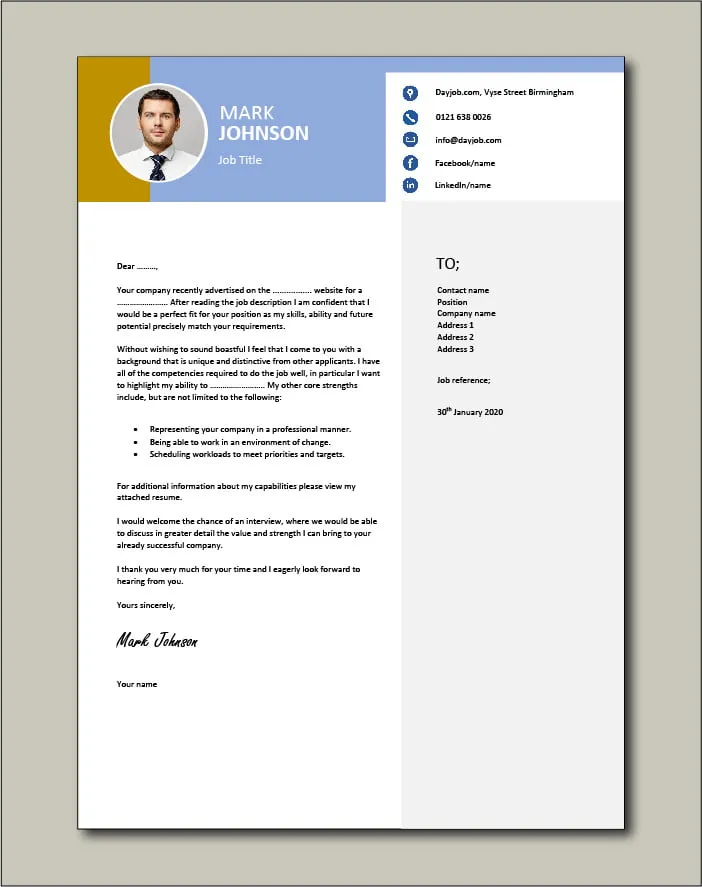
What is a CV and Cover Letter
A Curriculum Vitae (CV) and a cover letter are two essential documents in the job application process. They work together to present you as a strong candidate for a specific role. While they share the common goal of helping you secure an interview, they serve distinct purposes. Understanding their individual functions is crucial for crafting effective documents that showcase your skills and experience to potential employers. Properly prepared, these documents significantly increase your chances of landing your dream job.
Understanding the Purpose of a CV
A CV is a comprehensive document that provides a detailed overview of your professional and academic history. Its primary purpose is to present a chronological record of your qualifications, including your education, work experience, skills, and achievements. It serves as a factual representation of your career journey, allowing potential employers to quickly assess your suitability for a particular position. A well-structured CV highlights your relevant experience and demonstrates your ability to meet the requirements of the role.
Understanding the Purpose of a Cover Letter

A cover letter is a personalized document that accompanies your CV. Its purpose is to introduce yourself to the employer, express your interest in the specific job, and highlight how your skills and experience align with the role’s requirements. It’s your opportunity to showcase your personality, demonstrate your enthusiasm for the company, and explain why you are a good fit. A strong cover letter provides context to your CV and encourages the hiring manager to read it carefully. It’s a chance to make a positive first impression and differentiate yourself from other candidates.
Key Components of a CV
A well-structured CV is easy to read and provides all the necessary information in a clear and concise manner. It should include several key components to effectively showcase your qualifications. Each section plays a vital role in presenting a complete picture of your professional background and capabilities to the employer. By organizing your information strategically, you can maximize the impact of your CV and increase your chances of getting noticed.
Contact Information
This section should be at the top of your CV and include your full name, phone number, email address, and professional LinkedIn profile URL. Ensure that your contact information is accurate and up-to-date. Your email address should be professional. This information allows potential employers to easily contact you for interviews or further inquiries. Proofread this section carefully to avoid errors that could prevent them from reaching you.
Summary or Objective

A summary or objective statement provides a brief overview of your skills, experience, and career goals. A summary is best for experienced professionals, as it highlights your key accomplishments and qualifications. An objective statement is suitable for entry-level candidates or those changing careers, as it states your career aspirations. Keep this section concise and tailored to the job you are applying for. It is designed to capture the reader’s attention quickly and make them want to read on.
Work Experience
List your work experience in reverse chronological order, starting with your most recent position. Include the job title, company name, dates of employment, and a brief description of your responsibilities and accomplishments. Use action verbs to describe your contributions and quantify your achievements whenever possible. Focus on the experiences most relevant to the job you are applying for, highlighting the skills and knowledge gained in each role.
Education
Include your educational background, listing your degrees, diplomas, and certifications. Provide the name of the institution, the dates of attendance, and any honors or awards received. If you have extensive work experience, you can place the education section after your work experience. If you are a recent graduate, emphasize your educational qualifications and any relevant coursework or projects. Include any relevant certifications or professional development courses you have completed.
Skills Section

This section lists your relevant skills, both hard and soft. Hard skills are specific, technical abilities, while soft skills are interpersonal and transferable skills. Tailor this section to match the job description, highlighting the skills that are most important for the role. Consider grouping your skills into categories (e.g., technical skills, communication skills, project management skills). Be sure to include keywords from the job posting.
Additional Sections
You can include additional sections to showcase other relevant information. These may include volunteer experience, projects, publications, awards, or professional memberships. These sections can help to further demonstrate your qualifications and give a more complete picture of your capabilities. Tailor these sections to be relevant to the job you are applying for and the requirements of the position. Consider including a section for your interests or hobbies, especially if they are relevant to the role.
Crafting a Compelling Cover Letter
A well-written cover letter is essential for making a strong first impression. It should be tailored to each specific job and highlight how your skills and experience match the requirements. The following sections provide a guide on how to create a compelling cover letter that captures the reader’s attention and sets you apart from the competition.
Header and Salutation

Start with a professional header, including your contact information and the date. Address the hiring manager by name if possible; research their name on LinkedIn or the company website. If you cannot find a specific name, use a professional salutation such as “Dear Hiring Manager.” Make sure the salutation is accurate and appropriate for the tone of your letter. Avoid generic salutations.
Introduction
In your introduction, state the position you are applying for and where you found the job posting. Briefly mention your interest in the company and the role. The introduction should grab the reader’s attention and make them want to learn more. This section is crucial for setting the tone of your letter and showing your enthusiasm for the opportunity. Keep it concise and focused.
Body Paragraphs
In the body paragraphs, highlight your relevant skills, experience, and accomplishments. Provide specific examples of how you have demonstrated these qualifications in previous roles. Tailor your examples to align with the job description, using keywords from the posting. Explain how your skills and experiences align with the company’s needs and the role’s requirements. Show, don’t just tell, by providing concrete examples of your past successes.
Call to Action and Closing

Conclude your letter with a call to action, expressing your interest in an interview. Thank the hiring manager for their time and consideration. Reiterate your enthusiasm for the opportunity and your belief that you are a good fit. End with a professional closing, such as “Sincerely” or “Best regards,” followed by your typed name. Proofread the entire cover letter before submitting it.
Formatting and Design Tips for Both
The appearance of your CV and cover letter is important for creating a positive first impression. A well-formatted document is easier to read and showcases your professionalism. Here are some tips for formatting your documents to make them visually appealing and easy to navigate. Consider using these tips for both your CV and your cover letter to create consistent and professional-looking documents.
Font and Style
Choose a clear and professional font, such as Arial, Calibri, or Times New Roman. Use a font size between 10 and 12 points for the body text. Use bold or italics sparingly to emphasize important information. Maintain consistency in font style and size throughout the document. Avoid using overly decorative or distracting fonts that could detract from the content. Make sure that your font is easily readable for the reader.
Layout and Readability

Use clear headings and subheadings to organize your information. Use bullet points to highlight key achievements and responsibilities. Maintain consistent margins and spacing throughout the document. Keep paragraphs concise and easy to read. The goal is to make it easy for the hiring manager to find the information they are looking for quickly. Avoid large blocks of text.
Proofreading and Editing
Proofread your CV and cover letter carefully for any spelling, grammar, or punctuation errors. Use a grammar checker, but also read through the documents yourself to catch any errors that the software might miss. Ask a friend or family member to proofread your documents as a fresh pair of eyes can catch mistakes you might miss. Attention to detail is essential in this phase. Correcting these errors before you submit it is vital to leave a professional impression.
Customization and Tailoring
Customizing your CV and cover letter for each job application is essential for maximizing your chances of success. Generic documents will not stand out. The following steps will help you tailor your documents to match the specific requirements of each job.
Researching the Company

Before you start writing, research the company and the role. Understand the company’s mission, values, and culture. Identify the key skills and qualifications the employer is seeking in a candidate. This research will help you tailor your CV and cover letter to align with the company’s needs and values. Visit the company’s website, read news articles, and check out their social media profiles.
Tailoring to the Job Description
Carefully review the job description and identify the key requirements. Highlight the skills and experiences that match those requirements. Use keywords and phrases from the job description in your CV and cover letter. Customize your summary or objective statement to directly address the job’s needs. Provide specific examples of how you have demonstrated these skills and experiences in your previous roles. Tailor each section of your documents to the role.
Action Verbs and Keywords
Use action verbs to start your bullet points and describe your accomplishments. Examples of action verbs include “managed,” “led,” “developed,” and “implemented.” Incorporate keywords from the job description throughout your CV and cover letter. This helps the hiring manager quickly see that you have the required skills and experience. Use these keywords naturally, not excessively.
Common Mistakes to Avoid
Avoiding common mistakes can significantly improve your application. Here are some errors to avoid when creating your CV and cover letter.
Typos and Grammatical Errors
Typos and grammatical errors can make your application appear unprofessional. Always proofread your documents carefully. Use a grammar checker and ask someone else to review your work. A small error can create a negative impression with the hiring manager, so ensure you catch these mistakes. Attention to detail is critical in your job search.
Generic Cover Letters
Sending a generic cover letter that is not tailored to the specific job will likely result in your application being overlooked. Research the company and the role, and tailor your cover letter to match the job description. Demonstrate your understanding of the company’s needs and values. Show your enthusiasm for the opportunity by personalizing your letter.
Lying or Exaggerating
Never lie or exaggerate information on your CV or cover letter. This can lead to the rejection of your application or even the termination of your employment if discovered later. Be honest and truthful in representing your skills and experience. Focus on highlighting your genuine qualifications and accomplishments. Provide verifiable information.
Final Review and Submission
Before submitting your CV and cover letter, conduct a final review to ensure everything is correct. Check for any remaining errors, formatting inconsistencies, or missing information. Save your documents in a professional format such as PDF, unless the job posting specifically asks for a different format. Ensure that the file names are professional and include your name and the job title. By taking the time to review and perfect your documents, you will make a positive impression.