Why a Cover Letter Matters
In the competitive world of job applications, a well-crafted cover letter can be your secret weapon. Far from being a mere formality, your cover letter serves as a critical introduction, allowing you to highlight your qualifications, express your enthusiasm, and demonstrate how your skills align with the specific requirements of the role. Many hiring managers consider cover letters a crucial part of the application process, giving them a glimpse into your personality, communication skills, and understanding of the job and the company. It’s your opportunity to provide context to your resume, telling a story that showcases why you are the perfect fit.
Your Cover Letter as a First Impression
Think of your cover letter as your first impression on a potential employer. It’s the initial opportunity to make a positive impact and set the tone for your application. This document allows you to go beyond the bullet points of your resume, offering a narrative that highlights your key achievements, relevant experiences, and how you can contribute to the company’s success. A well-written cover letter shows that you’ve taken the time to research the company and the specific job, demonstrating your genuine interest. A compelling cover letter creates a strong first impression, distinguishing you from other applicants and increasing your chances of securing an interview.
The Cover Letter Format and Structure

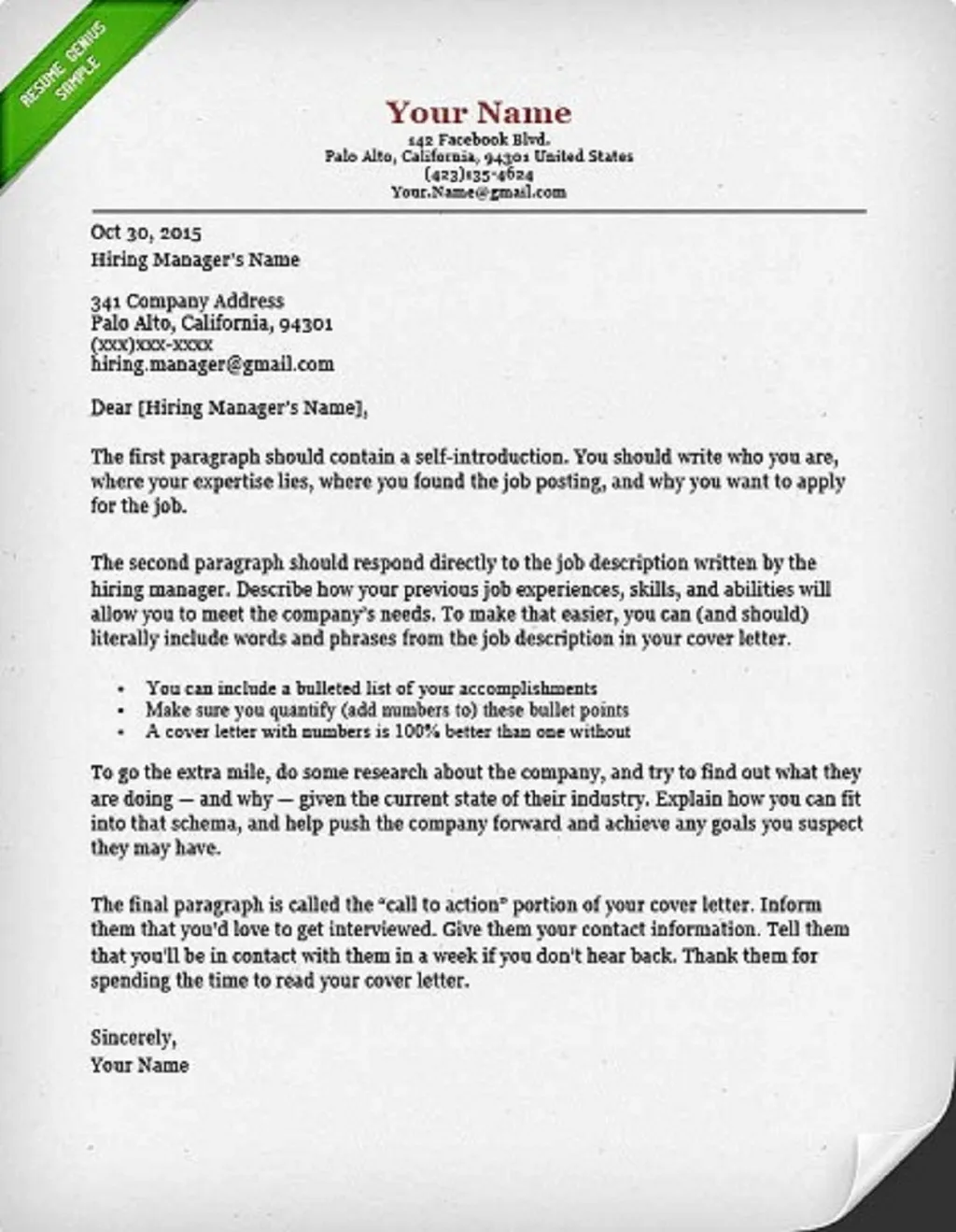
A clear and concise structure is essential for a cover letter that captivates the reader. Organizing your letter in a logical manner helps ensure that your key messages are easily understood and remembered. Adhering to a standard format will help you appear professional and organized. The typical structure of a cover letter involves a header with your contact information, a salutation addressing the hiring manager or the relevant person, an opening paragraph to capture attention, several body paragraphs to highlight your skills and experiences, and a concluding paragraph summarizing your interest and expressing a call to action.
Formatting Basics
To ensure your cover letter looks professional and is easy to read, stick to clear formatting guidelines. Use a standard font like Arial or Times New Roman with a font size between 10 and 12 points. Maintain consistent spacing, typically single-spaced with a space between paragraphs. Ensure your margins are set to one inch on all sides. The overall goal is to provide a clean and organized document that the reader can easily navigate. Clean formatting is crucial for making a positive impression, showing that you pay attention to detail and respect the reader’s time.
Header and Contact Information
Start your cover letter with a professional header. Include your full name, address, phone number, and email address. Place this information at the top left or right of the page. If you’re applying online, ensure the email address is professional and reflects your name. The header provides essential contact information, making it easy for the hiring manager to reach you if they are interested in your application. Ensure that the contact information is accurate and up-to-date to avoid any potential communication problems.
The Salutation

Begin your cover letter with a professional salutation. Whenever possible, address the hiring manager or the specific person listed in the job description by name. ‘Dear Mr./Ms./Mx. [Last Name]’ is a standard and respectful approach. If you can’t find a name, use a general greeting like ‘Dear Hiring Manager’ or ‘Dear [Company Name] Team.’ Avoid outdated or overly casual greetings. A personalized salutation shows that you have taken the time to research and shows initiative.
Top 7 Tips for an Amazing Cover Letter
Tip 1 Tailor to the Job and Company
Customizing your cover letter for each job application is essential. Generic cover letters rarely make a lasting impression. Analyze the job description carefully and tailor your letter to highlight the specific skills, experiences, and qualifications the employer is seeking. Show that you understand the company’s mission, values, and culture. Tailoring demonstrates genuine interest, improving your chances of getting selected for an interview. The more you show you have an understanding of the company’s needs, the more likely you will catch the hiring manager’s attention.
Research the Company

Conduct thorough research on the company before writing your cover letter. Visit their website, read news articles, and explore their social media profiles to learn about their recent projects, goals, and values. This information will help you demonstrate that you understand the company’s mission and can write about how your skills and experiences align with their needs. Referencing specific company initiatives or values demonstrates your commitment to the role and the organization.
Highlight Relevant Skills
Carefully review the job description and identify the key skills and qualifications the employer is looking for. In your cover letter, highlight your relevant skills, providing concrete examples of how you have used those skills in previous roles. Use the same keywords and phrases from the job description to show that you have the required capabilities. Aligning your skills with the job requirements makes it clear that you are a strong fit for the position.
Tip 2 Grab Attention with a Strong Opening
The opening paragraph of your cover letter is critical. It’s your first chance to grab the hiring manager’s attention and make them want to keep reading. Avoid generic openings that state you’re applying for the job. Instead, start with a compelling statement that immediately conveys your interest in the position and why you are a good fit. A strong opening can highlight a relevant achievement, express your excitement about the opportunity, or briefly explain what makes you stand out.
Avoid Generic Openings

Avoid opening lines such as, ‘I am writing to apply for the position of…’ These generic statements don’t capture the reader’s attention. Instead, use a dynamic and engaging opening that conveys your interest and quickly demonstrates how your skills and experiences align with the job’s requirements. Open with an achievement or a specific skill that makes you stand out, making it clear why you’re the right candidate for the role.
Show Enthusiasm and Motivation
Express your enthusiasm for the position and the company. Show genuine interest in the opportunity and explain why you’re excited about the role. Share your knowledge of the company or field, illustrating your interest in the work. Demonstrating your excitement increases your chances of getting noticed and making a memorable impression. Showing your passion for the job is often a significant differentiating factor.
Tip 3 Showcase Your Value Proposition
Highlight your value proposition, explaining how you can benefit the company. Clearly communicate what you bring to the table and how your skills and experiences can contribute to the company’s success. Show how you can solve their problems or achieve their goals. Quantify your achievements to demonstrate your impact and create a convincing case that you are a valuable asset.
Quantify Achievements

Whenever possible, quantify your achievements. Use numbers, percentages, and specific data to demonstrate the impact of your work. For example, instead of saying ‘Improved sales,’ say ‘Increased sales by 15% in one quarter.’ Quantifying your accomplishments provides concrete evidence of your abilities and helps potential employers understand the value you can bring to their team. Numbers add credibility and make your accomplishments more compelling.
Focus on Benefits, Not Just Features
When highlighting your skills and experiences, focus on the benefits rather than simply listing features. Explain how your skills can solve the employer’s problems or contribute to their goals. For example, instead of saying ‘Proficient in project management,’ say ‘Managed projects that resulted in on-time and under-budget completion.’ Focus on the positive outcomes and the value you can provide to the company.
Tip 4 Match Your Skills to the Job Requirements
Ensure your cover letter directly addresses the job requirements. Carefully review the job description and tailor your letter to highlight the specific skills, experiences, and qualifications the employer is seeking. Explain how your background aligns with their needs, providing concrete examples. Show how your skills and experiences can benefit the company. If the job description mentions specific software, list them in your cover letter to show your competency.
Use Keywords from the Job Description

Incorporate keywords and phrases from the job description into your cover letter. This helps demonstrate your understanding of the role and increases the chances that your application will be noticed by applicant tracking systems (ATS). However, avoid keyword stuffing, which can make your letter sound unnatural. Use the keywords naturally and strategically throughout the document to highlight your relevant skills and experiences.
Provide Concrete Examples
Support your claims with concrete examples of your past experiences. Share specific accomplishments that demonstrate your skills and abilities. Use the STAR method (Situation, Task, Action, Result) to provide context, describe your responsibilities, explain the actions you took, and detail the outcomes of your efforts. Providing specific examples makes your claims more believable and helps the hiring manager visualize how you could perform in the role.
Tip 5 Write a Compelling Body
The body of your cover letter should expand on your skills and experiences, providing more detail about your qualifications and what you can offer to the company. Write several paragraphs that logically support your opening statement. Use the body to highlight your key achievements, explain how you align with the job requirements, and show your enthusiasm for the role. Maintain a professional tone and structure the paragraphs to enhance readability and clarity.
Structure Your Body Paragraphs Logically
Organize your body paragraphs in a logical and coherent manner. Use one paragraph to discuss your relevant skills and experiences and support your claims with concrete examples. Maintain a clear narrative that shows the progression of your career and your ability to take on the new role. Each paragraph should focus on a specific aspect of your qualifications, making it easy for the reader to understand how you meet the job requirements.
Use Action Verbs
Use strong action verbs to describe your accomplishments and responsibilities. Action verbs such as ‘managed’, ‘created’, ’led’, ‘developed’, and ‘implemented’ make your letter more dynamic and engaging. They also demonstrate your active role and help to convey your contributions in a more persuasive way. Using dynamic and engaging verbs can significantly enhance the impact of your cover letter, presenting a picture of an active and productive professional.
Tip 6 Proofread and Edit
Proofreading and editing are essential steps in the cover letter writing process. Errors in grammar, spelling, and punctuation can undermine your professionalism and negatively impact the hiring manager’s impression. Always thoroughly review your cover letter for any errors before submitting it. Consider using online tools or asking a friend to review your document to catch any errors you might have missed.
Check for Grammar and Spelling Errors
Meticulously check your cover letter for grammar and spelling errors. Errors can make you appear careless and unprofessional. Use a spell checker and grammar checker, but don’t rely on them entirely. Proofread your letter several times, reading slowly and carefully. Look for common errors like typos, incorrect verb tenses, and punctuation mistakes. Ensure the letter is flawless before submitting it.
Ensure Clarity and Conciseness
Make sure your cover letter is clear and concise. Avoid using overly complex language or jargon that might confuse the reader. Keep your sentences and paragraphs brief and to the point. Each sentence should contribute to the overall message, and every word should serve a purpose. The goal is to convey your message effectively and leave a positive impression.
Tip 7 End with a Strong Call to Action
Your cover letter should conclude with a strong call to action, summarizing your interest in the position and expressing your enthusiasm for an interview. Thank the hiring manager for their time and consideration. The final paragraph should leave a lasting impression and encourage the hiring manager to take the next step. A well-written call to action will motivate the hiring manager to move forward with your application.
Express Your Interest in the Position
Reiterate your interest in the position and the company in your closing paragraph. Express your enthusiasm and explain why you are excited about the opportunity. Mention any specific aspects of the role or company that particularly appeal to you. This reinforces your interest and shows your commitment to the job.
Include a Professional Closing
End your cover letter with a professional closing like ‘Sincerely,’ ‘Best regards,’ or ‘Thank you for your consideration.’ Follow the closing with your typed name. Ensure the closing is appropriate for the tone of your letter. A professional closing leaves a positive final impression and sets the stage for a potential interview.