Understanding the Importance of a Healthcare Cover Letter
In the competitive world of healthcare, a well-crafted cover letter is your first opportunity to make a lasting impression on potential employers. It’s more than just a formality; it’s a crucial tool that can significantly impact your chances of landing an interview. A compelling cover letter provides context to your resume, allowing you to showcase your personality, passion for the field, and specific qualifications in a way that a resume alone cannot. Healthcare professionals often deal with sensitive information and patient care, making a well-written cover letter even more vital in demonstrating your professionalism, attention to detail, and genuine interest in the role and the organization. It is an essential component of your job application and it should not be overlooked or underestimated.
Why a Cover Letter Matters
A cover letter gives you the chance to explain why you’re the ideal candidate for a position beyond the information presented in your resume. It’s your chance to communicate your soft skills, such as empathy, communication abilities, and problem-solving skills, which are vital in healthcare. It allows you to demonstrate how your experiences and abilities align with the specific job requirements and the values of the organization. Moreover, a strong cover letter demonstrates your communication skills and attention to detail, critical traits for any healthcare professional. It also gives you an advantage over other applicants, particularly if you’re trying to make a career change or if you’re entering the healthcare field for the first time.
Highlighting Your Qualifications

Your cover letter is the perfect place to highlight the qualifications that make you an exceptional healthcare professional. While your resume lists your skills and experiences, your cover letter allows you to elaborate on these points. You can provide specific instances where you’ve applied these skills, the outcome, and how they benefited patients or the healthcare facility. It’s important to emphasize relevant certifications, licenses, and areas of expertise that align with the job requirements. By showcasing your qualifications, you assure the hiring manager that you have the required skills and experience to excel in the role. It offers a great way to demonstrate your understanding of the job’s needs.
Key Components of a Compelling Healthcare Cover Letter
Contact Information and Date
Start with your contact information at the top of the letter, including your name, phone number, email address, and LinkedIn profile URL (if applicable). Add the date below your contact details. This ensures the hiring manager can easily reach you and shows that the letter is current.
Addressing the Hiring Manager

Always address your letter to a specific person, such as the hiring manager, if possible. Research the hiring manager’s name and title to show that you’ve put in effort. If you can’t find a name, use a professional greeting like “Dear Hiring Manager”. Avoid generic greetings such as “To Whom It May Concern”. It demonstrates that you have taken the time to prepare the letter for this specific position.
Opening Paragraph: Capturing Attention
Your opening paragraph is critical; it’s your first chance to make an impression. Start with a strong hook that grabs the reader’s attention. Express your enthusiasm for the position and the organization. Briefly mention your key qualifications and how they align with the job requirements. This demonstrates your understanding of the job and quickly highlights why you are a suitable candidate for it.
Body Paragraphs: Showcasing Skills
The body of your cover letter is where you showcase your skills and experience. Use a few well-structured paragraphs to highlight your relevant qualifications and how they match the job’s needs. Use specific examples to support your claims, and quantify your accomplishments whenever possible. This section should highlight why you are the perfect fit for the role.
Highlighting Relevant Experience

Focus on your past experiences relevant to the role. Highlight the tasks you have performed and the contributions you have made. Use the job description to guide your choices, emphasizing the experiences that are most relevant to the requirements of the position. This helps the reader quickly assess whether you have the relevant experience.
Quantifying Achievements
Quantify your achievements whenever possible. For instance, instead of saying “Improved patient satisfaction,” you could say “Increased patient satisfaction scores by 15% through improved communication and patient education strategies.” Numbers add weight to your claims and make it easier for the hiring manager to assess your impact. The more you can back up your claims with data, the more effective the cover letter will be.
Tailoring to the Specific Role
Customize your cover letter for each job application. Review the job description carefully and tailor your letter to address the specific requirements and the skills sought by the employer. This shows that you’ve put in the time and effort to understand the position and are genuinely interested in it. This tailoring sets you apart from candidates who use generic cover letters.
Expressing Enthusiasm and Interest

Throughout your cover letter, demonstrate your enthusiasm for the healthcare field and the specific opportunity. Express your interest in the organization’s mission and values. Explain why you’re excited about the possibility of working there. Your enthusiasm can set you apart from other applicants, as it indicates you are passionate about your work and genuinely interested in the organization.
Closing Paragraph: Call to Action
End your cover letter with a strong call to action. Thank the hiring manager for their time and consideration. Clearly state your availability for an interview and how they can reach you. Reiterate your enthusiasm for the position and express your confidence in your ability to contribute to the team. This creates a lasting positive impression.
Formatting and Presentation Best Practices
Choosing the Right Font and Format

Use a professional and easy-to-read font, such as Times New Roman, Arial, or Calibri. Use a standard font size, usually 11 or 12 points. Ensure consistent formatting throughout the document, including spacing, margins, and bullet points. A clean, well-formatted cover letter shows your attention to detail and respect for the reader.
Proofreading and Editing
Proofread your cover letter carefully for any grammatical errors, typos, or spelling mistakes. Errors can undermine your credibility and professionalism. Have someone else review your cover letter to catch any mistakes that you might have missed. Double-check all names, titles, and contact information. Before sending your cover letter, read it carefully to ensure that everything is correct.
Common Mistakes to Avoid
Generic Templates

Avoid using generic cover letter templates that are not tailored to the specific job or organization. Generic letters are easily recognizable and do not reflect a genuine interest in the position. Always customize your cover letter to align with the job description and the requirements specified by the employer.
Typos and Grammatical Errors
Typos and grammatical errors can immediately damage your credibility. These mistakes give the impression of carelessness and lack of attention to detail. Proofread your cover letter multiple times. Ask a friend or family member to read it over to catch any errors you might have missed. A polished cover letter is a reflection of your professionalism.
Failing to Tailor to the Job
Failing to tailor your cover letter to the specific job requirements is a common mistake. Each job has unique needs and responsibilities, so it is important to demonstrate how your skills and experience align with those needs. Show that you understand the role by referencing specific aspects of the job description. Customize your cover letter to show you are a good fit for this particular position and the organization. This demonstrates your initiative and research.
Examples of Effective Healthcare Cover Letters
Reviewing examples can help you understand how to structure and present your cover letter. Here are examples for a few healthcare roles.
Example 1 Registered Nurse
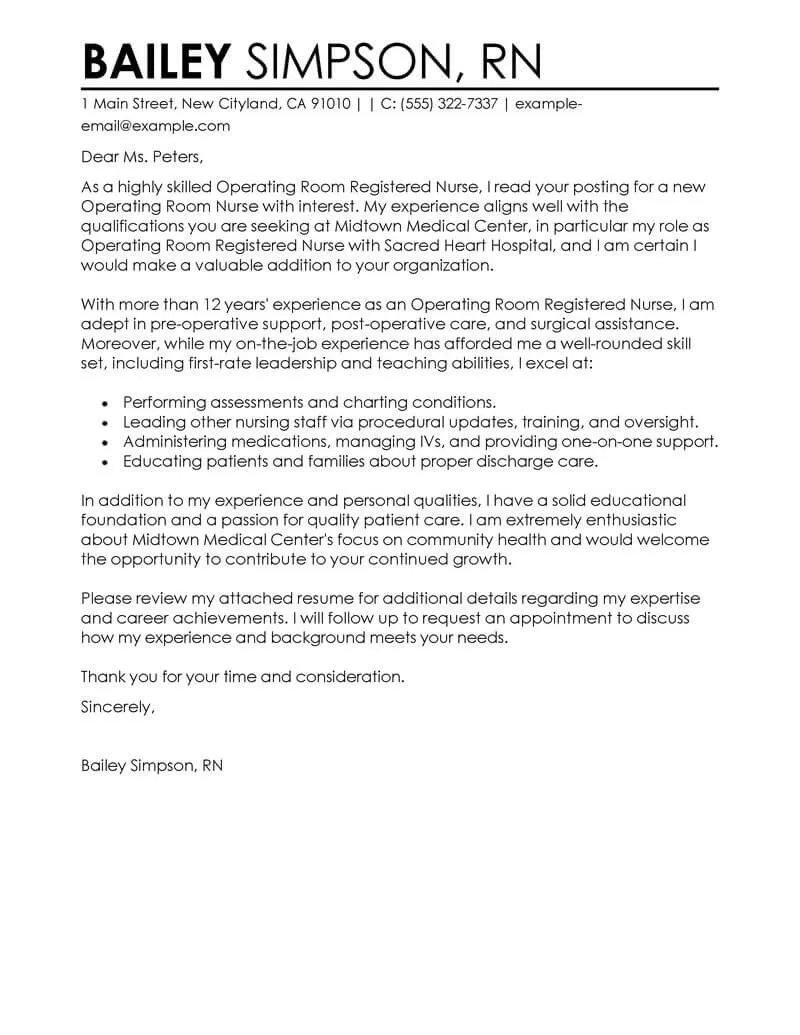
A Registered Nurse cover letter should highlight clinical skills, patient care experience, and any specializations or certifications. The letter should reflect the nurse’s understanding of medical terminology and best practices, along with strong communication and teamwork skills. Showcase any leadership roles or special projects undertaken in previous positions. (Image: registered-nurse-cover-letter.webp)
Example 2 Medical Assistant
Medical Assistants should emphasize their ability to assist with clinical and administrative tasks, along with patient interaction skills. The cover letter should showcase the ability to manage medical records, take patient histories, and assist in examinations. Highlight any experience with electronic health records, insurance, or other skills relevant to a medical setting. (Image: medical-assistant-cover-letter.webp)
Example 3 Healthcare Administrator
Healthcare Administrators should focus on their organizational, managerial, and communication skills. The cover letter should describe experience in healthcare operations, financial management, or strategic planning. Emphasize the ability to improve efficiency, manage budgets, and ensure compliance with healthcare regulations. Highlight any experience leading teams or managing projects. (Image: healthcare-administrator-cover-letter.webp)