Why a Cover Letter Matters
In the competitive job market, a well-crafted cover letter can be your golden ticket to landing an interview. Many job seekers underestimate the power of a cover letter, viewing it merely as an optional add-on to their resume. However, a cover letter provides a crucial opportunity to introduce yourself to a potential employer, express your genuine interest in the role, and highlight how your skills and experience align with the job requirements. It’s your chance to make a memorable first impression and persuade the hiring manager that you’re the perfect candidate.
Understanding the Purpose of a Cover Letter
The primary purpose of a cover letter is to complement your resume by offering additional context and personality. While your resume presents a factual summary of your work history and qualifications, your cover letter allows you to tell a story. It enables you to explain why you are interested in the specific role, showcase your understanding of the company’s needs, and demonstrate how your skills and experience can contribute to their success. It’s a platform to express your enthusiasm, elaborate on your achievements, and give the hiring manager a glimpse of your professional persona.
The Importance of a Cover Letter

A compelling cover letter can significantly increase your chances of getting an interview. It allows you to personalize your application, tailoring it to the specific job and company. By addressing the hiring manager directly, you show that you’ve taken the time to understand their needs. A well-written cover letter demonstrates your communication skills, attention to detail, and your ability to articulate your value proposition. Furthermore, it can set you apart from other applicants, especially if your resume alone might not fully capture your qualifications.
7 Steps to Writing a Winning Cover Letter
Crafting a winning cover letter doesn’t have to be a daunting task. By following a structured approach, you can create a compelling document that grabs the attention of hiring managers. Here are seven key steps to guide you through the process, ensuring your cover letter effectively highlights your qualifications and increases your chances of getting hired. Each step is designed to help you build a strong, personalized letter that showcases your skills and enthusiasm. This methodical approach helps you create a letter that stands out.
Step 1 Research the Company and Position
Before you begin writing, invest time in thorough research. Understand the company’s mission, values, and recent achievements. Explore their website, social media profiles, and any news articles or press releases. Identify the specific requirements and responsibilities of the job. This research is vital because it allows you to tailor your cover letter to the specific role and demonstrate your genuine interest in the company. Showing that you understand their needs and can contribute to their goals makes you a more attractive candidate.
Step 2 Craft a Compelling Header

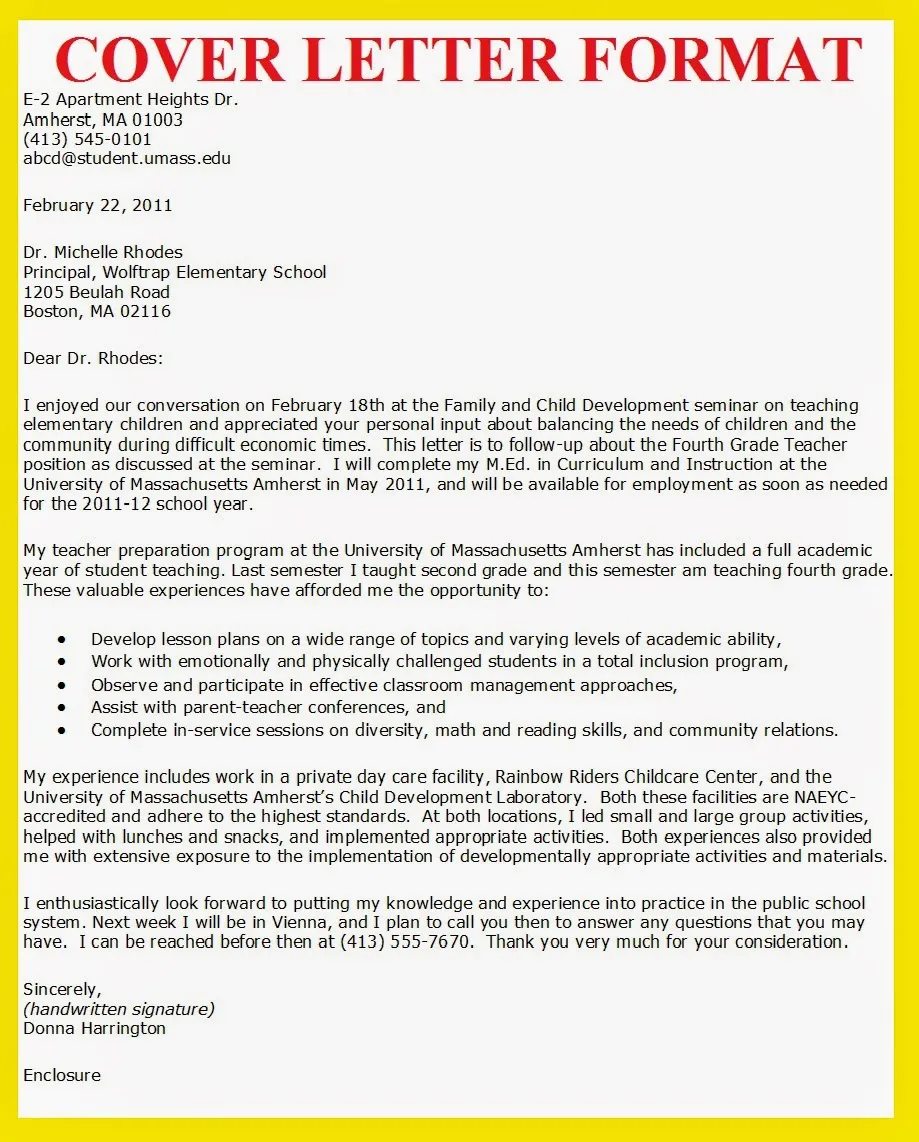
A strong header sets the tone for your entire cover letter. It should include your contact information (name, phone number, email address, and possibly a LinkedIn profile URL) and the date. Then, include the hiring manager’s name (if known) and their title, along with the company’s name and address. Addressing the letter to a specific person shows initiative and attention to detail. Ensure that your contact information is up-to-date and professional, making it easy for the employer to reach you.
Step 3 Write a Strong Opening Paragraph
Your opening paragraph should immediately capture the hiring manager’s attention. Start by stating the position you are applying for and where you found the job posting. Briefly explain why you are excited about the opportunity and why you are a good fit. This is your first chance to make a positive impression. Avoid generic openings and instead, express your enthusiasm and highlight a key skill or experience relevant to the role. Make it clear why you’re applying and what makes you stand out.
Step 4 Highlight Relevant Skills and Experience
The body of your cover letter is where you demonstrate how your skills and experience align with the job requirements. Select 2-3 key skills or experiences that match the job description. For each one, provide specific examples of how you have used these skills and the results you achieved. Quantify your accomplishments whenever possible, using numbers and data to illustrate your impact. Make sure the skills you highlight are relevant to the position, and showcase your ability to meet the employer’s needs. This section is your opportunity to convince them of your abilities.
Step 5 Showcase Your Achievements

Don’t just list your responsibilities; emphasize your achievements. Provide concrete examples of projects you completed, challenges you overcame, or goals you achieved. Use the STAR method (Situation, Task, Action, Result) to structure your examples, providing context, detailing your actions, and highlighting the positive outcomes. This approach helps the hiring manager understand your capabilities and contributions. Focus on what you accomplished, using metrics and data to demonstrate your impact, making your accomplishments memorable.
Step 6 Express Enthusiasm and Fit
Throughout your cover letter, express your enthusiasm for the role and the company. Explain why you are interested in this specific opportunity and what attracts you to the organization. Demonstrate your understanding of their mission, values, or recent projects. Show that you have researched the company and believe your values align with theirs. This level of engagement proves that you are genuinely interested in the position, setting you apart from those who send out generic applications. Conveying your enthusiasm is crucial for making a positive impression.
Step 7 Write a Powerful Closing and Call to Action
Your closing paragraph should reiterate your interest in the position and your appreciation for the hiring manager’s time. Reiterate the key reasons why you are a strong fit and briefly summarize your most relevant skills and experiences. End with a clear call to action, such as requesting an interview or expressing your eagerness to discuss your qualifications further. Thank them for considering your application and offer your contact information again. A strong, confident closing leaves a lasting positive impression.
Essential Tips for Cover Letter Success

Beyond the basic steps, several additional tips can help you write a winning cover letter. Tailor your cover letter to each specific job application, avoiding a one-size-fits-all approach. Use keywords from the job description throughout your letter to showcase your understanding of the requirements. Proofread carefully for any grammatical errors or typos, as these can make a negative impression. Keep your cover letter concise, ideally within one page. Maintaining a professional tone and format is also essential for leaving a positive impression.
Tailoring Your Cover Letter for Each Application
One of the most critical tips is to customize your cover letter for each job application. Generic cover letters often fail to impress hiring managers because they lack specificity and a clear connection to the role. Research the company and the specific job requirements to ensure your letter directly addresses their needs. Highlight the relevant skills and experiences that match the job description. Demonstrate your understanding of the company’s values and mention how your background aligns with their culture. Personalization shows that you are genuinely interested in the position and have taken the time to understand their needs.
Proofreading and Formatting Best Practices
Proofreading and formatting are essential for creating a professional cover letter. Errors in grammar, spelling, or punctuation can undermine your credibility. Before submitting your letter, carefully proofread the entire document, and consider having a second person review it for you. Use a clear, readable font, such as Times New Roman or Arial, with a font size between 10 and 12 points. Ensure consistent formatting throughout the document, including proper margins and spacing. A well-formatted, error-free cover letter demonstrates attention to detail and professionalism.
Common Cover Letter Mistakes to Avoid

Several common mistakes can undermine your cover letter’s effectiveness. Avoid using generic language or clichés. Refrain from simply restating your resume; instead, provide additional context and examples. Do not include irrelevant information or unrelated experiences. Be concise and avoid writing overly long paragraphs. Avoid negativity or complaining about previous employers. Finally, always address the hiring manager by name; using “To Whom It May Concern” is impersonal and can make a negative impression. By avoiding these common pitfalls, you can significantly improve the quality and impact of your cover letter.