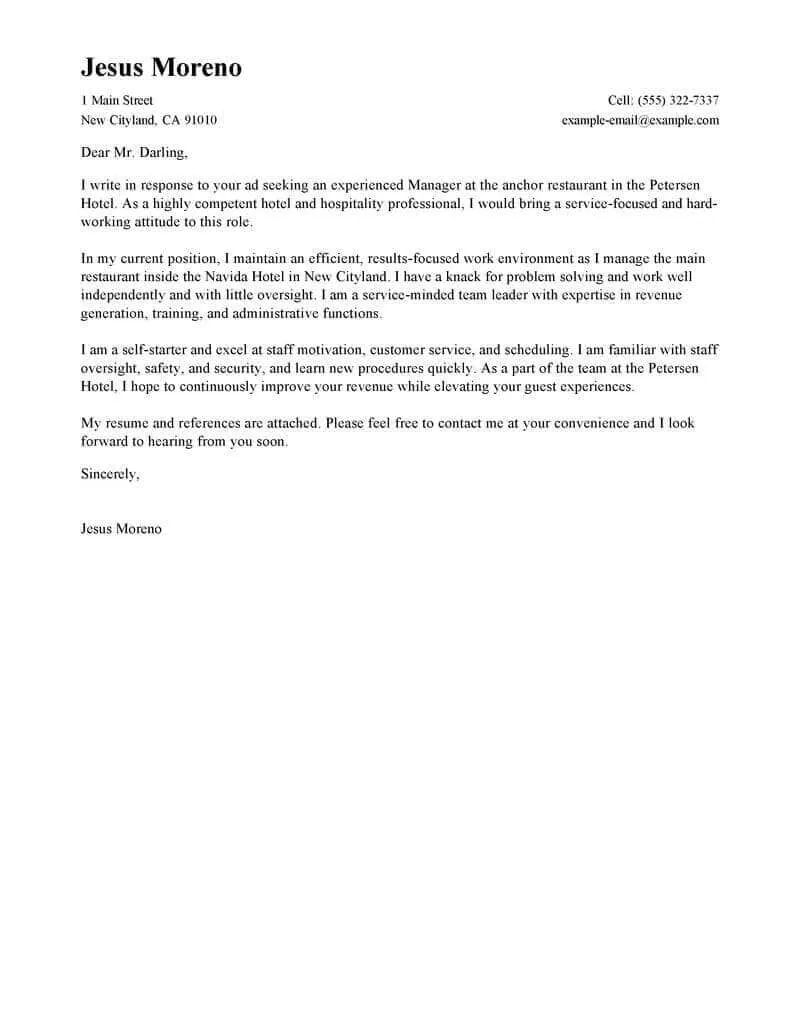
Cover Letter Email: What Is It and Why You Need It
In today’s digital age, a cover letter email is often the first point of contact between you and a potential employer. It serves as a professional introduction, accompanying your resume and cover letter, and provides an opportunity to highlight your key qualifications and express your interest in a specific role. Unlike a traditional mailed cover letter, the email format requires brevity and a focus on immediate impact. Mastering the art of writing a compelling cover letter email is crucial for making a positive first impression and increasing your chances of landing an interview. It’s your chance to show why you’re the best fit for the job, even before they read your resume.
Why Is It Important
A well-crafted cover letter email is important for several reasons. First, it demonstrates your attention to detail, professionalism, and communication skills. A polished email suggests you take the application process seriously and are committed to the opportunity. Second, it allows you to tailor your message to the specific job and company, showcasing your understanding of their needs and your relevant skills. Third, it acts as a preview of your qualifications, enticing the hiring manager to read your attached resume and cover letter. Finally, a cover letter email sets the tone for your application and can significantly impact whether you move forward in the hiring process. Ignoring or poorly writing this email can lead to your application being overlooked.
Key Components of a Cover Letter Email

A successful cover letter email comprises several key components working in harmony. These elements include a compelling subject line, a personalized greeting, an engaging opening paragraph, a concise body that highlights your qualifications, a clear call to action, and a professional closing. Each part plays a critical role in capturing the reader’s attention and encouraging them to learn more about you. By carefully constructing each element, you can create an email that effectively communicates your value and increases your chances of getting an interview. Let’s break down each component to understand how to craft the perfect cover letter email.
Subject Line: Make It Catchy
The subject line is the first thing a hiring manager sees, so it must be compelling. Keep it concise, specific, and relevant to the job you’re applying for. Avoid generic phrases like “Job Application.” Instead, use the job title and your name, such as “Software Engineer Application - John Doe.” If you have a connection to the company or the person you’re emailing, consider mentioning it to grab their attention. For example, “Referral from [Name] - Application for Marketing Manager.” A well-crafted subject line significantly increases the likelihood that your email will be opened and read.
Addressing the Recipient: Get It Right
Addressing the recipient correctly demonstrates respect and professionalism. If possible, find out the hiring manager’s name and use it in the greeting. “Dear Mr./Ms./Mx. [Last Name]” is a good starting point. If you can’t find a specific name, use a general greeting like “Dear Hiring Manager” or “Dear [Company Name] Hiring Team.” Avoid overly casual greetings like “Hey” or “Hi.” Double-check the spelling of the name and title to avoid any embarrassing errors. Personalizing the greeting sets a positive tone and shows that you’ve taken the time to research the company and role.
Opening Paragraph: Grab Their Attention

The opening paragraph is your chance to make a strong first impression. Start by stating the position you’re applying for and where you saw the job posting. Briefly explain why you’re interested in the role and the company. Highlight one or two key qualifications that align with the job requirements. Make it clear why you’re a great fit and what excites you about the opportunity. Keep the opening paragraph concise and focused on capturing the reader’s attention. It should entice them to continue reading and learn more about you and your skills.
Body of the Email: Show Your Value
The body of your email is where you elaborate on your qualifications and experiences. Focus on the most relevant skills and experiences that align with the job description. Tailor your message to highlight the specific requirements and demonstrate how you meet them. Use concise language, strong action verbs, and specific examples to showcase your accomplishments. Keep it brief, highlighting the key points without overwhelming the reader with too much information. The goal is to convince the hiring manager that you possess the skills and experience to excel in the role.
Highlight Your Skills and Experience
Clearly state your skills and experiences that directly relate to the job requirements. Use keywords from the job description to demonstrate that you understand what the company is looking for. For example, if the job requires experience with project management, mention your project management experience and list any relevant tools or methodologies you’re proficient in. Emphasize your relevant accomplishments and how your skills have contributed to your past successes. This section should clearly demonstrate your value and convince the hiring manager of your ability to perform the job successfully.
Quantify Your Achievements

Whenever possible, quantify your achievements to demonstrate your impact. Instead of saying “Managed projects,” say “Managed projects, delivering them on time and within budget, which resulted in a 15% increase in efficiency.” Use numbers, percentages, and metrics to showcase your accomplishments and provide concrete evidence of your success. This helps to create a clear picture of your value and differentiate you from other candidates. Quantifying your achievements makes your claims more credible and shows that you are results-oriented.
Closing Paragraph: Call to Action
End your cover letter email with a clear call to action. Express your enthusiasm for the opportunity and reiterate your interest in the role. State that you have attached your resume and cover letter for their review. Include a statement about your availability for an interview and thank the hiring manager for their time and consideration. Always end with a professional closing such as “Sincerely,” or “Best regards,” followed by your name and contact information. This makes it easy for them to contact you and shows that you are serious about the opportunity.
Formatting Your Cover Letter Email
Proper formatting is essential for readability and professionalism. A well-formatted email is easier to read, makes a better impression, and increases the likelihood that the reader will absorb your message. Keep your email concise, use a clear and readable font, and proofread everything carefully before sending. The goal is to present your qualifications in the most accessible and professional manner possible. A well-formatted email shows that you care about details and take pride in your work.
Keep It Concise and Readable

Keep your email concise and to the point. Hiring managers are busy and likely have a stack of applications to review. Aim for three to four paragraphs, with each paragraph focusing on a key point. Use short sentences and avoid jargon or overly complex language. The easier your email is to read and understand, the more likely it is that the hiring manager will be able to read and retain your message. Focus on providing the most relevant information in the most efficient way.
Choose the Right Font and Size
Choose a professional font that’s easy to read, such as Arial, Calibri, or Times New Roman. Use a font size between 11 and 12 points. Ensure the font size is large enough for easy reading but not too large to appear unprofessional. Avoid using decorative or unusual fonts. Stick to a standard font that is clean and simple. Consistency is key, and a well-chosen font conveys professionalism and attention to detail.
Proofread and Edit Carefully
Proofread your email thoroughly for any typos, grammatical errors, or formatting issues. Errors can undermine your credibility and make a negative impression. Read your email aloud to catch any awkward phrasing or errors you may have missed. Consider having a friend or colleague review it as well. Ensure all links and attachments are correct and working. A polished email reflects your attention to detail and professionalism, making you appear more competent and reliable.
Sending Your Cover Letter Email

When sending your cover letter email, pay close attention to attaching the correct documents and sending it at the right time. Ensure your attachments are in the appropriate format (usually PDF) and that they open correctly. Consider the time of day and the day of the week that you’re sending your email to maximize the chances it will be seen. These details, though often overlooked, can enhance your chances of a positive response and highlight your preparedness.
Attaching Your Cover Letter and Resume
Always attach your cover letter and resume to your email. Use a professional file name that includes your name and the document type, such as “John Doe - Resume.pdf” or “John Doe - Cover Letter.pdf.” This ensures that the hiring manager knows what each document is at a glance. Ensure both files are in a PDF format to maintain formatting and prevent compatibility issues. Double-check that you’ve attached both documents before sending the email, as failing to include them is a common mistake.
When to Send Your Email
Consider the best time to send your cover letter email. Research suggests that sending emails during the middle of the week (Tuesday, Wednesday, or Thursday) tends to yield better results, as hiring managers are less likely to be overwhelmed with emails. The best time of day to send your email is typically in the morning or early afternoon when hiring managers are checking their inboxes. However, be aware that some companies use applicant tracking systems (ATS) which may impact the best time to send the email.
Following Up After Sending

If you don’t hear back within a reasonable timeframe (typically one to two weeks), consider sending a follow-up email. In your follow-up, briefly reiterate your interest in the position and ask if they have any questions. Keep the follow-up concise and professional. Avoid being overly persistent, but a polite reminder can keep you at the top of the hiring manager’s mind. Demonstrate persistence and genuine interest without being annoying.
Cover Letter Email: Examples
Reviewing examples of cover letter emails can help you tailor your approach. These examples offer different templates for various scenarios, such as applying for a job or networking with professionals. By studying these templates, you can modify them to fit your specific needs and preferences. This will ensure your cover letter email is well-crafted and effectively communicates your value.
Email Template for Job Applications
Subject Line Application for [Job Title] - [Your Name]
Dear [Hiring Manager name or Dear Hiring Team],
I am writing to express my keen interest in the [Job Title] position advertised on [Platform where you saw the ad]. With [Number] years of experience in [Relevant field], I am confident that my skills and experiences align well with the requirements of this role.
In my previous role at [Previous company], I was responsible for [List a few key responsibilities and accomplishments]. For example, [Quantifiable Achievement]. I am particularly drawn to [Company Name] because of [Mention something specific about the company].
Please find my resume attached for your review. I am eager to learn more about this opportunity and discuss how I can contribute to your team. Thank you for your time and consideration.
Sincerely, [Your Name] [Your Contact Information]
Email Template for Networking
Subject Line Networking Opportunity - [Your Name]
Dear [Name of person],
My name is [Your Name], and I am a [Your Title/Profession]. I was very impressed with [Their work/article/presentation]. I am reaching out because I am seeking to [Your goal; i.e., learn more about their field, explore job opportunities at their company, etc.]
I have experience in [Briefly mention relevant skills or experience]. I am particularly interested in [What you find interesting about them or their company]. Would you be open to a brief call or email exchange?
Thank you for your time and consideration. I look forward to hearing from you.
Sincerely, [Your Name] [Your Contact Information]
Common Mistakes to Avoid
Be aware of common mistakes that can diminish your chances of success. These mistakes range from errors in grammar and formatting to generic cover letters and a failure to tailor the email to the specific job. By carefully avoiding these pitfalls, you can significantly improve the effectiveness of your cover letter email and stand out to the hiring manager. Make sure to review your cover letter email as many times as you need before sending it.
Typos and Grammatical Errors
Typos and grammatical errors are among the most common mistakes. They make your email appear unprofessional and demonstrate a lack of attention to detail. Proofread your email carefully before sending it. Use a spell checker and grammar checker. Read your email aloud to catch any awkward phrasing. Having a colleague review your email can also help identify errors. Making sure the email is perfect ensures the hiring manager will focus on your message instead of any distractions.
Generic Cover Letters
Sending a generic cover letter email that is not tailored to the specific job is a significant mistake. Generic emails fail to show that you have taken the time to understand the role and the company’s needs. Instead, personalize your cover letter email by mentioning the specific job title, the company, and the requirements listed in the job description. Show that you understand the company’s mission and how your skills align with the role. Customization demonstrates your sincere interest and makes you stand out from the other applicants.
Not Tailoring to the Job
Failing to tailor your cover letter email to the specific job is another common mistake. Hiring managers seek candidates who understand their requirements. Before writing your cover letter email, carefully review the job description and identify the key skills and experiences the employer is looking for. Highlight the skills and experiences you possess that align with these requirements. Use keywords from the job description to showcase your understanding of the role and increase the chances of your application being noticed. This tailoring proves that you are a strong fit for the position.
Conclusion
Writing an effective cover letter email is a crucial step in the job application process. By following the guidelines and tips provided, you can create a compelling email that grabs the hiring manager’s attention, highlights your qualifications, and increases your chances of getting an interview. Remember to focus on key components such as the subject line, greeting, opening paragraph, body, and call to action. Avoid common mistakes such as typos, generic content, and not tailoring to the specific job. By creating a polished and personalized cover letter email, you can make a strong first impression and significantly increase your chances of landing your dream job. Good luck with your job search!