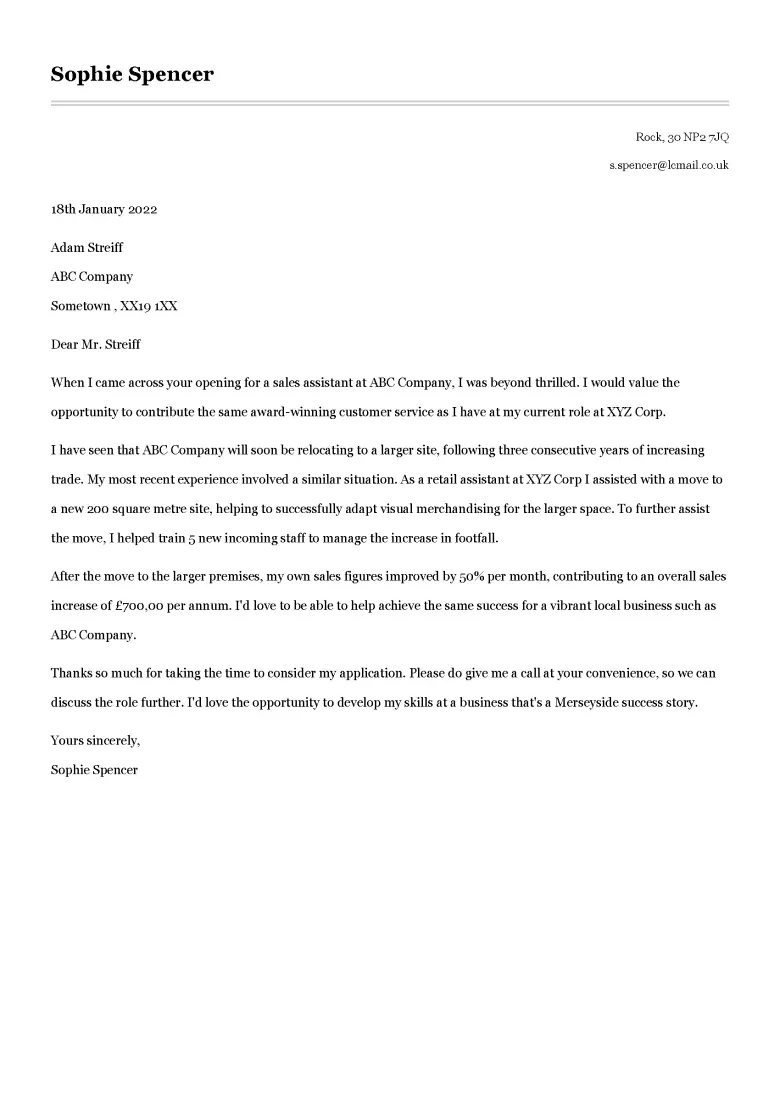
Understanding the UK Cover Letter
In the competitive UK job market, a well-crafted cover letter is your first opportunity to impress a potential employer. It’s more than just a formality; it’s a crucial marketing tool that provides a snapshot of your skills, experience, and personality. Unlike a resume, which is a factual overview, the cover letter allows you to tell a compelling story and explain why you’re the ideal candidate for a specific role. Mastering the art of the UK cover letter can significantly increase your chances of securing an interview and landing your dream job. This guide will walk you through the essential components, formatting tips, and common pitfalls to avoid, ensuring your cover letter stands out.
Purpose of a UK Cover Letter
The primary purpose of a UK cover letter is to introduce yourself and express your interest in a particular job. It serves as a personalized introduction, demonstrating that you’ve researched the company and understand the role. The letter should showcase your key skills and experiences, highlighting how they align with the job requirements. Furthermore, it provides an opportunity to elaborate on aspects of your resume, providing context and depth to your qualifications. A well-written cover letter demonstrates your communication skills, attention to detail, and enthusiasm for the opportunity, setting the stage for a positive first impression.
Key Components of a UK Cover Letter

A standard UK cover letter includes several essential components, each playing a vital role in conveying your qualifications and enthusiasm. Adhering to a structured format ensures clarity and professionalism. Each section must be tailored to the specific job and company, demonstrating your attention to detail and genuine interest in the role.
Contact Information
At the top of your cover letter, include your contact information: your full name, phone number, email address, and sometimes your LinkedIn profile URL. This information allows recruiters to easily reach you if they want to invite you for an interview. Make sure that the contact information is accurate and professional.
Date and Recipient Details
Below your contact information, include the date. Then, add the hiring manager’s name, job title, and the company’s address. If you can’t find the hiring manager’s name, use a general title such as ‘Hiring Manager’. Accuracy and attention to detail here show your professionalism.
Salutation

Start your cover letter with a professional salutation. ‘Dear Mr./Ms./Mx. [Surname]’ is the standard. If you don’t know the hiring manager’s name, use ‘Dear Hiring Manager’ or ‘Dear [Department Name] Team’. Avoid generic greetings like ‘To Whom It May Concern’ as they lack personalization.
Body Paragraph 1 Make a Strong Opening
Your opening paragraph should immediately capture the reader’s attention. State the position you’re applying for and where you found the job posting. Briefly explain why you’re interested in the role and the company. Show your enthusiasm and make a strong first impression.
Highlighting Your Skills and Experience
The core of your cover letter should demonstrate your skills and experience relevant to the job. Use specific examples from your previous roles to show how you’ve used those skills to achieve results. Tailor this section to match the key requirements outlined in the job description.
Quantifying Your Achievements

Whenever possible, quantify your achievements. Instead of saying ‘Improved sales,’ say ‘Increased sales by 15% in six months.’ Using numbers and data makes your accomplishments more impactful and easier for the reader to understand.
Body Paragraph 2 Tailoring Your Letter
The second paragraph must be tailored to match the job requirements. Use keywords from the job description and demonstrate that you understand the company’s mission and values. Show how your experience aligns with what the employer is looking for. Your research will be reflected on this paragraph.
Demonstrating Your Understanding
Prove that you understand the company’s work. Briefly mention the company’s current projects or the industry trends. Explain how your skills and background can contribute to their goals. Researching the company allows you to give valuable insights.
Body Paragraph 3 Expressing Enthusiasm

In your final body paragraph, express your enthusiasm for the opportunity and reiterate why you’re a good fit. Highlight how this role aligns with your career goals. Express your interest in an interview and state that you look forward to hearing from them.
Closing the Letter
Your closing should be concise and professional, summarizing your interest and availability. It should leave the reader with a clear call to action, encouraging them to contact you.
Formal Closing and Signature
Use a formal closing such as ‘Sincerely’ or ‘Yours sincerely’ if you know the name of the recipient, or ‘Yours faithfully’ if you don’t. Type your name and include a digital signature or a scanned copy of your signature if sending a printed version.
Proofreading and Formatting

Proofreading and formatting are critical aspects of a successful cover letter. They are as important as the content. Errors can create a negative impression, suggesting a lack of attention to detail, while poor formatting can make your letter difficult to read. Taking the time to ensure your cover letter is polished and professionally presented significantly increases your chances of making a positive impact.
Essential Formatting Tips
Use a standard, easy-to-read font like Arial or Times New Roman in a size between 10 and 12 points. Ensure consistent spacing throughout your letter, using single-line spacing for the body text and a line space between paragraphs. Maintain a professional layout with appropriate margins (1 inch on all sides). Keep your letter to one page, as UK employers generally prefer concise applications.
Proofreading for Errors
Thoroughly proofread your cover letter for any grammatical errors, spelling mistakes, and punctuation errors. Read the letter aloud to catch any awkward phrasing or sentences that don’t flow well. It’s also a good idea to have a friend or family member review your letter for any mistakes you might have missed. A second pair of eyes can catch errors you might overlook.
Adapting to Different Industries

The tone and content of your cover letter may need to be adapted based on the industry and type of role you are applying for. Some industries may require a more formal approach, while others allow for a more creative or casual style. Understanding these nuances ensures your letter is appropriate and effective for the specific job and industry. Always tailor your cover letter to match the industry standards and expectations.
Cover Letters for Creative Roles
For creative roles, your cover letter can reflect your personality and artistic flair. However, keep it professional. Highlight your creativity, design skills, and any relevant projects. Your cover letter can be a chance to demonstrate your abilities, perhaps by including a portfolio link or design elements.
Cover Letters for Technical Roles
Technical roles require a focus on your skills and experience. Use clear language and quantifiable achievements to illustrate your abilities. Emphasize your technical proficiency and any certifications or specific tools you are familiar with. Tailor your letter to align with the technical skills required in the job description.
Common Mistakes to Avoid
Avoiding common mistakes can significantly improve the quality of your cover letter and increase your chances of success. Many applicants make these errors, which can damage their applications. Being aware of these mistakes helps you create a polished and effective cover letter that gets noticed.
Ignoring the Job Description
Failing to tailor your cover letter to the specific job description is a major mistake. Always read the job description carefully and highlight the skills and experiences the employer is looking for. Use keywords from the job description and demonstrate how your qualifications align with their requirements.
Using Generic Templates
Using a generic cover letter template can make your application appear impersonal and uninspired. While templates can be a starting point, always customize your letter to match the specific job and company. Demonstrate that you’ve invested time and effort in applying for the role.
Lying or Exaggerating
Never lie or exaggerate your skills or experience. Employers will likely verify the information provided during the interview process. Being truthful and accurate builds trust and credibility. Focus on highlighting your genuine qualifications.
Finalizing Your UK Cover Letter
The final steps involve ensuring your cover letter is polished, well-formatted, and ready for submission. Careful review and preparation can make the difference between getting an interview and being overlooked. Attention to detail in these steps showcases your professionalism and commitment.
Reviewing and Submitting
Before submitting your cover letter, carefully review the entire document for any errors. Ensure your contact information is correct, and the formatting is consistent. Save your cover letter as a PDF to preserve the formatting and ensure it appears as you intend. Always address the cover letter to the appropriate person, and double-check the spelling of their name.
Following Up
After submitting your application, it’s acceptable to follow up with the hiring manager or HR department. A week or two after submitting, send a brief email expressing your continued interest and asking if they have any questions. This demonstrates your enthusiasm and initiative.