Why a Great HR Cover Letter Matters
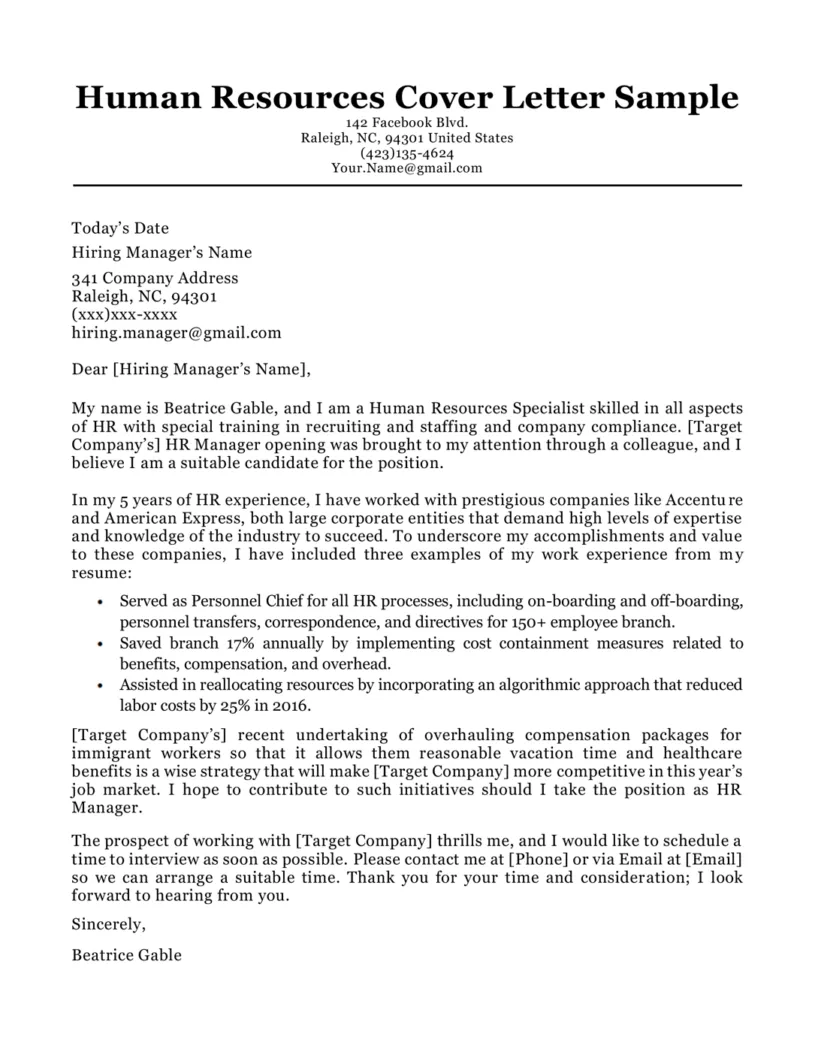
In the competitive world of Human Resources, a well-crafted cover letter is your first opportunity to make a positive impression. It’s more than just a formality; it’s your chance to showcase your personality, highlight your relevant skills, and demonstrate why you’re the ideal candidate. A compelling HR cover letter can set you apart from other applicants, capture the hiring manager’s attention, and ultimately increase your chances of landing an interview. It gives you the space to tell your story, explain your career aspirations, and reveal your understanding of the company and the role. Think of it as your personal introduction – a chance to make a strong and lasting first impression before you even step into the room.
Key Components of an HR Cover Letter
A successful HR cover letter is built on several key components. Each section plays a crucial role in presenting you as a qualified and enthusiastic candidate. Understanding these components will help you structure your letter effectively, ensuring that you convey the right message and capture the recruiter’s attention. This involves a balance of professionalism, clear communication, and strategic content placement. Let’s break down each element and how to best approach it to create a winning cover letter.
Contact Information

Start with your contact information at the top of the letter. Include your full name, address, phone number, and professional email address. Ensure your email address is professional; avoid using nicknames or informal addresses. This section is vital, as it allows the recruiter to easily reach you. Make sure the information is accurate and up-to-date, as a misplaced digit or typo can lead to lost opportunities. Consistency in formatting is also important; keep the style clean and easy to read, so the recruiter can swiftly access your contact details. This part ensures that if the recruiter wants to contact you, they can do so immediately.
Professional Greeting
Always address the hiring manager by name if possible. Research the company and find the name of the person who will be reviewing your application. If you cannot find a name, use a professional greeting such as ‘Dear Hiring Manager’. Avoid generic greetings like ‘To Whom It May Concern’, which can make your application seem impersonal. Addressing the recruiter by name shows you’ve taken the time to research and are genuinely interested in the position. It also helps to establish a more personal connection, which can give you an edge over other candidates. Make sure to double-check the spelling of the name to show attention to detail.
Opening Paragraph: Grab Attention
Your opening paragraph is your hook. It should immediately grab the reader’s attention and make them want to read more. Start with a strong statement that showcases your enthusiasm for the role and the company. Briefly mention how your skills and experience align with the job requirements. This paragraph sets the tone for the rest of the letter, so make it concise, compelling, and tailored to the specific position. Consider mentioning a significant achievement or skill that directly relates to the job, demonstrating your immediate value to the company and encouraging the reader to continue reading to learn more about your qualifications.
Highlighting Relevant Skills and Experience

The body of your cover letter is where you showcase your skills and experience. Carefully review the job description and identify the key requirements. Then, provide specific examples of how your past experiences align with those requirements. Use action verbs to describe your accomplishments and quantify your achievements whenever possible. Focus on the skills and experiences that are most relevant to the position. Tailor your content to demonstrate that you understand the role and the company’s needs. This targeted approach helps the hiring manager quickly recognize that you’re a strong match for the position, making your application more impactful and memorable.
Tailoring to the Job Description
A generic cover letter will not make you stand out. Customize your letter for each job application by carefully reviewing the job description. Identify the key responsibilities and required skills. Then, tailor your letter to highlight how your experience and skills align with those requirements. This demonstrates that you understand the specific needs of the role and are genuinely interested in the position. Mention specific projects or accomplishments that relate to the job, and use the same keywords and phrases from the job description. Tailoring your cover letter shows the hiring manager that you have taken the time to understand their needs and are a thoughtful candidate.
Quantifying Achievements
Whenever possible, quantify your achievements to demonstrate the impact of your work. Use numbers, percentages, and data to show the results you have achieved in previous roles. For example, instead of saying ‘Improved employee satisfaction,’ say ‘Increased employee satisfaction by 15% through implementing a new feedback system.’ Quantifying your achievements adds credibility to your claims and makes your cover letter more impactful. It provides concrete evidence of your abilities and shows the hiring manager the value you can bring to the company. This method helps you stand out by providing measurable proof of your capabilities.
Showcasing Soft Skills
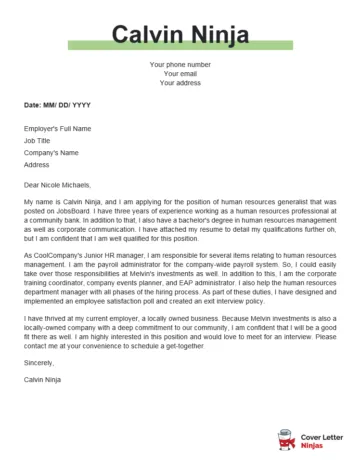
While technical skills are important, don’t forget to showcase your soft skills, such as communication, teamwork, and problem-solving. Provide examples of how you have demonstrated these skills in your previous roles. Soft skills are highly valued in the HR field, as they relate to collaboration, employee relations, and leadership. Demonstrate your ability to work effectively with others, resolve conflicts, and handle sensitive situations. Showing these skills can make you a more well-rounded candidate and illustrates your readiness to contribute to the company’s culture and team dynamics. Illustrate your ability to create positive interactions and build trust with colleagues.
Demonstrating Company Knowledge
Show the hiring manager that you have researched the company and understand its mission, values, and goals. Mention something specific that resonates with you or aligns with your values. This could be a recent company achievement, a specific initiative, or its approach to its employees. Tailor your cover letter to specifically connect to the company by demonstrating an understanding of the organization’s culture and the role you hope to take. Showing this research demonstrates your interest and genuine enthusiasm for the opportunity, making your application stand out by emphasizing your commitment and understanding of the company’s long-term aims.
Closing Paragraph: Call to Action
Your closing paragraph should reiterate your interest in the position and include a call to action. Express your enthusiasm for the opportunity to discuss your qualifications further. State your availability for an interview and provide your contact information again, for ease of reference. Avoid vague statements like ‘I look forward to hearing from you.’ Instead, use a proactive statement such as ‘I am eager to discuss how my skills can contribute to your team and am available for an interview at your earliest convenience.’ This encourages the hiring manager to take the next step, increasing your chances of receiving a call.
Expressing Enthusiasm

Show your genuine interest in the role and the company. Convey your excitement to learn more about the opportunity and the chance to contribute to the team. Use positive language and enthusiastic phrasing to demonstrate your passion for HR. This can be achieved by mentioning specific aspects of the job that excite you or areas where you are eager to apply your skills. An enthusiastic tone can make a lasting impression and make the recruiter more likely to consider you seriously as a candidate. Conveying enthusiasm can make you seem more personable and more likely to be a great fit with the company.
Thanking the Reader
Always thank the reader for their time and consideration. Express your gratitude for them reviewing your application and considering you for the position. A simple thank-you note shows your respect and appreciation for their efforts. This small gesture can leave a positive final impression, demonstrating your professionalism and courtesy. It can also contribute to a better overall perception of your application, contributing to its memorability. The acknowledgment helps create a sense of closure.
Proper Formatting and Presentation
The formatting and presentation of your HR cover letter are as important as its content. A well-formatted letter is easy to read and shows attention to detail. Poor formatting can detract from your message and create a negative impression. The layout must be organized, professional, and easy on the eye. Consider the font, spacing, and overall appearance of your letter to make sure it’s appealing and professional.
Font and Readability

Choose a professional font that is easy to read, such as Times New Roman, Arial, or Calibri. Use a font size between 10 and 12 points. Ensure there is sufficient spacing between paragraphs and lines, and use a clear and consistent layout. Avoid using fancy or overly decorative fonts, as these can make your letter difficult to read. The goal is to create a clean and well-organized document that is easy for the recruiter to review. Maintaining a clean and consistent format contributes to a positive first impression.
Proofreading and Editing
Before submitting your cover letter, carefully proofread and edit it for any typos, grammatical errors, or inconsistencies. Have a friend or family member review it as well. Errors can undermine your credibility and make you look unprofessional. Pay attention to the details, such as proper use of commas, capitalization, and sentence structure. Ensure the language is clear and concise, conveying your message effectively. Thorough proofreading shows attention to detail and your commitment to excellence, making a positive impression on the hiring manager.
Common Mistakes to Avoid
Avoiding common mistakes can significantly improve your chances of success. Being aware of these pitfalls allows you to make better choices, create a more appealing cover letter, and ultimately increase your success. Some mistakes can make a negative impression and can result in the recruiter moving on to other candidates.
Generic Content

Avoid using a generic cover letter that is not tailored to the specific job or company. Customize each letter to demonstrate your understanding of the role and the company’s needs. Generic content shows a lack of effort and interest, which can make it seem like you aren’t genuinely invested in the position. Research the company, learn about their culture, and then highlight specific skills or experiences that align with their requirements. A customized cover letter will demonstrate your ability to present yourself uniquely to this particular job.
Typos and Grammatical Errors
Typos and grammatical errors can undermine your credibility and make you appear unprofessional. Always proofread your cover letter carefully before submitting it. Use spell-check and grammar-check tools, but also have a friend or family member review your letter. These errors detract from the overall impression you make, and it can also reflect on your attention to detail, which is critical in HR. Ensure you present your qualifications effectively by having error-free content.
Ignoring the Job Description
Failing to address the requirements outlined in the job description is a major mistake. Carefully review the job description and highlight how your skills and experience align with their needs. Tailor your letter to the specific requirements and use keywords from the job description. If you don’t address the specific expectations, the hiring manager may think you didn’t understand the requirements. Addressing the expectations gives the hiring manager the sense that you are the perfect fit.
Overly Formal or Informal Tone

Finding the right tone is critical. Avoid being overly formal, which can make you appear distant. Also, avoid being overly informal, which can come across as unprofessional. Strive for a professional and friendly tone that reflects your personality while still maintaining a professional demeanor. The best tone is one that demonstrates respect, enthusiasm, and clear communication, allowing the hiring manager to understand your skills and capabilities easily. Striking the right balance will help you establish a positive impression and create a better chance of success.
HR Cover Letter Examples
Reviewing HR cover letter examples can provide valuable insights into how to structure your letter and highlight your qualifications. These examples can give you inspiration for your own application. The best way to prepare is to adapt these examples to reflect your unique skills and accomplishments. Make sure you’re highlighting the right parts of the job description.
Entry-Level HR Cover Letter Example
For entry-level positions, focus on your education, relevant coursework, internships, and any volunteer or extracurricular activities that demonstrate your interest in HR. Highlight your soft skills, such as communication, teamwork, and organizational abilities. Show your eagerness to learn and contribute to the team. Tailor your cover letter to demonstrate your passion for the HR field, your willingness to learn, and your commitment to contributing to the company’s success. Mention any HR-related courses or projects that you have completed to showcase your foundational knowledge.
Experienced HR Professional Cover Letter Example
Experienced HR professionals should focus on their accomplishments and quantifiable results. Showcase your ability to lead, manage, and implement HR initiatives. Provide specific examples of how you have improved processes, reduced costs, or increased employee satisfaction. Highlight your leadership skills, your strategic thinking, and your ability to drive positive change within an organization. Demonstrate how you have developed and executed successful HR programs. Emphasize your ability to handle complex HR challenges and deliver tangible results.
HR Cover Letter Template
A template can be a useful starting point for creating your cover letter. Numerous templates are available online. However, remember to customize the template to reflect your unique qualifications and the specific requirements of the job. Use the template as a guide to ensure you include all the necessary components. Make the template your own by adding your experience and highlighting your skills.
Customizing the Template
Customize the template by replacing the placeholder information with your own details and tailoring it to the job description. Tailoring the template to the job requirements will make your letter more relevant and impactful. Don’t simply copy and paste; customize the template to demonstrate your unique skills, experience, and the reasons why you’re the best fit for the role. Customize the template by incorporating your personal experiences and achievements.
Adding Your Information
Fill in your contact information, address the hiring manager by name, and tailor the content to reflect your skills and experience. Add details about your qualifications and accomplishments to make the letter stand out. Customizing the template with your specific details will make your cover letter more compelling and impactful. Ensure that all the information you are providing is accurate and up-to-date. Make sure the information is relevant and highlights the skills that are relevant to the role. Take your time with the content so that you may tailor it in the best way.