Understanding the Power of a Human Services Cover Letter
In the competitive field of human services, a well-crafted cover letter is not just a formality; it’s your first opportunity to make a lasting impression. It serves as a crucial introduction, going beyond the basics of your resume to demonstrate your passion, skills, and suitability for the role. Think of it as a personalized narrative, showcasing your unique qualifications and aligning them with the specific needs of the organization and the position you are applying for. This is your chance to highlight your understanding of the challenges and rewards inherent in human services and to express your genuine desire to make a difference in the lives of others. By thoughtfully composing this document, you position yourself as a dedicated and qualified candidate, increasing your chances of securing an interview and ultimately, your dream job.
Why Your Cover Letter Matters
Your resume provides a snapshot of your professional history, but your cover letter gives you the space to tell your story. It allows you to elaborate on your experiences, providing context and depth that a list of job titles and responsibilities cannot. It’s where you can showcase your communication skills, demonstrating your ability to articulate your thoughts and ideas clearly and persuasively. Moreover, a cover letter lets you address any potential gaps or concerns in your resume, offering explanations or additional information that strengthens your application. In human services, where empathy, compassion, and interpersonal skills are highly valued, your cover letter is an invaluable tool for demonstrating these qualities, setting you apart from other applicants and highlighting your suitability for the role. It’s not just about listing what you’ve done; it’s about showing why you’re the best fit.
Key Elements to Include

A compelling cover letter for human services should include several essential elements. Start with a strong opening that immediately grabs the reader’s attention, clearly stating the position you are applying for and expressing your enthusiasm for the opportunity. In the body of the letter, provide concise examples that highlight your relevant skills and experiences, such as case management, crisis intervention, or community outreach. It is also vital to discuss your understanding of the organization’s mission and values and explain how your goals align with theirs. Don’t forget to address any specific requirements or qualifications mentioned in the job description, showing how you meet those needs. Conclude with a confident closing that reiterates your interest in the position and includes a call to action, such as requesting an interview. This structure will help you create a professional, organized, and persuasive cover letter.
Tailoring Your Cover Letter
Researching the Organization
Before you start writing, invest time in thoroughly researching the organization. Visit their website, read their mission statement, and explore their recent initiatives. Understand the specific services they provide, the populations they serve, and their core values. This information will inform your cover letter, allowing you to tailor your message to their specific needs and priorities. Demonstrating that you have taken the time to learn about the organization shows your genuine interest and commitment. Reference specific projects, programs, or values that resonate with you, highlighting how your skills and experiences align with their work. This personalized approach will make your application stand out from generic submissions, signaling to the hiring manager that you are a well-informed and motivated candidate.
Highlighting Relevant Skills and Experience

Your cover letter is your opportunity to showcase your skills and experiences that directly relate to the job description. Analyze the requirements listed in the job posting and identify the skills that the employer is looking for. Then, provide specific examples from your past experiences that demonstrate those skills in action. Instead of simply stating that you have strong communication skills, describe a situation where you successfully communicated with a client or a team member to achieve a positive outcome. Quantify your achievements whenever possible. For instance, if you managed a caseload, mention the number of clients you served or any improvements in their outcomes. This concrete evidence will make your claims more credible and impactful, proving your ability to perform the duties of the position effectively.
Demonstrating Passion for Human Services
Human services is a field driven by passion and empathy, and your cover letter should reflect these qualities. Convey your sincere interest in helping others and making a difference in the lives of those you serve. Share what inspires you about human services, what motivates you to work with vulnerable populations, and what aspects of the work resonate with you most. You can mention specific experiences that shaped your commitment to this field or a particular population you are passionate about helping. Let the hiring manager see your genuine enthusiasm and commitment to the mission of the organization. This expression of your passion is critical, as it suggests that you will bring dedication, compassion, and a positive attitude to the role, all of which are invaluable in this field.
Showcasing Your Achievements
Don’t shy away from highlighting your accomplishments. Use your cover letter to demonstrate the impact you’ve made in previous roles. Quantify your achievements to provide concrete evidence of your success. For example, you could mention an increase in client satisfaction scores, the successful implementation of a new program, or a significant improvement in a specific client outcome. Use the STAR method (Situation, Task, Action, Result) to provide detailed accounts of your accomplishments. Describe the situation you were in, the task you had to complete, the actions you took, and the positive results you achieved. This approach helps the reader understand the context and appreciate the full scope of your achievements, making your application more compelling and memorable.
Formatting and Style

Choosing the Right Tone
The tone of your cover letter is crucial in establishing your credibility and demonstrating your professionalism. Maintain a tone that is professional and respectful, without being overly formal. Strike a balance between enthusiasm and sincerity, letting your passion for human services shine through, while also presenting yourself as a competent and reliable candidate. Avoid using slang or overly casual language. Instead, use clear, concise language, emphasizing your skills, experiences, and qualifications in a way that is both engaging and easy to understand. Tailor your tone to match the organization’s culture and values, which you can often infer from their website and job description. This will help ensure that your cover letter resonates with the hiring manager and leaves a positive impression.
Formatting Tips
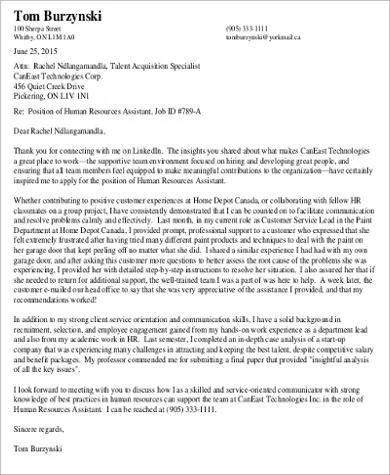
Proper formatting makes your cover letter easy to read and visually appealing. Use a standard font, such as Arial or Times New Roman, in a size between 11 and 12 points. Use a clear and consistent structure with appropriate spacing between paragraphs and sections. Start with your contact information, the date, and the hiring manager’s contact information. Keep the letter concise, aiming for one page whenever possible. Break up large blocks of text with bullet points or short paragraphs to enhance readability. Ensure there are no spelling or grammatical errors. The overall appearance of your cover letter reflects your attention to detail and professionalism, so take the time to format it effectively.
Proofreading and Editing
Thorough proofreading and editing are essential steps in the cover letter writing process. Errors in spelling, grammar, and punctuation can undermine your credibility and diminish your chances of getting an interview. After completing your draft, review it multiple times, focusing on different aspects each time. Check for spelling and grammar errors, making sure your sentences are clear and concise. Ensure that your tone is appropriate and that your formatting is consistent. Consider having a trusted friend or colleague proofread your cover letter for you. A fresh pair of eyes can often catch errors that you might have missed. By investing the time to proofread and edit your cover letter, you demonstrate your attention to detail, professionalism, and commitment to excellence.
Top 7 Cover Letter Tips for Human Services
Tip 1 Focus on the Organization’s Needs
Center your cover letter around what the organization needs and how you can meet those needs. Study the job description closely and identify the key skills and qualifications required. Then, highlight your experiences and skills that align with these requirements. Show the hiring manager that you understand their priorities and are prepared to contribute to their mission. By tailoring your letter to the specific needs of the organization, you demonstrate your understanding of their work and increase your chances of being seen as a good fit.
Tip 2 Quantify Your Accomplishments

Use numbers and data to demonstrate the impact of your work. Instead of saying you “managed a caseload,” state the number of clients you served and any positive outcomes you achieved. Quantifying your accomplishments provides concrete evidence of your skills and abilities. This will make your claims more credible and allow the hiring manager to clearly see your value.
Tip 3 Showcase Your Soft Skills
Human services requires excellent soft skills, such as empathy, communication, and problem-solving. Highlight these skills in your cover letter by providing examples of how you have used them in past roles. Describe how you effectively communicated with clients or resolved conflicts. Demonstrate your ability to build rapport, work collaboratively, and handle difficult situations. These skills are highly valued in this field, so make sure to showcase them.
Tip 4 Tailor to Each Job
Avoid using a generic cover letter for every application. Each organization and job posting is unique. Tailor your cover letter to the specific requirements and needs of each position. Show the hiring manager that you have taken the time to understand their organization and that you are genuinely interested in the role. Customizing your cover letter increases your chances of standing out from the competition and securing an interview.
Tip 5 Use Keywords

Use keywords from the job description throughout your cover letter. Many organizations use applicant tracking systems (ATS) to screen applications. By including relevant keywords, you increase the chances that your application will be noticed. Integrate these keywords naturally into your writing, avoiding keyword stuffing, and making sure that your letter flows smoothly.
Tip 6 Proofread Meticulously
Proofread your cover letter carefully for any errors in grammar, spelling, or punctuation. Mistakes can undermine your credibility and reduce your chances of getting an interview. Ask a friend or colleague to review your letter as well. A fresh pair of eyes can often catch errors you might have missed. A polished, error-free cover letter demonstrates your attention to detail and professionalism.
Tip 7 Follow Up
Follow up on your application a week or two after submitting it. Send a brief email expressing your continued interest in the position and asking if they require any further information from you. This shows your enthusiasm and initiative. It can also help you stay top of mind with the hiring manager.
Conclusion
A well-crafted cover letter is a critical component of a successful job application in the human services field. By following these tips, you can create a cover letter that showcases your skills, experience, and passion for the role. Remember to tailor your letter to each job, highlight your achievements, and demonstrate your genuine interest in the organization and its mission. Take the time to proofread and edit your work carefully. With a thoughtful and professional cover letter, you’ll be well on your way to landing your dream job and making a meaningful difference in the lives of others.