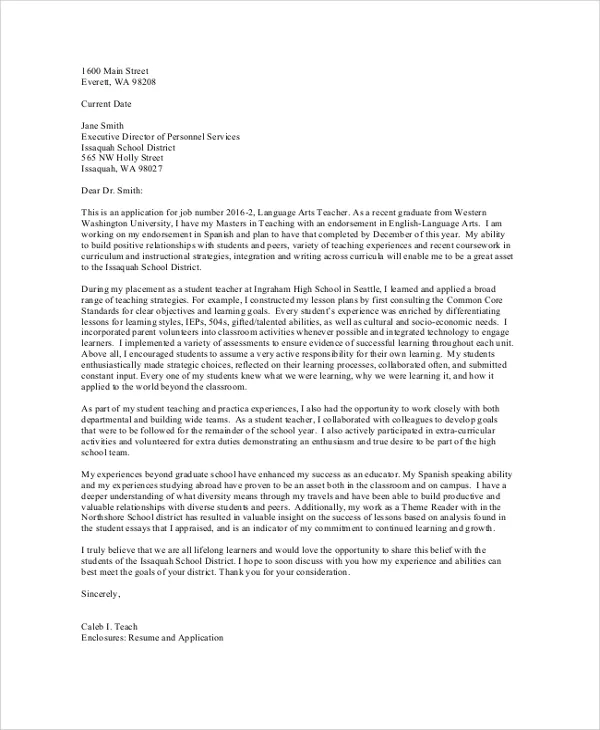
What is a Cover Letter
A cover letter is a crucial document that accompanies your resume when applying for a job. It serves as your first introduction to a potential employer, providing an opportunity to expand on the information presented in your resume and showcase your personality, skills, and enthusiasm for the position. It’s more than just a formality; it’s a vital tool in making a positive first impression and demonstrating why you’re the ideal candidate.
Why You Need a Cover Letter
While a resume provides a summary of your work history and qualifications, a cover letter allows you to connect with the hiring manager on a more personal level. It allows you to explain your career goals, highlight your relevant experiences in detail, and demonstrate your genuine interest in the specific role and company. A well-crafted cover letter can significantly increase your chances of getting an interview by setting you apart from other applicants who may only submit a resume.
Key Components of a Cover Letter

A compelling cover letter follows a clear structure, ensuring that all necessary information is included. This structure generally includes a header, an opening paragraph, body paragraphs, and a closing paragraph. Each section plays a specific role in conveying your message effectively, from providing contact details to expressing your enthusiasm for the opportunity. Mastering these key components is essential for a strong cover letter.
Header Information
The header is the top section of your cover letter, and it contains essential contact details. This ensures the hiring manager can easily reach you. It includes your name, address, phone number, and email address, making it easy for the recruiter to contact you quickly and efficiently. Using a professional font and formatting ensures that the header is clear and visually appealing.
Your Contact Information
Ensure your contact information is accurate and up-to-date in the header. This includes your full name, physical address (or city and state), phone number, and a professional-looking email address. Double-check all details to avoid any errors that could prevent the hiring manager from contacting you. A well-formatted header shows attention to detail and professionalism.
Date

Include the current date below your contact information in the header. This helps the hiring manager know when you submitted your application and adds a layer of professionalism. Use a standard date format, such as Month Day, Year (e.g., January 1, 2024). The date should align with the other elements in your header for a clean, organized look.
Recipient’s Information
Address your cover letter to the hiring manager or the specific person mentioned in the job posting. Research the company website or LinkedIn to find the name and title of the person who will be reviewing your application. If you can’t find a specific name, use a general greeting like ‘Dear Hiring Manager’ or ‘Dear [Department Name] Team’. Personalizing your cover letter shows that you have taken the time to research the company and demonstrates your interest in the role.
Opening Paragraph
The opening paragraph is your first chance to grab the hiring manager’s attention. Start by clearly stating the position you are applying for and where you found the job posting. Briefly mention your most relevant qualifications or experiences that align with the job requirements. Make your opening concise and impactful, immediately signaling your interest in the position.
State Your Purpose

Clearly state the specific position you are applying for in your opening paragraph. This ensures the hiring manager knows exactly which role you are targeting. Include the job title as it appears in the job posting. Briefly mention where you found the job posting, such as the company’s website, a job board, or a professional contact. This provides context for your application and shows your awareness of the application process.
Highlight Your Key Skills and Experiences
In your opening, briefly mention one or two key skills or experiences that make you a strong fit for the role. This immediately captures the hiring manager’s interest by highlighting what makes you qualified. Make sure your opening paragraph is concise, engaging, and sets the tone for the rest of your cover letter. This will encourage the reader to delve into the details in your body paragraphs.
Body Paragraphs
The body paragraphs form the core of your cover letter. Here, you provide detailed information about your skills, experiences, and accomplishments. Focus on showcasing how your qualifications align with the specific requirements of the job. Tailor your content to match the needs of the position, using specific examples to demonstrate your abilities. Each paragraph should highlight a different aspect of your suitability for the role.
Showcase Relevant Skills and Accomplishments

Use your body paragraphs to provide concrete examples of your skills and accomplishments. Instead of simply listing your skills, describe how you have used them in previous roles to achieve results. Quantify your achievements whenever possible by using numbers or data to illustrate your impact. This demonstrates the value you can bring to the company. The more specific you are, the more convincing you will be.
Tailor Your Cover Letter to the Job Description
Carefully review the job description and tailor your cover letter to the specific requirements and keywords used. Highlight the skills and experiences that the employer is looking for and use similar language to match the tone and style of the job posting. Showing that you understand the role and the company’s needs increases your chances of getting an interview. The more relevant your cover letter is, the better.
Use Action Verbs
Use strong action verbs to describe your accomplishments and responsibilities. Action verbs create a sense of energy and make your cover letter more engaging. Start your sentences with verbs like ‘managed,’ ‘developed,’ ‘implemented,’ ’led,’ and ‘achieved.’ Action verbs also make your cover letter more dynamic and help demonstrate your capabilities. This makes your writing more lively and gives the hiring manager a clear idea of your past performance.
Quantify Your Achievements

Whenever possible, quantify your accomplishments to demonstrate your impact. Use numbers, percentages, or data to illustrate your achievements. For example, instead of saying ‘Improved sales,’ say ‘Increased sales by 15% in one quarter.’ Quantifying your achievements makes your accomplishments more tangible and credible. These types of details showcase your ability to drive results and add value to the company.
Closing Paragraph
The closing paragraph is your final opportunity to make a strong impression. Reiterate your interest in the position and the company, and express your enthusiasm for the opportunity to contribute. Include a call to action, such as inviting the hiring manager to contact you for an interview. End your cover letter on a positive and professional note, leaving a lasting impact.
Express Your Enthusiasm
Reiterate your interest in the position and express your genuine enthusiasm for the opportunity to contribute to the company. Show that you have researched the company and understand their mission and values. Tailor your enthusiasm to the specific role and the company’s needs. This helps create a connection with the hiring manager and makes your application more memorable.
Call to Action

Include a clear call to action in your closing paragraph. Invite the hiring manager to contact you for an interview or to discuss your qualifications further. Make it easy for the hiring manager to take the next step. Keep your call to action polite, confident, and professional. A strong call to action will give the hiring manager a clear and encouraging path forward.
Formatting and Presentation
The appearance of your cover letter is as important as the content. A well-formatted cover letter demonstrates professionalism and attention to detail. Use a clean, easy-to-read font, consistent margins, and proper spacing. Ensure your cover letter is visually appealing and easy to read. Good formatting helps the hiring manager focus on your qualifications.
Font and Font Size
Choose a professional and readable font, such as Times New Roman, Arial, or Calibri. Use a font size between 10 and 12 points to ensure readability. Make sure your font is consistent throughout the entire document, and avoid using overly decorative fonts. This improves the visual appeal of your cover letter and helps the hiring manager read it easily.
Margins and Spacing
Set consistent margins (typically 1 inch) on all sides of your cover letter. Use single or 1.15 line spacing for the body of the text. Ensure that there is a blank line between paragraphs to improve readability. Consistent margins and spacing make your cover letter visually appealing and easy to read. Proper spacing ensures a clean and professional presentation.
Proofreading and Editing
Proofreading and editing your cover letter is essential to catch any errors in grammar, spelling, and punctuation. Errors can undermine your credibility. Review your cover letter multiple times, and consider having a friend or family member review it as well. Ensure your cover letter is error-free, as this reflects professionalism. A polished cover letter demonstrates attention to detail and a commitment to quality.
Common Mistakes to Avoid
Avoiding common mistakes is key to writing a successful cover letter. Avoid generic cover letters, typos, grammatical errors, and exceeding the recommended length. Focus on highlighting relevant skills and experiences, and tailor your letter to each specific job application. Avoiding these common pitfalls will significantly increase your chances of success.
Generic Cover Letters
Avoid using a generic cover letter that you send to every job application. Tailor your cover letter to each specific job and company to demonstrate your genuine interest and understanding of the role. Generic cover letters show a lack of effort and make it less likely for your application to stand out. Personalization demonstrates your interest and attention to detail.
Typos and Grammatical Errors
Typos and grammatical errors can damage your credibility and create a negative impression. Always proofread your cover letter carefully before submitting it. Use grammar and spell-checking tools, and have someone else review your cover letter as well. Errors indicate a lack of attention to detail and professionalism. Ensuring that your cover letter is error-free is essential.
Length
Keep your cover letter concise and to the point. Aim for a maximum of one page. Hiring managers are busy and do not have time to read lengthy documents. Focus on highlighting your most relevant skills and experiences. Ensure your cover letter is easy to read and quickly conveys your qualifications.
Cover Letter Examples and Templates
Use cover letter examples and templates as a starting point for your own application. These resources can provide guidance on formatting, structure, and content. Adapt the templates to your specific needs and customize them with your own details. Examples and templates can help you understand the nuances of writing an effective cover letter.