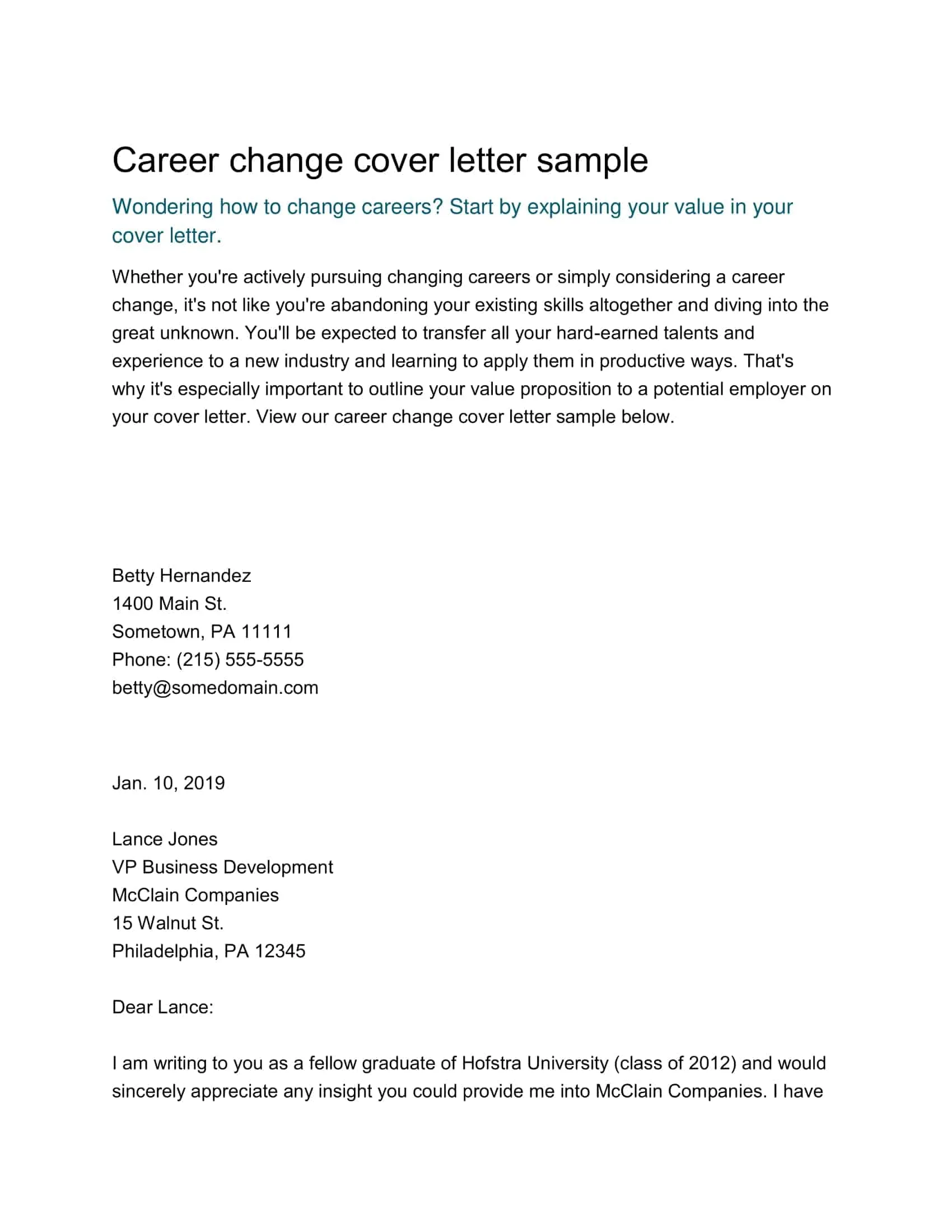
Changing jobs can be an exciting step in your career, but it often requires a strategic approach. A well-crafted cover letter becomes your essential tool for highlighting your skills and experiences. It allows you to address the reasons for your career shift, demonstrate your understanding of the new role, and convince the hiring manager that you are the ideal candidate. This guide provides you with five essential tips to write a compelling cover letter that will significantly boost your chances of getting hired. Get ready to transform your cover letter into a powerful asset in your job search.
Why You Need a Job Change Cover Letter
When you’re changing jobs, a cover letter is more critical than ever. It gives you a chance to explain why you’re making this move and what you bring to the table that makes you a great fit for the new role. It’s your first opportunity to make a positive impression. It allows you to tell your story and connect your past experiences to the requirements of the job you are applying for. A cover letter demonstrates your interest, enthusiasm, and your commitment to the new position. It’s the chance to put your best foot forward and convince the hiring manager that you’re the right person for the job.
Highlighting Transferable Skills
One of the most effective ways to stand out is to highlight your transferable skills. These are skills you’ve gained in previous roles that are relevant to the job you’re applying for. It’s about showing how your experiences make you capable of succeeding in a different environment. This demonstrates your adaptability and your capacity to bring value to the new organization.
Identify Relevant Skills

Start by carefully reviewing the job description. Identify the key skills and qualifications the employer is looking for. Then, brainstorm your own skills and experiences, focusing on those that align with the job requirements. Consider skills like communication, problem-solving, leadership, and project management. The more relevant your skills are, the better your chances of capturing the attention of the hiring manager.
Quantify Achievements
Instead of just listing your skills, quantify your achievements with data whenever possible. Use numbers, percentages, and specific examples to demonstrate your impact in previous roles. This is where the impact of your skills can be clearly observed and understood. Instead of saying “Improved customer satisfaction”, you could say, “Increased customer satisfaction scores by 15% through the implementation of a new feedback system”. This provides concrete evidence of your abilities and makes your accomplishments more impactful and memorable.
Addressing the Reason for Leaving
When changing jobs, you need to address the reason for your departure from your previous role. This shows that you are not hiding anything. Be transparent and concise, but avoid going into excessive detail. Focus on positive aspects such as career growth, new opportunities, or skill enhancement. The key is to be honest without being overly negative.
Be Positive and Forward-Looking

Frame your explanation in a positive light, emphasizing what you are seeking in your next role rather than what you were trying to avoid in your previous one. Instead of focusing on the problems or dissatisfaction of your last job, emphasize your goals for the future and how the new role aligns with your career aspirations. This shows that you have a vision for yourself and that you are motivated to grow.
Avoid Negative Language
Refrain from using negative language or criticizing your previous employer or colleagues. It is important to maintain a professional tone throughout your cover letter. Avoid using phrases that might portray you in a negative light. This ensures that your cover letter reflects professionalism and maturity. Even if you had a bad experience in your previous role, it’s best to focus on the positives and what you’ve learned.
Showcasing Your Research
Demonstrate that you’ve done your homework on the company and the role. This shows genuine interest and initiative. Research the company’s mission, values, and recent projects. Tailor your cover letter to show that you understand the company’s culture and the specific requirements of the job. This level of customization shows that you are truly interested in this opportunity.
Demonstrate Company Alignment

In your cover letter, show how your skills, experiences, and values align with the company’s. Highlight specific aspects of the company’s work that resonate with you, and explain how you can contribute to their success. Demonstrating this alignment enhances your chances of making a strong impression. It shows that you are not just looking for a job but that you are committed to contributing to the company’s goals.
Tailoring Your Cover Letter
Avoid using a generic cover letter. Customize each cover letter to match the specific requirements of the job and the company. Tailoring demonstrates that you’ve put in the effort. It helps you stand out from the crowd. Customization shows that you are genuinely interested in the role and that you have carefully considered how your skills align with the company’s needs.
Customizing for Each Application
Carefully review the job description and customize your cover letter to highlight the skills and experiences that are most relevant. Use the keywords from the job description to show the hiring manager you are a good fit. This targeted approach makes your cover letter more effective. It shows the hiring manager that you’ve taken the time to understand the specific requirements of the role and that you are dedicated to meeting those needs.
Keywords Optimization

Incorporate relevant keywords from the job description into your cover letter naturally. This helps your application pass through Applicant Tracking Systems (ATS) and ensures that your cover letter is seen by the hiring manager. Keywords help you stand out and allow the hiring manager to quickly understand your expertise. Ensure that the keywords fit naturally into your sentences. Avoid keyword stuffing.
Format and Tone
The format and tone of your cover letter are critical for making a professional impression. Your cover letter should be easy to read and reflect your personality. Proper formatting and tone contribute significantly to your overall presentation and make your cover letter more effective. Choose a professional format that is clean, concise, and easy to read. Proofread meticulously for any errors.
Professional Formatting
Use a professional format with a clear layout. Choose a readable font like Arial, Times New Roman, or Calibri. Keep your paragraphs concise, use bullet points when necessary, and ensure your cover letter is well-organized. A well-formatted cover letter is a reflection of your attention to detail and professionalism.
Choosing the Right Tone

Adopt a professional and enthusiastic tone. Express your excitement for the opportunity. Be genuine. Make sure your writing is clear, concise, and free of jargon. Your tone should match the company culture, so consider the company’s values and adjust your tone accordingly. Ensure that your cover letter reflects your personality and demonstrates your enthusiasm for the role.
Call to Action and Contact Information
End your cover letter with a strong call to action and clear contact information. Let the hiring manager know that you are looking forward to hearing from them. Be clear and provide all the necessary contact details to make it easy for them to reach you. This ensures that the hiring manager knows how to contact you, and it shows your enthusiasm.
Express Enthusiasm
Conclude your cover letter by expressing your enthusiasm for the opportunity and your eagerness to discuss your qualifications further. Thank the hiring manager for their time and consideration. This final touch shows your enthusiasm and professionalism. A strong closing statement can leave a lasting impression and significantly increase your chances of getting an interview.
Provide Clear Contact Details

Include your full name, phone number, email address, and LinkedIn profile URL (if applicable). Make it easy for the hiring manager to contact you. Double-check your contact information for accuracy. Providing accurate and accessible contact information makes it easier for the hiring manager to reach you quickly. Always ensure that your contact details are correct.
By following these five tips, you can create a cover letter that highlights your skills, addresses your reasons for seeking a job change, and makes a positive impression on hiring managers. Remember to tailor your cover letter to each job application, showcase your transferable skills, quantify your achievements, and maintain a professional and enthusiastic tone. Good luck with your job search!