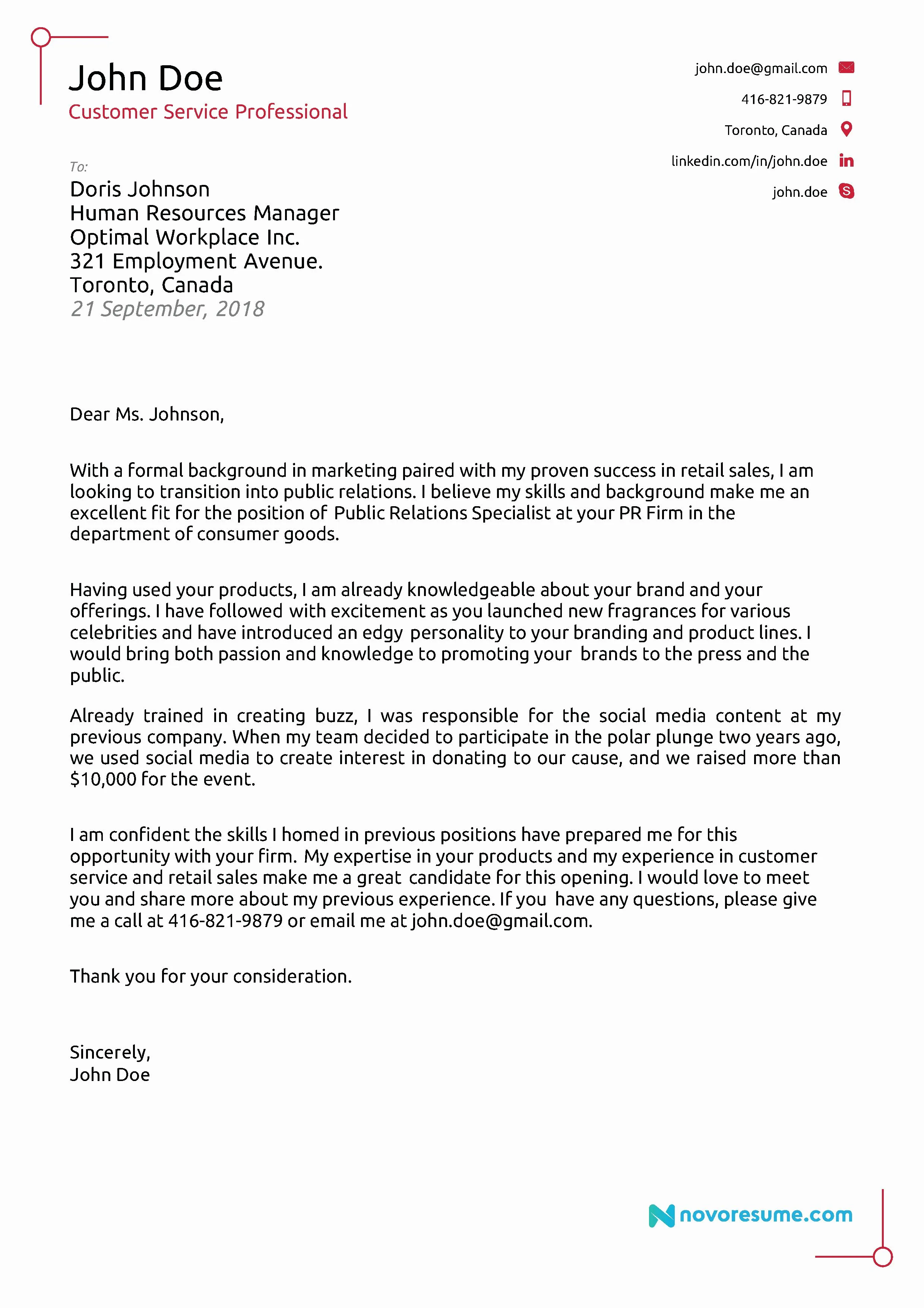
Cover Letter: Why It’s Essential
In the competitive landscape of job applications, a well-crafted cover letter serves as your initial introduction to a potential employer. Often submitted alongside your resume, it offers a crucial opportunity to showcase your personality, skills, and enthusiasm for the role. It’s not merely a formality but a strategic tool that can significantly enhance your chances of securing an interview. The cover letter should not be an afterthought, it is your initial statement and first opportunity to create a good impression. A cover letter is a critical tool to introduce yourself and grab the attention of the hiring manager. Think of it as the first step to make a lasting impact.
Understanding the Purpose of a Cover Letter
The primary purpose of a cover letter is to articulate your interest in a specific job and demonstrate how your qualifications align with the requirements outlined in the job description. It’s a chance to go beyond the bullet points of your resume and provide context to your experiences. This context is a significant advantage, as it lets you explain career gaps, relocation, and any other situation that can be beneficial to you and the hiring manager. Your cover letter provides an insight into your personality and how you communicate. It serves as a narrative that connects your skills and experience to the needs of the employer, which is a vital asset to help you get the job you want. The focus should be on your skills and explaining your passion for the role.
Highlighting Your Skills and Experience

Your cover letter should effectively highlight your skills and experience. While your resume details your accomplishments, the cover letter allows you to elaborate on them. Focus on the skills and experiences that are most relevant to the job you’re applying for, and provide specific examples to illustrate your abilities. Use this space to elaborate on your achievements using numbers and quantifying the results of your efforts. It’s a chance to show, not just tell, by providing real-world examples. By focusing on relevant skills and accomplishments, you can show your value to the potential employer. Always align your highlighted skills with the needs of the job description; you can achieve this by using relevant keywords, thus increasing the likelihood that your cover letter stands out.
Cover Letter Components
A well-structured cover letter typically includes several key components that help to make it a compelling and effective document. These components are the building blocks of a professional cover letter and provide a clear and organized presentation of your qualifications and interest in the job. These include your contact information, the opening paragraph, the body paragraphs, and the closing paragraph. Each section plays a specific role in conveying your message and convincing the reader that you’re the right candidate for the job. By understanding and implementing these key components, you can create a cover letter that captures the attention of hiring managers and increases your chances of landing an interview.
Contact Information
Begin your cover letter with your contact information. Include your full name, address, phone number, and professional email address. Also, include the date and the recipient’s information, such as their name, title, and the company’s address. This section ensures that the recruiter can easily reach you if they want to proceed to the next step of the hiring process, thus making sure that the letter can be identified as yours and allows easy access to your contact details. Double-check that all information is accurate and up-to-date; it’s a small detail that can make a significant difference in your application. Make sure the email address looks professional; avoid using nicknames or slang that could be taken negatively.
Opening Paragraph

The opening paragraph is your opportunity to grab the reader’s attention. Clearly state the position you’re applying for and how you found the job. Express your enthusiasm for the role and the company. Tailor this section to the specific job requirements. The opening sets the tone for the rest of your letter. Make sure the opening is compelling; it should highlight your interest and skills and show a basic understanding of the company and the job. Your goal is to create a positive first impression and encourage the reader to continue reading. Keep it concise, focusing on the most vital information to make sure the opening is powerful.
Body Paragraphs: Show, Don’t Tell
The body paragraphs are the heart of your cover letter. Here, you demonstrate how your skills and experiences align with the job requirements. Use specific examples and achievements to illustrate your qualifications. The key is to show, not just tell, by providing evidence of your abilities. Use the STAR method (Situation, Task, Action, Result) to structure your examples. This method will show the challenges you have faced and how you have dealt with them. Quantify your achievements whenever possible to make your impact more tangible. For instance, instead of saying ‘Improved sales’, say ‘Increased sales by 15% in six months’. Tailor the body paragraphs to the specific job description, highlighting the most relevant skills and experiences.
Tailoring Your Letter
A generic cover letter is easily spotted and often discarded. Tailoring your letter to each job is critical for success. Start by researching the company and the specific role, understand what the company stands for. Then, carefully review the job description and identify the key skills and qualifications the employer is seeking. Highlight the skills and experiences that match those requirements. This shows that you have the potential to fit into the company culture. By tailoring your cover letter, you show the hiring manager that you’ve taken the time to understand their needs and that you are genuinely interested in the opportunity. Personalized cover letters demonstrate your commitment and increase your chances of an interview.
Closing Paragraph

The closing paragraph should reiterate your interest in the position and thank the reader for their time and consideration. Express your enthusiasm for the opportunity to discuss your qualifications further and include a call to action. For example, you can say that you are eager to discuss your qualifications during an interview. Provide your contact information again, and state your availability for an interview. End on a positive and confident note. Make sure your closing is professional and leaves a lasting positive impression. Keep it concise and express your eagerness to move forward in the hiring process.
Formatting Your Cover Letter
The visual presentation of your cover letter is as important as the content. Proper formatting enhances readability and professionalism, making a positive first impression. Poor formatting can make your letter look cluttered and difficult to read. Using a clean layout and consistent formatting shows attention to detail and professionalism. By following these guidelines, you can create a cover letter that is both easy to read and visually appealing, thus helping you stand out from other applicants. Make sure your cover letter looks clear and professional. It should look neat and easy to follow, which will impress the hiring manager.
Font and Readability
Choose a professional and easy-to-read font, such as Arial, Calibri, or Times New Roman. Keep the font size between 10 and 12 points for optimal readability. Avoid using overly ornate or unconventional fonts. Ensure consistent font usage throughout the letter. Use bolding and italics sparingly, and only to emphasize key points. Prioritize readability over aesthetics; your goal is to make it easy for the hiring manager to understand your message. Use sufficient white space to prevent the document from looking cluttered. These practices contribute to a clean and polished presentation.
Margins and Spacing

Use standard one-inch margins on all sides of the page. This ensures that the text isn’t crammed together. Use single or 1.15 line spacing to improve readability. Double-space between paragraphs to visually separate ideas and make the document easier to scan. Ensure that your formatting is consistent throughout the letter. Proper margins and spacing create a balanced visual layout that makes the cover letter easier to read. Ensure there is sufficient white space around the text; it reduces visual fatigue and helps the reader focus on your content. Your layout can significantly impact the impression the reader gets.
Proofreading and Editing
Thorough proofreading and editing are essential to eliminate errors and enhance the professionalism of your cover letter. Check for grammar, spelling, and punctuation errors. Use a grammar checker tool, but also read the letter carefully yourself. Have someone else review your letter, because a fresh pair of eyes can easily catch mistakes you may have missed. Look for inconsistencies in formatting or tone. Ensure your cover letter is clear, concise, and error-free. Proofreading is a crucial step to present yourself as a detail-oriented and professional candidate; it shows you care. A polished cover letter can make a significant difference in how you are perceived by potential employers.
Common Cover Letter Mistakes
Avoiding common cover letter mistakes is crucial for making a positive impression. These mistakes can detract from your qualifications and diminish your chances of getting an interview. Being aware of these pitfalls can prevent your application from being overlooked. A cover letter full of errors can lead to instant rejection. Reviewing your work and avoiding these mistakes shows that you take care and consideration in your application. Always focus on the details to avoid mistakes, which will leave a positive image of you. Make sure that your cover letter is perfect, to impress the hiring manager.
Grammar and Spelling Errors

Grammar and spelling errors are among the most common and damaging mistakes in cover letters. These errors can undermine your credibility and make you appear careless. Always proofread your letter multiple times, and use grammar and spell-checking tools. However, these tools are not infallible. A second pair of eyes can often catch errors that you might miss. Make sure your grammar and spelling are perfect; it shows attention to detail. A well-written cover letter showcases your communication skills and professionalism, both highly valued by employers. Always edit your work thoroughly to make sure your application stands out.
Generic Cover Letters
Sending a generic cover letter without tailoring it to the specific job and company is a significant mistake. Generic cover letters lack personalization and often fail to demonstrate genuine interest in the role. Tailoring your cover letter to each job shows that you have taken the time to understand the requirements. Customize your cover letter to include relevant keywords from the job description. Generic cover letters can lead to the assumption that you are mass-applying for jobs and are not genuinely interested in the opportunity. Showing you put in the effort to tailor your letter will significantly increase your chances of securing an interview. Always remember to customize your cover letter.
Ignoring the Job Description
Failing to address the specific requirements of the job description is a critical mistake. The job description is a roadmap to what the employer is looking for. Carefully review the job description and identify the key skills, experiences, and qualifications that are listed. Highlight these in your cover letter, and provide specific examples of how you have met these requirements. This directly shows the hiring manager that you are a good fit. Failing to address the job description makes your application seem irrelevant. Your cover letter should be designed to answer the questions and challenges outlined in the description. Make sure your cover letter directly addresses the job description.
Cover Letter Examples and Templates

Using cover letter examples and templates can be a helpful starting point when crafting your own cover letter. They provide a structure and guidance. However, it is crucial to adapt these examples to your own qualifications and the specific job requirements. Consider these as a reference. This way, you can learn from them and adapt them to your needs. There is a wide range of templates available online, catering to various industries and job types. While templates can be a useful starting point, always customize them to reflect your skills and experiences. Cover letter examples help you format your application. Remember that it is important to tailor these examples for your use.
Cover Letter Examples for Different Industries
Different industries have different expectations for cover letters. Familiarize yourself with the conventions of your target industry. Research successful cover letters in your field. Analyze their tone, structure, and the skills they emphasize. Adapt your cover letter accordingly. The best cover letter is always tailored to the specific industry. By reviewing cover letter examples specific to your industry, you can gain valuable insights. Look at examples from similar job positions. Consider the common keywords and phrases used in your industry. Tailor your cover letter to suit the particular norms of the industry.
Cover Letter Templates for Various Situations
There are various cover letter templates available for different situations. Choose a template that best fits your needs. Examples include templates for entry-level positions, experienced professionals, career changers, and those applying for remote work. Choose a template that complements your experience and the specific job requirements. Edit the template to highlight your relevant skills and experiences. This will show a good understanding of the job application process. Always remember to personalize your template; a good template will get you started. Your template should have the right tone and structure for your job application.
Where to Find Cover Letter Examples and Templates

There are numerous online resources where you can find cover letter examples and templates. Websites such as Indeed, LinkedIn, and Resume.com offer free templates. Professional career websites often provide a range of downloadable templates, tailored to different industries and job levels. Use these resources to guide you. Reviewing these resources helps you understand the structure, format, and content of effective cover letters. Make sure your chosen template is appropriate for the job. Always adapt the examples to your own qualifications and the specific job requirements. This is essential to make sure your application stands out from the crowd.
Tips for Writing a Compelling Cover Letter
Writing a compelling cover letter requires more than just listing your qualifications. It involves strategic planning and a proactive approach. Implement a few critical strategies to make your cover letter stand out. These strategies will significantly boost your application and increase your chances of landing an interview. Focus on key skills that make you a good candidate. By using these key strategies, you can transform your cover letter from a simple formality into a powerful tool. Make sure you get the job you want by creating a compelling cover letter that will help you make an impression.
Research the Company
Before writing your cover letter, thoroughly research the company and the position. Understand the company’s mission, values, and culture. Tailor your letter to demonstrate how your skills and experiences align with the company’s goals. Highlighting your knowledge of the company is a great asset. Use the company’s website, social media profiles, and news articles to gather information. Show genuine interest in their work. Personalize your cover letter by mentioning specific projects. Researching the company helps show your motivation. This way, you can demonstrate your value to the employer and how you can help them achieve their goals.
Emphasize Achievements
Instead of merely listing your responsibilities, emphasize your achievements and accomplishments. Quantify your achievements whenever possible. Use metrics to demonstrate the impact of your work. This makes your accomplishments more tangible and impactful. Focus on the results you delivered. Your cover letter is an opportunity to tell the employer about your past successes. Frame your accomplishments using the STAR method. Highlight your achievements and show how you can make a difference. The goal is to illustrate your abilities and value to the employer.
Use Action Verbs
Use strong action verbs to describe your skills and experiences. Action verbs create a more dynamic and engaging narrative. Avoid using passive language. Instead, use active verbs to show your initiative and impact. Examples include ‘managed’, ’led’, ‘developed’, ‘implemented’, and ‘achieved’. Using powerful action verbs will make your cover letter more persuasive. By using action verbs, you can show how you have created a positive impact. A compelling and action-packed cover letter is more likely to impress hiring managers. Use active language to bring your skills and accomplishments to life, making it easier for the recruiter to understand your value.
Show Enthusiasm and Personality
Let your enthusiasm and personality shine through in your cover letter. While maintaining a professional tone, don’t be afraid to show your passion for the role and the company. Share why you are excited about the opportunity. Illustrate your enthusiasm by explaining your knowledge of the company, your dedication to the industry, and your desire to contribute. Express your personality through your writing style. Expressing your passion will make your application more memorable. Show your unique qualities and the value you can bring. This makes your letter more personable and memorable. Let your unique personality shine through to leave a positive impression on the recruiter.
Follow Up After Submitting
After submitting your cover letter and resume, consider following up with the hiring manager. Send a brief email to reiterate your interest in the position. Thank the hiring manager for their time and consideration. Reference the specific job and company. Follow up about a week after submitting your application. Make sure your follow-up is polite and professional. Following up shows your enthusiasm and proactive approach. Following up will help keep you top of mind. It demonstrates your continued interest in the position and may increase your chances of getting an interview. Keep the follow-up concise and professional.
Final Thoughts on Writing a Cover Letter
Writing a strong cover letter is a crucial step in your job search. A well-crafted cover letter will significantly increase your chances of getting an interview. Make sure your cover letter is tailored to each job. Be sure to highlight your skills and achievements. Proofread carefully and always follow up after submitting your application. With these tips, you can increase your chances of securing the job you want. Remember that it is a chance to showcase your personality and create a positive impression. Make the most of this opportunity; the cover letter is an essential tool. A well-written cover letter can set you apart from the competition.