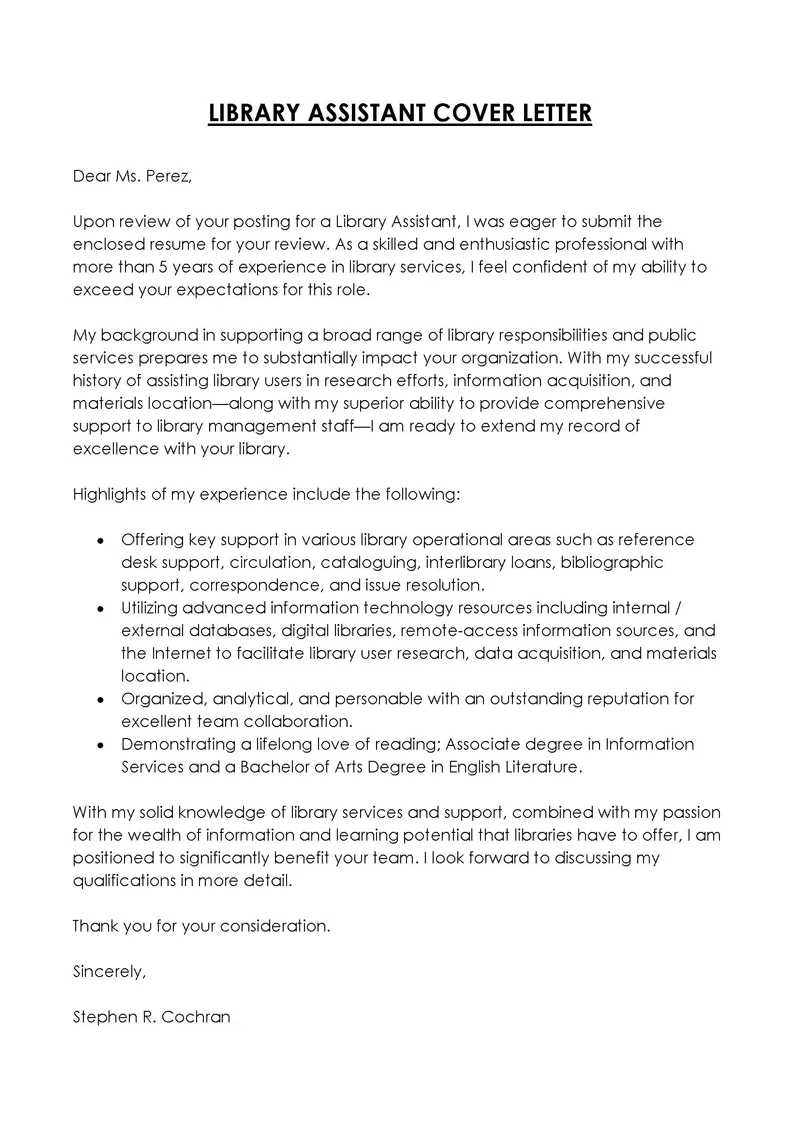
Landing a library job requires more than just a passion for books; it demands a compelling cover letter that highlights your relevant skills and experiences. This guide provides you with the essential steps to create a cover letter that will capture the attention of hiring managers and significantly increase your chances of securing an interview. By focusing on what employers are looking for and presenting yourself effectively, you’ll be well on your way to starting your career in a library. Let’s explore the key elements that make a cover letter stand out, helping you navigate the competitive job market and get hired fast.
Highlighting Your Skills for Library Jobs
Your cover letter is your opportunity to showcase the skills that make you an ideal candidate. Instead of merely listing your past roles, emphasize the skills you’ve acquired and how they align with the job’s requirements. This is where you demonstrate your understanding of the position and your ability to contribute to the library’s mission. By focusing on your capabilities, you give the hiring manager a clear picture of what you can bring to the role, setting you apart from other applicants.
Relevant Skills for Library Positions
Library positions demand a diverse set of skills. Your cover letter should highlight the skills most relevant to the specific job you’re applying for. Think about what the job description emphasizes and ensure your skills align with these needs. Demonstrating these skills convincingly will make your application more appealing to employers.
Information Literacy and Research Skills

Libraries are centers of information, so demonstrating your proficiency in information literacy and research is critical. Highlight your experience in finding, evaluating, and using information effectively. This includes using databases, conducting literature searches, and helping patrons with their research needs. Showing that you can navigate information resources with ease is essential for success in any library role.
Cataloging and Organization Skills
Cataloging and organizing materials are vital for any library’s efficiency. If you have experience with cataloging systems like Dewey Decimal or Library of Congress, be sure to mention it. Showcase your attention to detail and your ability to maintain accurate records. Mention experience in shelving, inventory management, or any other organizational tasks. Highlighting these skills tells the hiring manager that you can help maintain an orderly and accessible collection.
Customer Service and Communication Skills
Libraries are community hubs. Highlighting your excellent customer service and communication skills is essential. Mention your ability to interact with people of diverse backgrounds, resolve conflicts, and explain information clearly. Give examples of your experience in assisting patrons, answering inquiries, and providing a welcoming environment. Strong communication skills ensure that you can effectively assist library users and contribute to a positive library experience.
Tailoring Your Cover Letter

A generic cover letter won’t impress; you must tailor your letter to each job application. Customization shows the hiring manager that you’ve put in the effort to understand their needs and that you’re genuinely interested in the position. Tailoring your cover letter demonstrates your attention to detail and your proactive approach.
Researching the Library and the Role
Before you start writing, research the library and the specific role. Understand their mission, services, and target audience. Look at their website, social media, and recent news. Knowing about the library’s initiatives helps you align your skills and experience with their specific needs. This research will help you customize your letter and show that you’re a well-informed applicant.
Addressing the Specific Job Requirements
Carefully review the job description and highlight the skills and experiences that match their requirements. Use keywords from the job posting to show that you’re a great fit. Explain how your past experiences have prepared you for this role. By directly addressing the job’s needs, you show the hiring manager that you possess the necessary qualifications.
Showcasing Your Achievements

Don’t just list your responsibilities; showcase your achievements. Quantify your accomplishments whenever possible. Did you improve efficiency? Increase patron engagement? Use action verbs to describe your accomplishments and highlight the positive impact you’ve made in previous roles. Achievements make your cover letter more compelling and demonstrate the value you bring.
Formatting and Structure
A well-formatted cover letter is easy to read and professionally presented. It leaves a positive impression on the hiring manager and shows your attention to detail. Ensure your cover letter has a clear structure, is free from errors, and is visually appealing. Good formatting highlights your professionalism.
Creating a Strong Opening
Your opening paragraph is your first impression. Grab the reader’s attention by stating the position you’re applying for and why you’re interested. Briefly mention your key qualifications and what makes you a good fit. Tailor your opening to the specific job, showing your enthusiasm and knowledge. A strong opening sets the tone for the rest of your letter and encourages the hiring manager to read on.
Structuring the Body Paragraphs

The body paragraphs should expand on your skills, experiences, and achievements. Use one or two paragraphs to highlight how your skills align with the job requirements, providing specific examples to support your claims. Structure your paragraphs logically, using clear and concise language. The body paragraphs show how your past experience makes you a suitable candidate.
Writing a Powerful Closing
Your closing paragraph should reiterate your interest in the position and call to action. Thank the hiring manager for their time and consideration, and state your availability for an interview. Always include your contact information. A strong closing reiterates your enthusiasm and makes it easy for the hiring manager to contact you.
Proofreading and Editing
Proofreading and editing are essential. Errors can undermine your credibility. Read your cover letter carefully for grammar, spelling, and punctuation errors. Consider asking a friend or career advisor to review your letter. A polished, error-free cover letter shows professionalism and attention to detail.
Writing a compelling cover letter for a library job is crucial for getting hired. By highlighting relevant skills, tailoring your letter to the specific role, and presenting yourself professionally, you can significantly increase your chances of success. Remember to research the library, showcase your achievements, and ensure your cover letter is error-free. Follow these guidelines, and you’ll be well on your way to starting your career in a library.