Understanding the MBA Cover Letter
The MBA cover letter is a crucial document in your business school application or job search. It’s your opportunity to introduce yourself, highlight your key accomplishments, and demonstrate why you’re a strong fit for the program or position. Think of it as your personal marketing tool, showcasing your unique value proposition to the admissions committee or potential employer. This letter goes beyond simply restating your resume; it provides a narrative, allowing you to connect your experiences, skills, and aspirations in a compelling and personalized way. A well-crafted cover letter can significantly increase your chances of getting noticed and moving forward in the application process, making it a vital piece of your overall strategy. Understanding its purpose is the first step towards creating an effective document.
Why MBA Cover Letters Matter
In the competitive landscape of MBA applications and job markets, a cover letter can set you apart. It allows you to provide context to your resume, explaining the ‘why’ behind your career choices and achievements. Admissions committees and hiring managers use cover letters to assess your communication skills, personality, and overall fit with their institution or company. A strong cover letter demonstrates your ability to articulate your goals, show your enthusiasm, and communicate how your skills align with the program’s or company’s needs. Without one, you’re missing an opportunity to make a personal connection and provide a more complete picture of who you are and what you offer. It’s a chance to showcase your individuality and create a lasting impression that goes beyond the facts and figures presented in your resume.
Key Components of a Compelling MBA Cover Letter

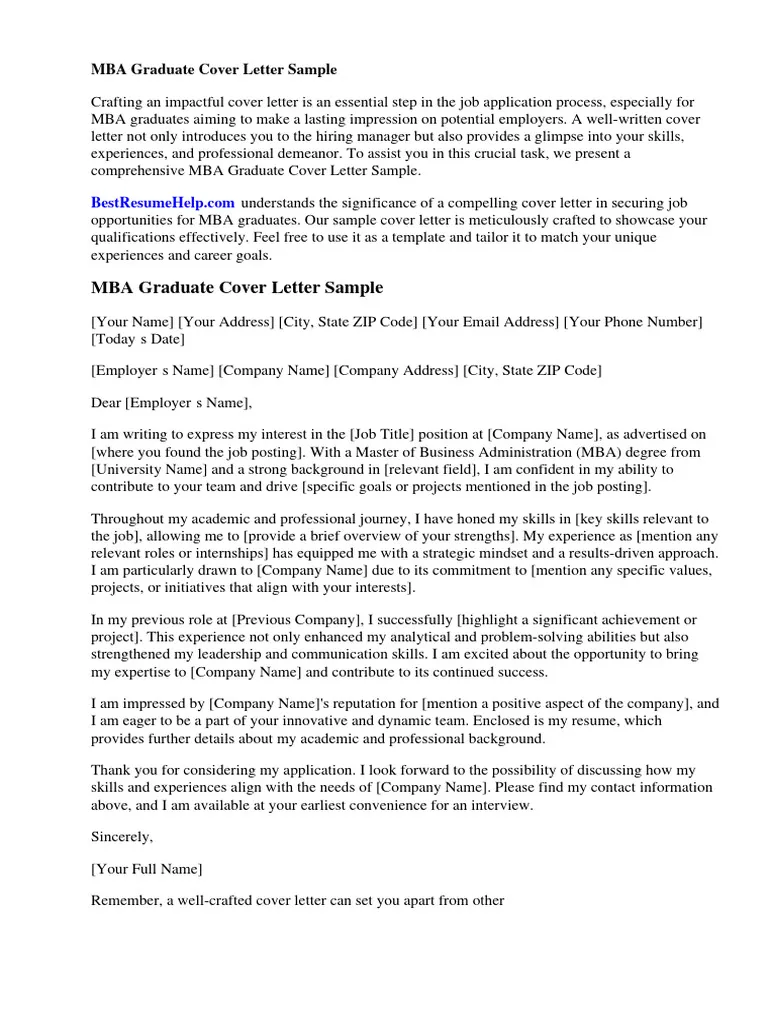
A compelling MBA cover letter typically includes several key components. Start with a strong opening that grabs the reader’s attention and clearly states your purpose. Briefly introduce yourself and express your interest in the MBA program or job. The body of the letter should highlight your relevant experiences, skills, and accomplishments, using specific examples to illustrate your capabilities. Tailor your letter to the specific requirements of the program or role, demonstrating your understanding of their values and needs. Conclude by summarizing your key qualifications, reiterating your interest, and expressing your enthusiasm. The structure of the letter should be organized logically, making it easy for the reader to follow your narrative and grasp your key messages. A well-organized letter will increase your chances of success.
Highlighting Your Achievements
One of the most crucial aspects of an MBA cover letter is highlighting your achievements. Rather than simply listing your responsibilities, focus on showcasing what you accomplished in each role. Use the STAR method (Situation, Task, Action, Result) to provide specific examples of your achievements. Describe the situation you were in, the task you were assigned, the actions you took, and the positive results you achieved. This approach allows you to demonstrate your skills and impact with concrete evidence. It’s important to choose achievements that are relevant to the MBA program or job you are applying for. Consider what skills and experiences the institution or company values most and tailor your examples accordingly. Highlighting achievements demonstrates your abilities and also shows that you are a high-achiever who is capable of making a meaningful contribution.
Quantify Your Accomplishments
When highlighting your achievements, quantifying your accomplishments is essential. Numbers and statistics provide concrete evidence of your impact and make your achievements more compelling. Instead of saying ‘Improved sales,’ say ‘Increased sales by 20% in one quarter.’ Instead of saying ‘Managed a team,’ say ‘Managed a team of 15 employees, resulting in a 10% increase in productivity.’ Quantifying your accomplishments shows your ability to deliver measurable results and demonstrates your value to the program or company. Use numbers, percentages, and other metrics to make your achievements stand out and leave a lasting impression. This attention to detail will set you apart from other candidates and demonstrate your analytical and results-oriented mindset. Quantifiable achievements make your cover letter more persuasive.
Use Action Verbs

Action verbs are a powerful tool for making your MBA cover letter more dynamic and engaging. They help to describe your accomplishments and responsibilities in a clear and concise manner. Start your sentences with strong action verbs that illustrate your skills and contributions. For example, instead of ‘Was responsible for,’ use verbs like ‘Managed,’ ‘Led,’ ‘Developed,’ ‘Implemented,’ ‘Created,’ or ‘Achieved.’ Using a variety of action verbs keeps your writing interesting and shows your versatility. Review your cover letter to ensure that you are using action verbs effectively. This will help you convey your skills and experiences in a way that is both professional and persuasive. Action verbs are a key element in creating a compelling cover letter that captures the reader’s attention and highlights your qualifications.
Showcase Your Leadership Skills
MBA programs and potential employers often seek candidates with strong leadership skills. Your cover letter is an excellent opportunity to demonstrate these skills. Provide examples of how you have led teams, motivated others, and achieved goals through collaboration. Describe situations where you took initiative, made decisions, and guided others towards success. Showcase instances where you demonstrated your ability to influence, inspire, and drive positive change. You can mention any leadership roles you’ve held and the outcomes you achieved. Highlighting your leadership abilities will make you a more attractive candidate for an MBA program or a leadership position in a company. Demonstrate these skills through specific examples, not just vague statements. Concrete examples are more impactful.
Demonstrating Your Fit
A successful MBA cover letter clearly demonstrates your fit with the program or company you are applying to. This involves understanding their mission, values, and requirements. Explain why you are interested in the specific MBA program or job, highlighting how it aligns with your career goals and aspirations. Explain how your experiences and skills make you a good match for their requirements. Research the program or company thoroughly to understand what they are looking for in a candidate. Tailor your letter to address their specific needs and show that you have the skills and experiences that they value. Demonstrate how you can contribute to their community and culture. Showing your genuine interest and alignment with their goals will significantly increase your chances of success. Make it clear why you chose this particular program or role and how it will help you achieve your goals.
Research the Company and Program

Thorough research is essential for tailoring your cover letter and demonstrating your genuine interest. Before writing, research the company or program you are applying to. Learn about their mission, values, culture, and specific requirements. Explore their website, read articles, and talk to current students or employees to gain insights. Identify the key skills and experiences that they are looking for in a candidate. Incorporate this information into your letter, showing that you understand their needs and can contribute to their success. This research helps you personalize your letter and demonstrates your commitment and attention to detail. By demonstrating a deep understanding of the program or company, you show that you are serious about your application and have taken the time to understand what they are looking for. Such thorough research significantly increases your chances of success.
Tailor Your Letter
Avoid sending generic cover letters. Tailoring your letter to each specific program or job is essential. Customize the content to highlight the experiences, skills, and achievements that are most relevant to the role. Use the language and keywords found in the job description or program requirements. Explain why you are interested in that particular program or company and how it aligns with your career goals. Demonstrate that you have researched the organization and understand its values and mission. Showing a genuine interest in a specific program or role will increase your chances of getting noticed. Each cover letter should be unique and tailored to the specific requirements and expectations of the recipient. This customization demonstrates your attention to detail and your commitment to the application or job.
Express Your Career Goals
Clearly articulating your career goals is a vital part of a successful MBA cover letter. Explain what you hope to achieve with your MBA and how it will help you advance your career. Discuss your long-term aspirations and how the program or job aligns with your goals. Be specific about the industry or role you are interested in and what contributions you hope to make. Demonstrate that you have a clear vision for your future and that the MBA or job is a critical step in achieving your objectives. Showing ambition and having a clear understanding of your career goals demonstrates your motivation and strategic thinking. Your career goals should align with the values and offerings of the program or company. Expressing your career goals shows a clear understanding of your future.
Tips for Formatting and Writing

The formatting and writing style of your MBA cover letter are crucial for making a positive impression. Use a professional font, such as Times New Roman or Arial, and maintain a consistent font size. Structure your letter with clear headings, paragraphs, and bullet points to make it easy to read. Use a formal and professional tone, but avoid sounding robotic. Use concise and clear language. Ensure your writing is grammatically correct and free of spelling errors. Keep the letter to one page in length to avoid overwhelming the reader. Proofread your letter carefully before submitting it. Good formatting and writing style will help you present yourself in the best possible light and increase the chances of your cover letter making a good impression.
Keep it Concise
Keep your MBA cover letter concise and to the point. Hiring managers and admissions committees are busy, so it’s important to make the most of their time. Aim to keep your cover letter to one page in length. Each sentence should be clear and focused. Avoid unnecessary details or repetition. Focus on the most important information and highlight your key qualifications and achievements. Be direct and avoid using jargon or overly complex language. Brevity demonstrates that you value the reader’s time and that you can communicate effectively. A concise cover letter shows that you can articulate your ideas clearly and efficiently. Every word must count, and every sentence must deliver its message.
Proofread Meticulously
Proofreading your MBA cover letter meticulously is essential for ensuring that it is free of errors. Errors in grammar, spelling, and punctuation can create a negative impression. Read your cover letter multiple times, and consider having a friend or career advisor review it as well. Check for consistency in formatting, such as font style, font size, and spacing. Pay close attention to the details, as even minor errors can detract from the overall impact of your letter. Proofreading is a critical step in the writing process, ensuring that your cover letter is polished and professional. It demonstrates your attention to detail and your commitment to presenting yourself in the best possible light. A well-proofread letter shows your professionalism and improves your chances of being accepted.
Reviewing Cover Letter Examples

Reviewing cover letter examples can be a valuable way to learn best practices and get ideas for your own letter. Look for examples from successful applicants or those who have secured their desired positions. Analyze the structure, tone, and content of the examples. Pay attention to how they highlight achievements, demonstrate fit, and express career goals. Note the language and action verbs used. However, avoid simply copying and pasting from examples. Instead, use them as inspiration. Take the best elements and adapt them to your own experiences and aspirations. Use these examples to guide your own writing process, but make sure your cover letter reflects your unique personality and experiences. Reviewing examples can give you insights into different approaches and styles of writing.
Analyzing Successful Examples
Analyzing successful MBA cover letter examples can provide valuable insights into what works. Focus on letters written by candidates who were accepted into top programs or who secured their desired job roles. Identify the key elements that made these letters effective. Examine how these letters are structured, how the candidates highlight their achievements, and how they demonstrate their fit with the program or company. Look for the specific language and action verbs they use. Analyze how they express their career goals and make a personal connection with the reader. By dissecting these examples, you can learn from the best and adapt these techniques to your own cover letter. Understanding what makes successful cover letters successful will improve your chances of creating a letter that stands out.
Learning From Different Industries
Learning from cover letter examples from different industries can help you tailor your approach. The content and tone of a cover letter can vary depending on the industry or type of role. Research examples from various sectors, such as finance, consulting, marketing, or technology. Note the specific skills and experiences that are highlighted in these letters. Observe how the applicants tailor their language and focus to meet the specific requirements of each industry. This will help you understand how to adjust your cover letter to align with the expectations and norms of your target industry. By learning from a diverse range of examples, you can create a cover letter that is both effective and relevant to your career aspirations. Adapting your cover letter to different industries can improve your chances of success.
Common Mistakes to Avoid

There are several common mistakes that can undermine the effectiveness of your MBA cover letter. Avoiding these mistakes can significantly improve your chances of creating a strong and persuasive document. Be aware of these pitfalls and ensure your cover letter is free from these common errors. Taking the time to avoid these mistakes is vital to creating a powerful cover letter. This will help you make the best impression and improve your chances of success in the application or job search process.
Generic Statements
Avoid generic statements that could apply to any applicant. Instead, personalize your cover letter by providing specific examples and details. Generic statements fail to distinguish you from other candidates. Focus on your unique skills, experiences, and achievements. Tailor your letter to the specific requirements of the program or job. Show that you have researched the program or company and understand their values and mission. Instead of using generic phrases, use specific examples to demonstrate your qualifications and abilities. Making your statements specific will show your individuality. Personalizing your letter is crucial for making a lasting impression.
Focusing on Yourself Too Much
While highlighting your accomplishments is important, avoid focusing too much on yourself. The best cover letters balance showcasing your qualifications with demonstrating your understanding of the program or company’s needs. Frame your skills and experiences in a way that shows how you can contribute to their success. Show that you understand their values and are a good fit for their culture. Focus on the value that you bring to the table, rather than solely on your own accomplishments. Show how you can help them achieve their goals. The ideal cover letter should show how you can add value. This balance helps you create a cover letter that appeals to the reader and positions you as a valuable candidate.
Lack of Enthusiasm
A lack of enthusiasm can be detrimental to your cover letter. Your cover letter should convey your genuine interest in the MBA program or job. Express your excitement for the opportunity. Showcase how the program or job aligns with your career goals. Demonstrate your passion for the field and your eagerness to contribute. Show that you are enthusiastic about learning and growing in this environment. Use positive and energetic language. Enthusiasm is contagious and can make a lasting impression on the reader. Highlighting your enthusiasm will help you stand out from other candidates. A genuine display of enthusiasm can be a key factor in the success of your application.
Finalizing and Submitting Your Cover Letter
Before submitting your cover letter, take the time to finalize it and ensure that it is error-free. Proofread your cover letter carefully to eliminate any grammatical errors, spelling mistakes, or formatting inconsistencies. Make sure your contact information is accurate and up to date. Review the letter to ensure that it is clear, concise, and tailored to the specific program or job. Ensure that you have attached all necessary documents, such as your resume and transcripts. Following these final steps will help you present a polished and professional application. This will increase your chances of making a strong impression. These steps will help you ensure your application is complete and professional. Your attention to detail at this stage can make the difference.
The Importance of Follow-Up
After submitting your MBA cover letter, follow up with the program or company if appropriate. Following up demonstrates your continued interest and commitment. Send a brief email or make a phone call to the admissions committee or hiring manager. Thank them for considering your application and reiterate your interest in the program or job. Inquire about the status of your application and any next steps in the process. Tailor your follow-up to the specific guidelines provided by the program or company. If they provide guidance, be sure to follow it. A timely follow-up shows that you are proactive and serious about the opportunity. While it’s important to follow up, be mindful not to be overbearing. A well-timed and professional follow-up can increase your chances of moving forward. This can solidify your interest in the role.