Crafting a Compelling Mental Health Nurse Cover Letter
A well-crafted mental health nurse cover letter is your first opportunity to make a strong impression on potential employers. It is more than just a formality; it is a vital tool in your job application arsenal. This guide provides essential tips to help you create a cover letter that not only gets noticed but also secures you an interview. The goal is to showcase your unique skills, experience, and passion for mental health nursing, setting you apart from other applicants and making you a standout candidate for the position. By following these guidelines, you can significantly increase your chances of landing your dream job in the field of mental health care.
Understanding the Importance of a Cover Letter
The importance of a cover letter is often underestimated in the job application process. Many applicants focus solely on their resume, neglecting the significant impact a well-written cover letter can have. A cover letter serves as a personal introduction, providing context to your resume and allowing you to highlight your qualifications in a narrative format. It offers the opportunity to explain your career goals, express your enthusiasm for the specific role, and demonstrate your understanding of the employer’s needs. In today’s competitive job market, a cover letter is a critical component of a successful job application, offering a chance to make a memorable first impression and secure an interview.
Why a Cover Letter is Crucial for Nurses

For nurses, particularly those specializing in mental health, a cover letter is exceptionally important. It allows you to demonstrate your compassion, empathy, and understanding of the unique challenges faced by patients with mental health conditions. A cover letter offers a platform to express your commitment to patient-centered care and to illustrate how your personal values align with the mission and values of the healthcare organization. Highlighting your specialized skills, such as crisis intervention, therapeutic communication, and knowledge of mental health medications, is critical. Moreover, it provides a space to address any potential gaps in your experience or to explain your reasons for seeking a new role, making it an indispensable part of a mental health nurse’s application.
Highlighting Relevant Skills and Experience
Your cover letter should serve as a showcase for your most relevant skills and experiences. Think of it as an opportunity to provide a brief but compelling overview of your professional capabilities and achievements. This includes highlighting your clinical skills, such as assessment, diagnosis, and treatment planning, as well as your soft skills, such as communication, teamwork, and problem-solving. Always tailor your letter to align with the specific requirements and qualifications outlined in the job description. By strategically selecting and presenting your skills and experiences, you can increase your chances of being viewed as a well-suited candidate who is ready to contribute to the role and the organization.
Showcasing Your Mental Health Expertise
As a mental health nurse, your expertise in this specialized field is paramount. Your cover letter is the ideal place to showcase this expertise. Mention any specialized training, certifications, or experience you have in areas such as cognitive behavioral therapy (CBT), dialectical behavior therapy (DBT), or other evidence-based practices. Highlight your experience working with diverse patient populations, including those with anxiety, depression, bipolar disorder, schizophrenia, or substance use disorders. Furthermore, demonstrate your understanding of the latest trends and advancements in mental health care, and indicate your commitment to providing holistic, patient-centered care, and your ability to create a safe and therapeutic environment.
Quantifying Achievements in Your Cover Letter

Instead of simply listing your responsibilities, try to quantify your accomplishments. This means using numbers and specific examples to demonstrate the impact of your work. For instance, instead of saying ‘Managed patient care,’ you could write, ‘Managed a caseload of 15 patients, consistently achieving a 95% patient satisfaction rate.’ Similarly, ‘Implemented a new therapy program that reduced patient relapse rates by 20%.’ Quantifying your achievements provides concrete evidence of your abilities and helps hiring managers understand the value you bring to the table. These specific figures make your cover letter more impactful and memorable, demonstrating your capacity to achieve results and contribute to the success of the healthcare facility.
Tailoring Your Cover Letter for Each Application
One of the biggest mistakes applicants make is sending out generic cover letters. The most successful job seekers understand the importance of tailoring their cover letter to each specific job application. This means carefully reviewing the job description, identifying the key requirements, and aligning your skills and experience with those needs. This personalization demonstrates your genuine interest in the role and shows that you have taken the time to understand the specific needs of the employer. Also, it ensures that the most relevant information about your qualifications is highlighted, which significantly increases your chances of standing out from the competition.
Researching the Employer and the Role
Before you start writing, take the time to research the employer and the specific role you are applying for. Visit the organization’s website to learn about their mission, values, and the services they offer. Understand the challenges and opportunities the role presents. This research will help you tailor your cover letter to reflect your understanding of the organization’s needs and your ability to contribute to their goals. Mentioning specific programs, initiatives, or aspects of the organization that resonate with you demonstrates your genuine interest and helps create a connection with the hiring manager. Show how your skills and experience align with the organization’s needs.
Personalizing Your Cover Letter for Impact

Personalization goes beyond tailoring your letter to the specific role. Use the cover letter to convey your personality, passion, and enthusiasm for mental health nursing. Share a brief anecdote or a personal statement about why you are drawn to mental health care or what inspires you. Mention specific experiences or encounters that have shaped your career aspirations. Expressing your genuine passion and enthusiasm helps your cover letter stand out, makes you more memorable, and can create a connection with the hiring manager. This will demonstrate that you are not just qualified, but that you are also a good fit for the organization’s culture.
Formatting and Structure for Maximum Impact
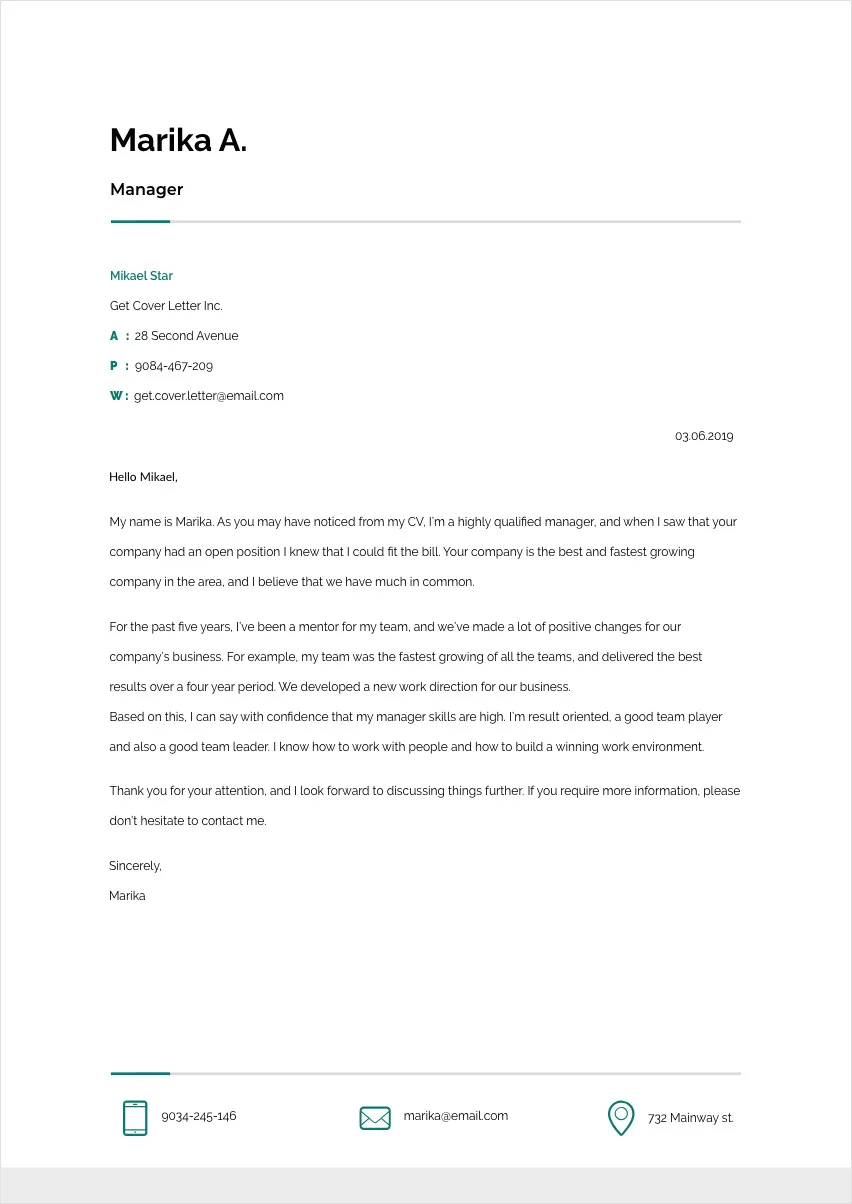
A well-formatted cover letter is easy to read and visually appealing. Use a professional font, such as Times New Roman, Arial, or Calibri, and maintain a consistent font size (11 or 12 points). Start with your contact information, followed by the date and the hiring manager’s name and title if available. The body of your letter should consist of several paragraphs, each addressing a specific aspect of your qualifications and experience. Keep paragraphs concise and focused, using clear and direct language. The goal is to present your information in a logical and easy-to-follow manner. It should highlight your skills and your interest in the role.
Essential Elements to Include in Your Cover Letter
Your cover letter should include several essential elements. First, express your interest in the specific position and organization. Provide a brief overview of your relevant skills and experiences, highlighting the qualifications listed in the job description. Demonstrate your understanding of the organization’s mission and values. Explain why you are a good fit for the role, and describe how your skills and experiences align with the employer’s needs. Include a call to action by inviting the hiring manager to review your resume and contact you for an interview. End with a professional closing, such as ‘Sincerely’ or ‘Best regards,’ followed by your name and contact information.
Contact Information and Professional Formatting

Ensure your contact information is accurate and professional. Include your full name, phone number, email address, and LinkedIn profile (if applicable). The format of your cover letter should also be professional. Use standard margins (1 inch on all sides) and double-space between paragraphs for ease of reading. Avoid using slang, jargon, or overly casual language. Maintain a formal tone throughout the letter, using correct grammar, spelling, and punctuation. Consider the overall layout of your cover letter. It should be clean, organized, and visually appealing to make a positive impression on the reader.
Proofreading and Editing for Perfection
Proofreading and editing are critical steps in the writing process. Before submitting your cover letter, carefully review it for any errors in grammar, spelling, punctuation, or sentence structure. Even minor errors can make a negative impression on hiring managers, so taking the time to ensure accuracy is essential. Read your cover letter aloud to catch any awkward phrasing or grammatical mistakes. Ask a friend, colleague, or career advisor to review your letter and provide feedback. A fresh pair of eyes can often spot errors you might have missed, improving the overall quality of your cover letter.
Common Mistakes to Avoid
There are several common mistakes to avoid when writing a cover letter. First, avoid generic cover letters that are not tailored to the specific job or organization. Do not use jargon or slang. Also, avoid overly long cover letters. Keep your letter concise and focused, highlighting your key qualifications and experiences. Refrain from repeating information that is already in your resume. Finally, avoid negative language or complaints about previous employers. Instead, focus on your accomplishments and the positive contributions you can make to the new organization. These are some common mistakes that often make cover letters ineffective.
Ensuring Clarity and Accuracy in Your Letter

Ensure your cover letter is clear, concise, and easy to understand. Use clear and straightforward language, avoiding complex sentences or jargon that might confuse the reader. Proofread your letter carefully for any errors in grammar, spelling, or punctuation. Verify the accuracy of all the information, including dates, job titles, and contact information. Make sure your tone is professional and enthusiastic. A well-written cover letter that is clear, accurate, and free of errors will make a positive impression and increase your chances of securing an interview. Always tailor your cover letter to each specific role.