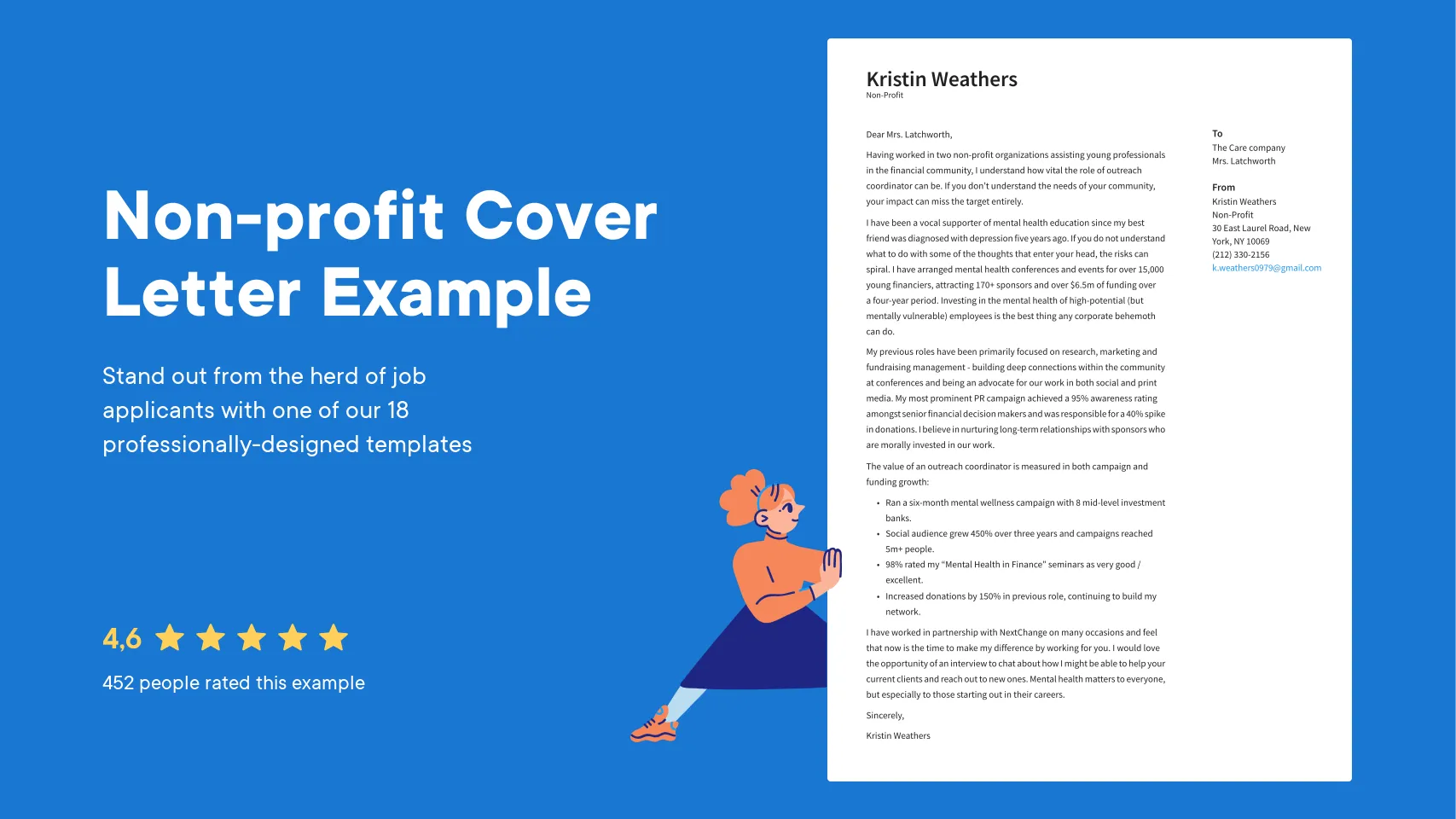
Crafting a Compelling Nonprofit Cover Letter
In the competitive landscape of nonprofit job applications, a well-crafted cover letter is your key to standing out and securing an interview. It’s not just a formality; it’s your opportunity to showcase your passion, skills, and understanding of the organization’s mission. This guide will walk you through the essential steps to create a cover letter that grabs attention and gets you noticed by potential employers. A compelling cover letter goes beyond simply restating your resume; it tells a story, highlights your relevant experience, and demonstrates your genuine interest in the organization and the cause it champions. By following these guidelines, you can significantly increase your chances of landing your dream job in the nonprofit sector. Remember, this is your chance to make a positive first impression and show why you’re the perfect fit.
Understanding the Nonprofit Sector
Before you begin writing, take time to understand the nuances of the nonprofit sector. Research the organization thoroughly. Familiarize yourself with its mission, values, programs, and recent achievements. Understanding the specific challenges and opportunities the organization faces will allow you to tailor your cover letter and demonstrate your knowledge and interest. This industry is driven by a commitment to social good. Nonprofit organizations often have specific needs and priorities. Tailoring your cover letter to reflect these will help you gain the attention of hiring managers. Also, demonstrate your understanding of the nonprofit sector by including specific examples of your past experiences that align with the organization’s mission, values, and goals.
Key Values and Mission Alignment

Nonprofit organizations are deeply rooted in their core values and mission. Your cover letter should clearly demonstrate how your values align with those of the organization. Highlight your understanding of the mission and explain how your skills and experience can contribute to its success. It is crucial to show that you have taken the time to understand the organization’s specific mission and values. Explicitly mentioning the organization’s mission and explaining how your previous experiences relate to it is very important. Show genuine interest by expressing your excitement about the opportunity to contribute to their cause. Avoid generic statements. Instead, provide specific examples of how your skills and experiences align with the organization’s goals, values, and programs. This alignment will make you stand out.
Highlighting Relevant Skills and Experience
Your cover letter is an opportunity to showcase the skills and experience that make you a strong candidate for the role. Don’t just list your skills; provide specific examples of how you’ve applied them in the past. Use the job description as a guide to identify the key skills and qualifications the organization is seeking. Highlight the experiences where you have used those skills. This helps demonstrate that you possess the skills the organization needs. Providing concrete examples helps hiring managers understand how your skills and experiences can contribute to the organization’s success. This could be a volunteer experience, a previous job, or even a project in school. Make sure your cover letter emphasizes the skills most relevant to the position.
Transferable Skills for Nonprofit Roles
Many transferable skills are highly valued in the nonprofit sector. These include communication, project management, fundraising, community outreach, and volunteer coordination. Showcase how your experiences have allowed you to develop and apply these skills. Whether you’re coming from a corporate background, the government, or another sector, identify the skills that are relevant to the role and the organization’s mission. Show how your experience has prepared you to excel in the position. If you’re switching careers, be sure to emphasize how your skills are transferable to the nonprofit sector. Use specific examples that demonstrate your abilities, especially in the context of the job you are applying for. This could include leadership skills, problem-solving abilities, and the ability to work in a team environment.
Quantifying Achievements and Impact

Quantify your achievements whenever possible. Instead of saying you “managed a team,” state how many people were on the team and the outcomes you achieved. Use numbers to demonstrate the impact of your work. For example, if you increased donations, state the percentage increase. If you managed a project, provide metrics such as the number of participants or the amount of money raised. Numbers and statistics make your achievements more tangible and demonstrate the value you brought to previous roles. Always be specific and back up your claims. Providing measurable results is one of the most effective ways to prove your value to a prospective employer in the nonprofit sector.
Structuring Your Cover Letter Effectively
A well-structured cover letter is easy to read and highlights your key qualifications. Start with a strong opening that captures the reader’s attention and states your interest in the position. Follow this with a brief summary of your relevant skills and experience. The body of your letter should elaborate on your qualifications, providing specific examples to support your claims. Close with a call to action, inviting the reader to review your resume and schedule an interview. A well-structured cover letter is a key to conveying your qualifications effectively. Use a professional format with clear headings and concise paragraphs to keep the reader engaged. This structure demonstrates organization and attention to detail, which are highly valued in the nonprofit sector.
Personalizing Your Letter
Avoid using a generic cover letter. Tailor each letter to the specific organization and position. Research the organization and the hiring manager (if possible) and address the letter to the appropriate person. This demonstrates that you have taken the time to learn about the organization and are genuinely interested in the position. Personalization shows that you care about the organization and are not just sending out a generic application. This includes mentioning specific programs or initiatives that resonate with you. Highlight why you are interested in the particular role and what makes you excited about the opportunity to contribute to the organization. Show the reader that you have done your homework and that you are genuinely interested in the organization.
Formatting and Presentation

The visual presentation of your cover letter matters. Use a professional and easy-to-read font, such as Times New Roman or Arial, with a font size between 11 and 12 points. Maintain consistent formatting throughout the document, including margins, spacing, and bullet points. Ensure your cover letter is well-formatted, with clear headings and adequate white space. This makes it easy for the reader to scan and digest the information. Proofread your letter carefully to ensure there are no typos or grammatical errors. A polished cover letter reflects your attention to detail and professionalism.
Essential Elements to Include
A complete cover letter should include several key elements. Make sure your letter is easy to read and understand. Starting with your contact information, then your salutation, followed by your mission alignment statement, and the body of your letter should explain why you’re the best fit for the role, and then conclude with a call to action and a professional closing. Each part of the letter has a specific purpose in showing your qualifications to a prospective employer. The essential elements help to tell a complete story, and give the hiring manager all the information they need to decide to interview you.
Contact Information and Salutation
At the top of your cover letter, include your contact information (name, phone number, email address, and possibly your LinkedIn profile URL). Address the letter to a specific person whenever possible. Use the hiring manager’s name or title. If you can’t find the hiring manager’s name, use a general salutation like “Dear Hiring Committee”. This demonstrates your attention to detail. Always use a professional and appropriate salutation. Start with a formal greeting, and include a concise and friendly closing.
Mission Alignment Statement

In the opening paragraph, explicitly state your interest in the position and the organization’s mission. Briefly explain why you are passionate about the cause and how your values align with the organization’s goals. Use specific examples to demonstrate your understanding of the organization’s work and how your skills and experiences are relevant to the position. This will immediately capture the reader’s attention and make them want to keep reading. Show how your interest in the organization is based on their goals and values. Your mission alignment statement will immediately set you apart from other applicants. Explain why you are applying, and emphasize the mission of the organization. Show why their mission resonates with you.
Why You’re a Good Fit
The body of your cover letter should elaborate on your qualifications and explain why you are a good fit for the position. Highlight your relevant skills and experience, and provide specific examples of your achievements. Tailor your letter to the job description and emphasize the skills and experiences that are most relevant to the role. This section is your opportunity to showcase your value and demonstrate your ability to succeed in the position. Discuss your accomplishments and how they are applicable to the requirements of the job. Use specific examples and metrics to show your achievements and skills, and explain how these contribute to your success.
Call to Action and Closing
End your cover letter with a clear call to action. Express your enthusiasm for the opportunity and invite the reader to review your resume and schedule an interview. Thank the reader for their time and consideration. This final touch demonstrates your confidence and professionalism, and encourages the reader to contact you. End the letter with a professional closing, such as “Sincerely” or “Respectfully.” Always proofread your cover letter before submitting it to ensure it is free of errors.
Proofreading and Editing

Before submitting your cover letter, proofread it carefully for any errors in grammar, spelling, or punctuation. Typos and grammatical errors can create a negative impression and undermine your credibility. Use a spell checker and grammar checker, but don’t rely on them entirely. Have a friend or colleague review your cover letter. A second pair of eyes can often catch mistakes that you might miss. Ensure the tone is professional, enthusiastic, and aligned with the organization’s values. Pay special attention to the overall flow and structure of your letter.
Common Mistakes to Avoid
Avoid making common mistakes that can hurt your chances of getting noticed. These mistakes often damage your credibility and make your application less effective. Avoid using generic language, ignoring the organization’s mission, and showing a lack of enthusiasm. By avoiding these common mistakes, you can increase your chances of making a strong impression on potential employers.
Generic Language and Clichés
Avoid using generic language and clichés, such as “I am a team player” or “I am a hard worker.” Instead, provide specific examples of your skills and achievements. Don’t use phrases that are overused and don’t provide any specific information about your qualifications. Highlight your unique qualities and provide clear examples of your skills and experiences. Your cover letter needs to be fresh and engaging, and it shouldn’t include worn-out phrases. Using specific examples from your previous roles will make your cover letter more compelling.
Ignoring the Organization’s Mission

Failing to mention the organization’s mission or demonstrating a lack of understanding of their work is a major red flag. Show that you have researched the organization and are genuinely interested in its cause. Mention the organization’s mission, and show how your previous experiences align with the organization’s goals. Demonstrate your commitment to their values and their mission. Emphasize how you believe in the organization’s values, programs, and mission, and let the reader know why. Show that you understand their work and are eager to contribute to their mission.
Lack of Enthusiasm and Passion
Nonprofits are looking for passionate individuals who are dedicated to their mission. Show your enthusiasm and passion for the organization’s work. Avoid sounding indifferent or uninspired. Express your excitement about the opportunity to contribute to their cause. Your cover letter should reflect your genuine interest in the organization and the role. Convey your excitement and passion for the organization’s mission, and explain why you are interested in the role.
Finalizing and Submitting Your Cover Letter
Before submitting your cover letter, review it one last time to ensure that it meets all the requirements. Make sure your contact information is up-to-date, your formatting is consistent, and there are no errors. Save your cover letter as a PDF file to preserve the formatting and ensure it is easily readable. Follow the application instructions carefully. Ensure your cover letter stands out and highlights your qualifications and genuine interest in the organization. Proofread one last time. By following these steps, you can craft a cover letter that gets you noticed and helps you land your dream job in the nonprofit sector. Good luck!