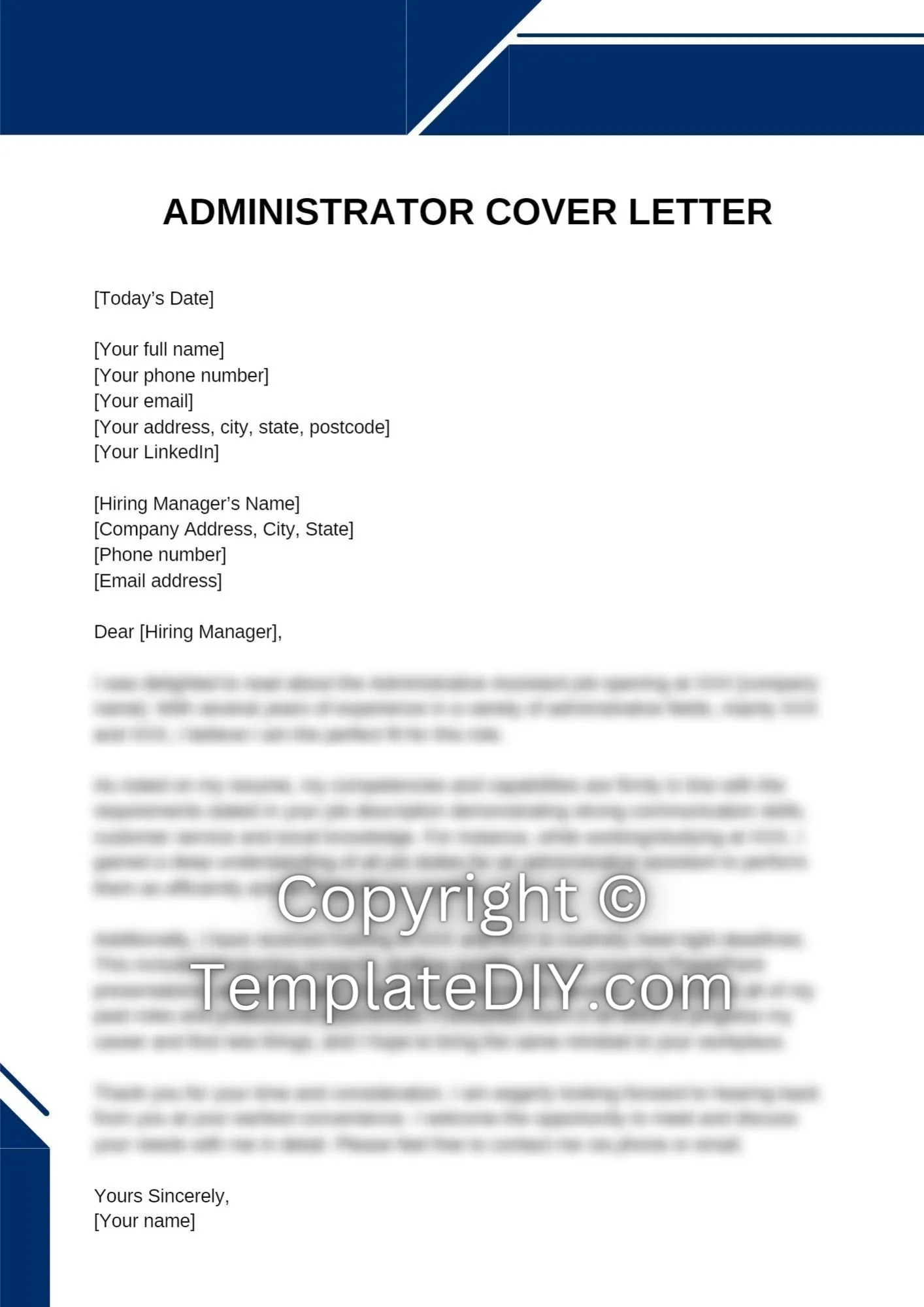
What is Office Administration [Overview]
Office administration is the backbone of any successful organization. It encompasses a wide range of responsibilities that ensure the smooth and efficient operation of an office environment. Office administrators are essential for managing day-to-day tasks, coordinating activities, and supporting other staff members. This role is crucial for maintaining a productive and organized workplace. The primary goal of office administration is to create a positive and efficient work environment where employees can focus on their core responsibilities. This is achieved through a combination of organizational skills, communication, and technical proficiency. Office administrators often act as the central hub of information and communication within a company, making them key players in its overall success.
Key Responsibilities of an Office Administrator
The responsibilities of an office administrator are diverse and can vary depending on the size and type of organization. However, some core duties are common across most roles. These include managing office supplies, handling correspondence, scheduling meetings, and assisting with basic accounting tasks. Office administrators are often the first point of contact for visitors and clients, so strong communication and interpersonal skills are essential. They also play a crucial role in maintaining office records, managing databases, and ensuring the office runs smoothly. A successful office administrator is detail-oriented, organized, and able to multitask effectively. In essence, they create a well-functioning workplace that supports the productivity of the entire team.
Administrative Tasks and Duties

Administrative tasks are the building blocks of an office administrator’s daily routine. These tasks are vital for the organization’s operational efficiency. This includes managing office supplies, which involves ordering, stocking, and maintaining an inventory of necessary items. Another critical duty is managing employee schedules, including tracking attendance, coordinating leave requests, and ensuring adequate staffing. Office administrators also handle incoming and outgoing mail, ensuring proper distribution and record-keeping. Preparing reports, presentations, and other documents is also a significant part of their role. These tasks require strong organizational skills, attention to detail, and proficiency in various software applications to ensure everything runs smoothly.
Managing Communication and Correspondence
Effective communication is a cornerstone of office administration. Office administrators serve as the primary communicators within the office. This involves handling phone calls, responding to emails, and greeting visitors in a professional and courteous manner. They are often responsible for drafting and distributing internal memos, newsletters, and other important communications. This requires clear and concise writing skills and an understanding of different communication channels. Additionally, office administrators may manage social media accounts or assist with external communications. Their ability to communicate effectively ensures that information flows smoothly throughout the organization, contributing to a positive and productive work environment. It’s important to demonstrate excellent verbal and written communication skills in a cover letter.
Organizing and Maintaining Office Systems
A well-organized office is essential for productivity and efficiency. Office administrators are responsible for organizing and maintaining various office systems. This includes managing filing systems, both physical and digital, to ensure easy access to important documents. They also assist in setting up and maintaining office equipment, such as printers, copiers, and computers, and coordinating with IT support when needed. Another key aspect of their role is managing employee records and ensuring confidentiality and compliance with data protection regulations. By keeping the office organized and systems running smoothly, office administrators create an environment that supports the efficiency and effectiveness of the entire team.
Skills Needed for Office Administration

Office administration demands a unique blend of hard and soft skills. To be successful, office administrators need to possess a range of abilities to handle the diverse tasks and responsibilities of the role. These skills allow them to manage the daily activities of the office efficiently, communicate effectively, and support their colleagues. The specific skills required can vary depending on the job and the organization, but there are a number of essential skills that are vital for any office administrator. These skills enable them to thrive in their roles and contribute to a productive and supportive work environment. A well-crafted cover letter should highlight these skills.
Essential Soft Skills
Soft skills are critical for success in office administration. Strong communication and interpersonal skills are essential for interacting with colleagues, clients, and visitors. Problem-solving skills are also vital for resolving issues and finding solutions to challenges. Time management and organizational skills help to prioritize tasks and meet deadlines. Adaptability and flexibility enable office administrators to handle changing priorities and unexpected situations. A positive attitude and a strong work ethic are also crucial for maintaining a productive and supportive work environment. These soft skills combined create a well-rounded professional.
Important Technical Skills
Technical skills are increasingly important in office administration. Proficiency in Microsoft Office Suite, including Word, Excel, and PowerPoint, is often a basic requirement. Familiarity with office equipment, such as printers, scanners, and copiers, is also essential. Data entry skills and the ability to manage databases are important for maintaining accurate records. Experience with accounting software, such as QuickBooks, can be beneficial. Additional technical skills may include knowledge of project management software and communication tools. Continuous learning and adaptation to new technologies are crucial for staying current in the field. These technical skills are very important to highlight in the cover letter.
Education and Training for Office Administration

The educational requirements for office administration positions can vary. While a high school diploma or equivalent is often the minimum requirement, many employers prefer candidates with some form of post-secondary education. Associate’s degrees in office administration or a related field can provide a strong foundation of knowledge and skills. Bachelor’s degrees in business administration or a related field can offer a more comprehensive education and may be required for more advanced roles. In addition to formal education, relevant training programs and certifications can enhance a candidate’s qualifications. Practical experience through internships or entry-level positions can also be valuable. The exact education requirements will vary depending on the specific job and the employer.
Formal Education and Certifications
Formal education provides a structured learning environment. Associate degrees offer a focused curriculum covering administrative tasks, computer applications, and business communications. Bachelor’s degrees in business administration, office management, or related fields provide broader knowledge of business principles. These degrees often include courses in accounting, human resources, and marketing. Certifications like the Certified Administrative Professional (CAP) or the Certified Office Professional (COP) validate skills and can enhance career prospects. These programs offer specialized training in various administrative areas, allowing individuals to demonstrate their expertise and commitment to the profession. Including relevant certifications can greatly strengthen the cover letter.
On-the-Job Training and Experience
On-the-job training is an essential part of learning. Internships provide hands-on experience and allow individuals to apply their knowledge in a real-world setting. Entry-level positions provide opportunities to learn specific skills and responsibilities while working under the guidance of experienced professionals. Continuing professional development, such as attending workshops and seminars, allows administrators to stay current with industry trends and new technologies. Gaining experience in administrative tasks is crucial for career advancement. These practical experiences develop skills and build confidence, making candidates more valuable to employers. The cover letter should showcase this on-the-job training.
Building a Strong Cover Letter for Office Administration

A strong cover letter is essential for making a positive first impression and securing a job interview. It should be tailored to the specific job and the organization. It should also highlight your relevant skills and experience. Use clear and concise language. Begin with a compelling opening statement that grabs the reader’s attention. Clearly state the position you are applying for and how you learned about the opportunity. Explain why you are interested in the role and what makes you a good fit for the position. Proofread carefully for any grammar or spelling errors. Demonstrate your knowledge of the company and show your enthusiasm. Customize each cover letter to the specific job. A well-written cover letter can significantly increase your chances of getting an interview. This document should be the first thing you show the potential employer.
Highlighting Relevant Skills and Experience
Highlighting relevant skills and experience is crucial in your cover letter. Focus on the skills and experiences that align with the job requirements. Provide specific examples to demonstrate your abilities and achievements. Use keywords from the job description to show that you understand the role and the company’s needs. Quantify your achievements whenever possible, using numbers or data to show the impact of your work. For example, you can mention the number of tasks managed or the percentage improvement in efficiency. Make sure the cover letter mirrors the job description. This will help the reader know you have all the qualities needed for the job. By emphasizing your skills and experience, you will increase your chances of standing out from other applicants.
Tailoring Your Cover Letter
Tailoring your cover letter to each job application is a critical step. Customize the letter to reflect the specific requirements and the values of the company. Research the company and its culture to demonstrate your interest and understanding. Address the hiring manager by name, if possible, to show you have taken the time to personalize your application. Show you are willing to learn. Modify your cover letter for each company you apply for. Avoid using a generic template and ensure that the letter is well-organized. Tailoring your cover letter helps you present yourself as a strong candidate. By taking the time to tailor your cover letter, you show the employer you’re serious about the position.
Resources for Office Administrators

Numerous resources are available to support office administrators. Professional organizations offer networking opportunities, training programs, and industry-specific resources. Online courses and webinars provide opportunities for continuous learning and skill development. Industry publications and blogs offer insights into the latest trends and best practices. Templates and checklists can help streamline administrative tasks and improve efficiency. Accessing these resources can help office administrators stay informed, develop their skills, and advance their careers. Utilizing these resources can help improve knowledge and stay informed.
Professional Organizations and Networks
Professional organizations provide valuable support for office administrators. These organizations offer networking opportunities. Industry events and conferences provide a platform to connect with peers and learn about new trends. They also offer educational resources, such as workshops, webinars, and certifications. Joining a professional network can broaden your network and assist in your job search. These organizations and networks help develop skills and stay current. These groups offer resources and support systems. They are invaluable for career growth and professional development.
Staying Up-to-Date with Industry Trends
Staying up-to-date with industry trends is essential for office administrators. Subscribe to industry publications, blogs, and newsletters to stay informed about the latest developments. Attend industry events and conferences to network and learn from experts. Participate in online communities and forums to share knowledge and best practices. Embrace new technologies and software applications to improve efficiency. By staying current with industry trends, office administrators can enhance their skills and remain valuable to their employers. This will help with your ability to meet company standards and grow with the company. Staying up-to-date is essential for career advancement.