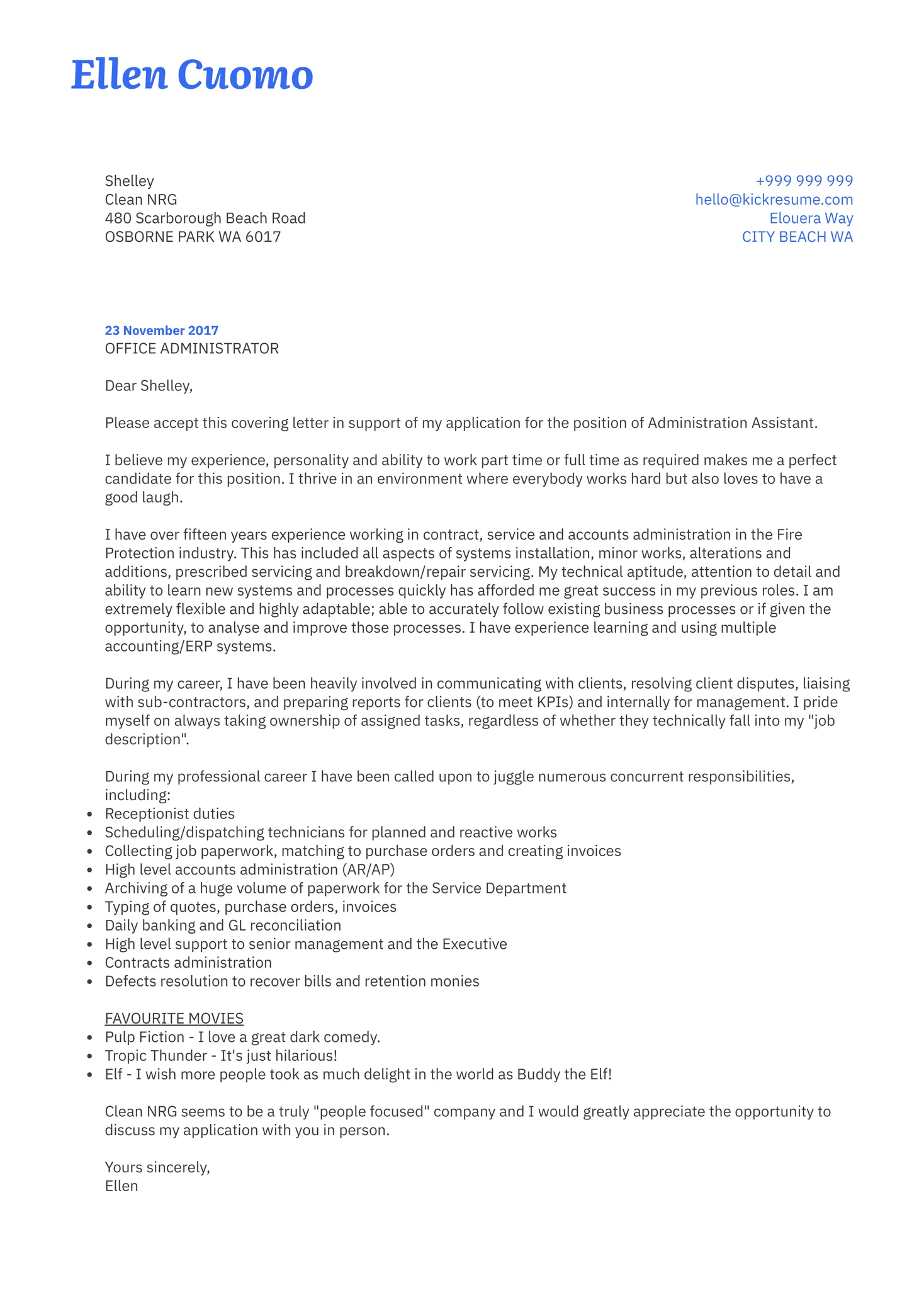
Key Elements of a Part-Time Cover Letter
A compelling cover letter is your first introduction to a potential employer, and it’s crucial for securing a part-time job. It allows you to showcase your personality, skills, and enthusiasm beyond what your resume can convey. A well-crafted cover letter demonstrates your professionalism and attention to detail, increasing your chances of getting an interview. This guide will provide you with the essential elements and secrets to create a cover letter that grabs attention and helps you land the part-time job you desire. Following the correct format and content will provide an upper hand from others. A strong cover letter is an important element to a successful job application.
Contact Information and Date
Begin your cover letter with your contact information, ensuring it is accurate and easily accessible. This section is not only a formality but also a quick way for the hiring manager to reach you. Provide your full name, address, phone number, and professional email address. Presenting this information clearly and concisely sets a professional tone from the start. Below your contact information, include the date you are writing the letter. This date should be the date you are sending the application.
Formatting Your Contact Details

Proper formatting of your contact details is important for readability. Use a clear font, such as Arial or Times New Roman, and a consistent font size, typically 10-12 points. Align your contact information to the left or right, depending on your preference, but maintain consistency throughout the document. Ensure there is sufficient spacing between each piece of information to prevent a cluttered appearance. The layout of your contact details contributes to the overall professional look of your cover letter.
Proper Date Formatting
The date should be formatted correctly to avoid any confusion. Use a standard format, such as Month, Day, Year (e.g., January 1, 2024). This format is widely recognized and ensures clarity. Make sure the date aligns with the other elements in your heading. Correct date formatting shows your attention to detail and your ability to follow basic professional standards, which is crucial for a part-time role where reliability is often valued.
The Introductory Paragraph
The introductory paragraph is your opportunity to make a strong first impression. It should immediately capture the reader’s attention and clearly state the purpose of your letter. Avoid generic greetings; instead, personalize the opening whenever possible. Showing that you have tailored your letter to the specific job and company demonstrates your genuine interest and initiative. A well-crafted introduction sets the tone for the rest of your letter and encourages the reader to continue reading.
Grabbing Attention Immediately

To grab the hiring manager’s attention, start with a compelling hook. This could be a brief statement about why you are excited about the opportunity or a quick anecdote that highlights a relevant skill or experience. Avoid clichés and generic phrases. Instead, focus on showcasing your personality and enthusiasm. The goal is to make the reader want to learn more about you from the very beginning, encouraging them to view your letter until the end.
Stating the Job You’re Applying For
Clearly state the specific part-time job you are applying for in your introductory paragraph. Mention the job title and where you found the job posting (e.g., online job board, company website). This shows that you have carefully reviewed the job description and understand what the employer is looking for. Be specific and avoid any ambiguity. This clarity ensures that the hiring manager knows exactly which position you are interested in and helps streamline the application process.
Highlighting Relevant Skills and Experience
The main body of your cover letter should focus on highlighting your relevant skills and experience. The goal is to demonstrate how your qualifications match the job requirements. Use specific examples to illustrate your abilities and achievements. Quantify your accomplishments whenever possible to provide concrete evidence of your value. This section should persuade the hiring manager that you are a strong candidate for the part-time position.
Matching Skills to Job Requirements

Carefully review the job description and identify the key skills and qualifications the employer is seeking. Then, select the most relevant skills from your own experience and tailor your letter to align with those requirements. Provide specific examples of how you have used these skills in the past. Use keywords from the job description to demonstrate that you understand what the employer is looking for. This targeted approach shows that you have done your research and are a good fit for the role.
Quantifying Your Accomplishments
Whenever possible, quantify your accomplishments with numbers and data. For example, instead of saying “Managed social media,” you could say “Increased social media engagement by 20% in six months.” Quantifying your achievements adds credibility to your claims and provides concrete evidence of your abilities. Use metrics to show the impact of your work and highlight the value you can bring to the part-time position. This approach will help you stand out from other applicants.
Showcasing Soft Skills
In addition to technical skills, emphasize your soft skills, such as communication, teamwork, problem-solving, and time management. These skills are essential in any part-time role and can set you apart from other candidates. Provide examples of how you have demonstrated these skills in previous experiences. Show how you have used these abilities to achieve positive outcomes and contribute to a team. Demonstrating your soft skills increases your overall appeal.
Demonstrating Enthusiasm and Fit

Show the employer that you are genuinely interested in the company and the specific role. Research the company’s mission, values, and recent activities to understand what they are looking for in their employees. Demonstrating enthusiasm and a good fit makes you a more attractive candidate. Tailoring your letter to each specific opportunity is key. This section is where you express your excitement and show that you have done your homework.
Expressing Your Interest in the Company
Show the hiring manager that you are genuinely interested in the company. Research the company’s mission, values, and recent activities to understand what they are looking for in their employees. Mention specific aspects of the company that appeal to you. Express your excitement about the company’s products, services, or culture. Demonstrating a genuine interest makes you a more attractive candidate and shows that you have done your research.
Tailoring Your Letter to the Specific Role
Adapt your cover letter to each specific job application. Avoid using a generic template. Customize your letter to align with the requirements and preferences outlined in the job description. Highlight the skills and experiences that are most relevant to the specific role. Mention the company name and the specific job title throughout your letter. Tailoring your letter shows that you have taken the time to understand the role and are a good fit for the company. Tailoring your letter increases your chances of being invited to an interview.
The Call to Action and Closing

Your closing paragraph should include a call to action, such as requesting an interview or expressing your interest in discussing the opportunity further. End the letter with a professional and polite closing. Your closing paragraph is your last chance to leave a positive impression. This section should be concise and leave a lasting impression. A strong close can help you get your foot in the door.
Thanking the Reader
Thank the reader for their time and consideration. Express your appreciation for the opportunity to apply for the part-time position. Keep the tone of your thank you sincere and professional. A simple thank you goes a long way in showing your respect and appreciation for the reader’s time. This small gesture can leave a positive impression and enhance your overall application.
Providing Contact Information
Reiterate your contact information, especially your phone number and email address, in the closing. Make it easy for the hiring manager to contact you for an interview. Make sure your contact information is accurate and up-to-date. Providing your contact information again ensures that the reader can easily get in touch with you. This will help to enhance your overall application.
The Importance of Proofreading
Proofreading your cover letter is essential. Ensure that your cover letter is free of errors. Check for grammar, spelling mistakes, and typos. Even minor errors can detract from your professionalism and may negatively impact your chances of getting the job. Take the time to carefully review your letter. Always proofread and use available tools. Proofreading your cover letter is a crucial step in the job application process.
Checking for Grammar and Spelling Errors
Carefully check your cover letter for any grammatical errors and spelling mistakes. These errors can undermine your credibility and professionalism. Use a grammar and spell-checking tool, but do not rely on it entirely. Read your letter aloud to catch any mistakes that you might miss otherwise. Having a second pair of eyes to review your letter can also be beneficial. Proper grammar and spelling enhance the overall quality of your application.
Ensuring Professional Tone
Maintain a professional tone throughout your cover letter. Avoid slang, jargon, and informal language. Use clear and concise language to convey your message. Your tone should reflect your respect for the reader and the company. Your cover letter must be written with a formal and professional tone to make a good first impression. A professional tone projects your professionalism and ability to communicate effectively.