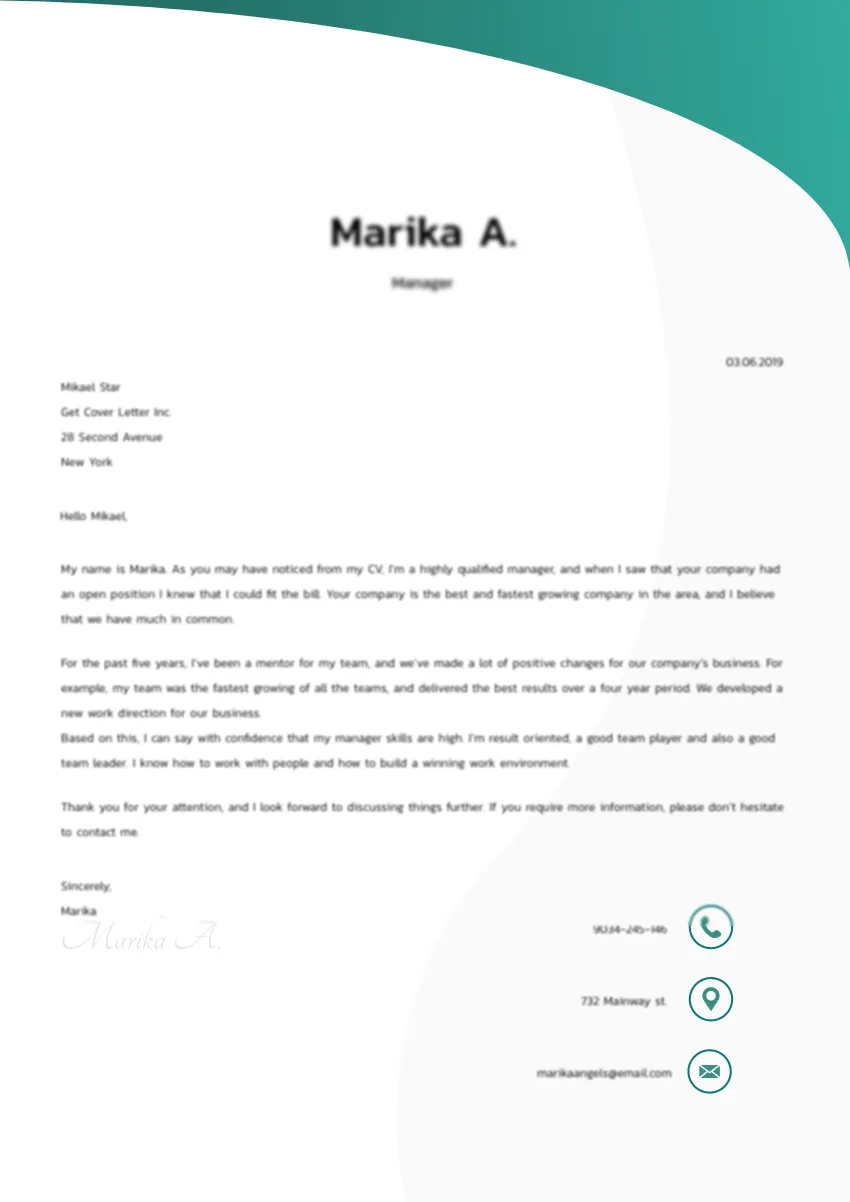
Crafting Your Program Manager Cover Letter Secrets
Landing a Program Manager role in the nonprofit sector is competitive, but a well-crafted cover letter can significantly boost your chances. It’s more than just a formality; it’s your first impression, a chance to showcase your skills, experience, and passion for the organization’s mission. Many job seekers underestimate the power of a compelling cover letter, treating it as a mere formality that mirrors their resume. However, a strategically written cover letter is where you truly get to connect with the hiring manager. It’s where you can inject personality, highlight relevant skills, and demonstrate a deep understanding of the nonprofit’s work and values. To unlock the secrets of a winning cover letter, you must first understand what makes a strong cover letter in the nonprofit world. This understanding serves as the foundation for your entire approach. Remember, a generic cover letter is easily dismissed. Your goal is to stand out, and demonstrate that you’ve taken the time and effort to personalize your application for the specific role and organization.
Highlighting Your Skills for a Nonprofit Role
Nonprofit organizations value a unique blend of skills. Beyond the technical program management competencies, they often look for candidates with strong interpersonal skills, empathy, and a genuine commitment to the cause. When highlighting your skills, go beyond simply listing them. Provide specific examples of how you’ve used these skills to achieve positive outcomes in previous roles. These examples should demonstrate how your skills align with the specific requirements outlined in the job description. Moreover, consider incorporating keywords from the job posting. Many organizations use Applicant Tracking Systems (ATS) to scan applications. By including the right keywords, you increase the likelihood that your cover letter will make it past the initial screening phase. This attention to detail shows that you understand the role and are prepared to step in and make a difference from day one. Don’t just state that you’re a good communicator, show it through concise, impactful writing that reflects your ability to clearly and effectively convey information to diverse audiences.
Quantifying Your Accomplishments

One of the most effective ways to make your cover letter stand out is to quantify your accomplishments. Instead of stating you ‘managed projects’, provide specific metrics that highlight your success. For example, instead of saying ‘improved program efficiency,’ you might write ‘increased program efficiency by 15% within six months, resulting in a cost savings of $20,000.’ Use numbers to showcase your impact. This demonstrates the value you bring to the table and provides concrete evidence of your abilities. Include percentages, dollar amounts, and other measurable results to prove the effectiveness of your past work. Avoid vague statements and focus on specific achievements. The use of numbers adds credibility and leaves a lasting impression on the reader. Your goal is to show the hiring manager not just what you did, but the positive impact of your actions, and to make it as easy as possible for them to see you in the role.
Showcasing Your Nonprofit Experience
If you have prior experience in the nonprofit sector, highlight it prominently. Nonprofit organizations value candidates who understand the unique challenges and rewards of this field. Even if your experience isn’t directly in program management, any experience in a related field, such as volunteer work, fundraising, or community outreach, can be relevant. When showcasing your nonprofit experience, explain the types of programs you were involved in, your specific responsibilities, and the positive outcomes you helped achieve. Mention your knowledge of funding sources, grant writing, or donor relations, as these skills are highly sought after. Frame your experience to show your understanding of the nonprofit’s ecosystem. Even if you have limited direct experience, demonstrating your passion for the cause and your understanding of the nonprofit’s mission can make a positive impact. For those without direct nonprofit experience, it is crucial to explain why you are drawn to the nonprofit sector and how your skills are transferable.
Tailoring Your Cover Letter to the Organization
A generic cover letter is easily spotted and often discarded. The secret to a successful cover letter is tailoring it to the specific organization and the role you are applying for. This shows the hiring manager that you’ve taken the time to research their organization and understand their needs. Begin by carefully reviewing the job description and identifying the key requirements and keywords. Then, structure your cover letter to address these requirements, highlighting your relevant skills and experience. Demonstrate your knowledge of the organization’s mission, programs, and values. You can often find this information on their website or in their annual reports. Explain why you’re interested in the specific organization and why you believe you’re a good fit for their culture. Mention any specific projects or initiatives that resonate with you and explain how your skills can contribute to their success. Personalizing your cover letter is a crucial step and should be done for every application you submit.
Researching the Nonprofit’s Mission

Before you start writing, deeply research the nonprofit’s mission. Understand their goals, values, and the specific issues they address. This research will not only help you tailor your cover letter but also demonstrate your genuine interest in the organization. Visit the organization’s website, read their annual reports, and follow them on social media. Understand their current programs, their target audience, and their impact. Your research should inform your cover letter. Clearly state why you are passionate about the organization’s mission and how your skills and experience align with their goals. When you reference specific initiatives or programs, show that you’ve taken the time to understand their work. This attention to detail shows a genuine interest and a desire to contribute to their cause. Also, understanding the nonprofit’s culture will allow you to align your values with theirs.
Emphasizing Relevant Program Management Skills
Program management requires a diverse skill set, so emphasize the skills that are most relevant to the specific job description. Highlight your ability to plan, organize, and execute programs effectively. Mention your experience in areas such as budgeting, grant management, stakeholder communication, and risk management. Provide specific examples of how you’ve successfully managed programs, including the challenges you faced and the solutions you implemented. Explain your experience using project management methodologies or software tools if the job description mentions these. Also, it is important to highlight your ability to analyze data, evaluate program effectiveness, and make data-driven decisions. Moreover, program managers often lead and motivate teams, so highlight your leadership skills and your ability to collaborate with diverse stakeholders. Showcase any experience in training, mentoring, or supervising staff or volunteers.
Demonstrating Leadership and Teamwork
Nonprofit organizations highly value leadership and teamwork. Highlight your ability to lead and motivate teams, as well as your experience working collaboratively with diverse stakeholders. Provide examples of how you have successfully led projects or teams, including the specific challenges you faced and the solutions you implemented. Mention any experience in training, mentoring, or supervising staff or volunteers. Demonstrate your ability to build consensus, resolve conflicts, and foster a positive team environment. Showcase your ability to communicate effectively, actively listen to others, and build strong relationships with stakeholders. Share how you’ve worked with diverse groups of people and how you’ve managed to bring out the best in those individuals. These leadership abilities are essential for a program manager, who must often coordinate multiple projects and work with a variety of volunteers, staff, and partners.
Using Action Verbs to Describe Achievements

When describing your accomplishments, use strong action verbs to bring your achievements to life. Action verbs make your cover letter more engaging and demonstrate what you can bring to the table. Use verbs like ‘managed,’ ’led,’ ‘developed,’ ‘implemented,’ ‘coordinated,’ ‘achieved,’ ‘increased,’ ‘reduced,’ and ‘improved’ to describe your past accomplishments. For example, instead of writing ‘responsible for managing a budget,’ write ‘managed a $100,000 budget, resulting in a 10% reduction in costs.’ Action verbs help quantify your achievements and make your cover letter more impactful. A simple change of words can often transform a weak sentence into a powerful statement. Avoid passive voice and focus on active verbs that highlight your role and accomplishments. This technique makes your cover letter more active and shows the hiring manager the value you bring.
Structuring Your Cover Letter for Impact
Structure your cover letter to make a strong first impression. Start with a compelling opening paragraph that immediately grabs the reader’s attention. Clearly state the position you’re applying for and why you’re interested in the organization. The body of your cover letter should include a few key sections that highlight your skills, experience, and accomplishments. Use concise paragraphs and clear headings to make your cover letter easy to read. Conclude with a strong closing paragraph that reiterates your interest in the role and expresses your enthusiasm. Include a call to action, such as requesting an interview. Your cover letter should be no longer than one page. Make sure that you address it to the hiring manager or the appropriate person. Poor structure suggests a lack of attention to detail and indicates that you are not familiar with professional communications. Ensure that your cover letter is a summary of your strongest skills and accomplishments.
Formatting Your Cover Letter Professionally
Presentation matters. Format your cover letter professionally. Use a clear, easy-to-read font, such as Arial or Times New Roman, with a font size between 11 and 12 points. Use standard margins (1 inch on all sides) and ensure that your paragraphs are well-spaced. Use bullet points to highlight your key achievements and make your cover letter easier to scan. Avoid using excessive formatting, such as bolding too much text or using multiple font styles. The goal is to create a clean and polished look that is easy for the reader to scan. In addition, ensure that your contact information is clearly visible. Save your cover letter as a PDF file to preserve your formatting and ensure that it is easily accessible. The appearance of your cover letter is as crucial as the content.
Reviewing and Proofreading Your Cover Letter

Before submitting your cover letter, take the time to review and proofread it carefully. Check for any spelling or grammatical errors. These errors can damage your credibility and undermine your chances of landing an interview. Ask a friend, family member, or career advisor to review your cover letter and provide feedback. A fresh pair of eyes can catch errors that you might have missed. Ensure that your cover letter is free from any typos, grammatical errors, or formatting issues. Make sure that the tone is professional and that your language is clear and concise. Use a grammar checker, such as Grammarly, to help catch any errors. Proofreading is a vital step in the process. After you’ve revised and proofread your cover letter, consider it as ready to send. A perfectly crafted cover letter can make a huge difference in your job search.
In conclusion, writing a program manager cover letter is about more than just listing your qualifications. It’s about crafting a compelling narrative that highlights your skills, experience, and passion for the nonprofit’s mission. By following these secrets, you can create a cover letter that grabs attention, showcases your value, and helps you land your dream job. Remember to always tailor your cover letter to the specific role and organization, quantifying your accomplishments, and demonstrating your understanding of the nonprofit sector. The effort you put into your cover letter will pay off. Good luck with your job search!