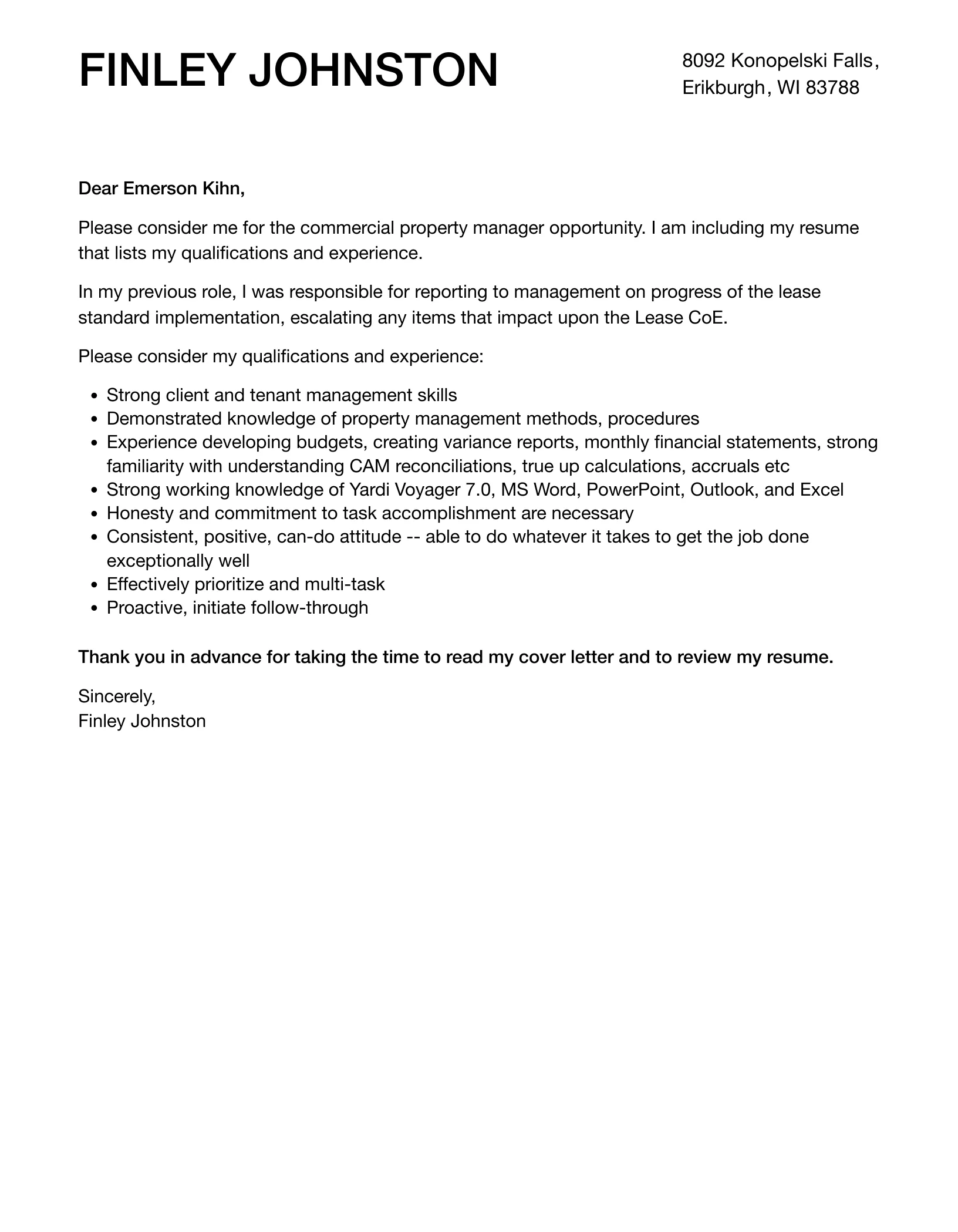
Property Manager Cover Letter Basics
A well-crafted property manager cover letter is your first impression on a potential employer, serving as a crucial tool to showcase your qualifications and enthusiasm for the role. It’s your opportunity to highlight your relevant skills, experience, and achievements, setting you apart from other applicants. A strong cover letter complements your resume, providing a narrative that demonstrates your suitability for the specific position. It should be concise, compelling, and tailored to each job application. Remember, the goal is to secure an interview, so the cover letter must persuade the hiring manager to learn more about you. This guide breaks down the essential elements to creating a winning cover letter that grabs the attention of prospective employers and significantly increases your chances of landing that coveted property manager position.
Header Information for Your Cover Letter
The header of your cover letter provides essential contact information, ensuring that the hiring manager can easily reach you. It establishes professionalism and attention to detail. A well-formatted header sets the tone for the rest of your letter and demonstrates that you understand the importance of proper business correspondence. Pay close attention to the order and accuracy of the details. A clear and correct header is a fundamental step in creating a professional document.
Your Name and Contact Information

Begin the header with your full name, displayed prominently at the top. Directly beneath your name, include your current phone number and professional email address. Ensure your email address is professional (e.g., firstname.lastname@email.com) rather than a casual one. Providing readily accessible contact information streamlines the hiring process for the employer.
Date of the Letter
Following your contact information, include the date you are sending the cover letter. This is typically the date the letter is written. The date provides context for the letter and indicates when the application was submitted.
Recipient’s Details
Include the recipient’s full name, title, and company name. If possible, address the letter to a specific person. Research the company to find out the hiring manager’s name or the name of the person who will be reviewing your application. This personalized approach demonstrates your initiative and attention to detail. Also, add the company’s address right after their name.
Opening the Cover Letter

The opening of your cover letter is your first opportunity to capture the hiring manager’s attention. It should immediately state the position you are applying for and, if possible, how you learned about the opportunity. Avoid generic openings; instead, aim for a personalized approach that reflects your genuine interest in the role and the company. A strong opening sets the tone for the rest of your letter and encourages the reader to continue reading. Use a professional and enthusiastic tone to create a positive first impression.
The Importance of a Strong Introduction
A strong introduction should immediately grab the reader’s attention and convey your enthusiasm for the position. Start by clearly stating the position you are applying for and where you saw the job posting. Then, briefly highlight your most relevant skills or experiences that align with the job requirements. Your introduction should make the hiring manager want to learn more about you by showcasing your suitability for the role right from the start. This section should be concise, engaging, and tailored to the specific job.
Tailoring Your Letter to the Job
One of the most crucial aspects of a successful cover letter is tailoring it to the specific job description. Generic cover letters rarely impress hiring managers because they don’t demonstrate a genuine understanding of the role or the company. Thoroughly review the job description and identify the key requirements, skills, and qualifications the employer is seeking. Then, align your cover letter to reflect these requirements by highlighting your relevant experience and skills. This targeted approach shows that you have carefully considered the position and are a well-suited candidate. This also allows you to address the company’s specific needs and demonstrate how you can contribute to their success.
Highlighting Relevant Skills and Experience

Use the body of your cover letter to highlight your relevant skills and experience. Focus on the qualifications that match the job description. Provide specific examples of your accomplishments and how you have used your skills in previous roles. Quantify your achievements whenever possible to demonstrate your impact. Clearly articulate how your experience aligns with the requirements of the property manager position to showcase your abilities and increase your chances of being noticed by the hiring manager.
Property Management Skills to Showcase
When highlighting your skills, focus on those most relevant to property management. This includes experience with tenant relations, financial management (budgeting, rent collection), property maintenance and inspections, lease administration, and vendor management. Demonstrate how you’ve successfully handled these responsibilities in the past. For example, mention how you improved tenant satisfaction, reduced maintenance costs, or increased occupancy rates in previous roles. Backing up your skills with concrete examples will make your letter more compelling. Emphasize your organizational, communication, and problem-solving skills.
Experience with Property Types
Property management experience varies depending on the type of properties managed. If the job posting specifies certain property types (e.g., residential, commercial, or mixed-use), tailor your letter to reflect your relevant experience. If you have experience with those property types, highlight it by providing specific examples of your accomplishments in managing similar properties. If the posting mentions a specific size of property, tailor your letter to those specifics as well. If you have experience with different types, mention all those, as it shows versatility and a wider range of abilities.
Quantifying Achievements

Quantifying your achievements makes your cover letter more impactful. Instead of simply stating that you improved tenant satisfaction, provide specific numbers. For example, you might say, “Increased tenant satisfaction scores by 15% through improved communication and responsiveness.” Quantify your successes by mentioning your role in reducing vacancy rates, decreasing maintenance costs, or improving rent collection efficiency. Use metrics, such as percentages or dollar amounts, to demonstrate the tangible impact of your work. This approach provides concrete evidence of your capabilities and makes your accomplishments more persuasive.
Demonstrating Your Knowledge
Demonstrate your knowledge of property management by showcasing your understanding of relevant laws, regulations, and best practices. Mention any certifications or licenses you hold, such as a Certified Property Manager (CPM) or a similar credential. Highlight your familiarity with property management software and tools. This shows the employer that you have a strong grasp of industry standards and are well-prepared to handle the responsibilities of the role. Being knowledgeable about the specifics of the field boosts your credibility.
Showcasing Your Communication Skills
Excellent communication skills are essential for property managers. Show how you communicate effectively with tenants, vendors, and other stakeholders. Provide examples of situations where you successfully resolved conflicts, addressed tenant concerns, or negotiated contracts. Highlight your ability to write clear, concise emails and reports, and showcase your verbal communication skills. Mention your ability to communicate complex information simply. Your communication skills are critical for building positive relationships and resolving issues effectively.
Writing the Body of Your Cover Letter

The body of your cover letter should expand on the information in your introduction and highlight your skills, experience, and achievements. Focus on providing specific examples that support your claims. Structure the body logically, using clear paragraphs and headings to make it easy for the reader to follow. Use strong action verbs to describe your responsibilities and accomplishments. Tailor the content to the specific requirements of the job. Your goal is to paint a vivid picture of your qualifications and demonstrate why you are the best candidate for the position.
Detailing Your Property Management Experience
In the body of your cover letter, provide a detailed account of your property management experience. Include the names of the properties you have managed, the number of units, and the types of properties (residential, commercial, etc.). Describe your key responsibilities in each role, such as overseeing maintenance, managing budgets, handling tenant issues, and ensuring compliance with regulations. Emphasize any special projects you have managed. The goal is to provide a comprehensive overview of your professional experience and show that you have a proven track record of success.
Addressing Specific Job Requirements
Carefully review the job description and directly address the specific requirements and qualifications the employer is seeking. Highlight relevant skills and experiences that match these needs. Give specific examples of how you have demonstrated these skills in previous roles. If the job description mentions specific software or tools, make sure to state if you have experience with them. Demonstrate how your skills and experience align with the specific requirements of the position. This tailored approach shows the hiring manager that you understand the job and are a well-suited candidate.
Using Keywords Effectively

Use keywords from the job description throughout your cover letter. This can help your application get noticed by applicant tracking systems (ATS) and make it clear to the hiring manager that you meet the job’s requirements. Incorporate relevant keywords naturally within your sentences and paragraphs. Don’t overdo it; ensure the language flows smoothly and remains professional. This strategic use of keywords helps showcase your qualifications and demonstrates that you possess the skills and experience the employer seeks.
Closing Your Cover Letter
The closing of your cover letter should leave a strong, positive impression. Summarize your key qualifications and reiterate your enthusiasm for the position. Keep it concise and professional. This is your final chance to make a lasting impression on the hiring manager. It should be well-crafted and leave a lasting impression, encouraging the reader to contact you.
Expressing Enthusiasm and Interest
Reiterate your enthusiasm for the property manager position and your interest in the company. Explain why you are excited about the opportunity and what you bring to the role. Show that you have researched the company and understand its mission and values. Expressing genuine enthusiasm and interest leaves a lasting impression and increases your chances of getting an interview.
Call to Action Requesting an Interview

Include a clear call to action by requesting an interview. Make it easy for the hiring manager to contact you by providing your phone number and email address. Thank the hiring manager for their time and consideration. Keep your call to action direct and professional. A well-crafted call to action encourages the hiring manager to take the next step in the hiring process.
Formatting and Proofreading
Formatting and proofreading are essential to ensure your cover letter is professional and error-free. Poor formatting and typos can undermine your credibility and decrease your chances of being selected. Pay close attention to the details and create a polished document that reflects your professionalism. Always proofread your cover letter carefully before submitting it, and consider having a second pair of eyes review it.
Formatting Guidelines
Use a professional font, such as Times New Roman, Arial, or Calibri, with a font size of 11 or 12 points. Use single-spacing for the body of your letter and a consistent margin of one inch on all sides. Ensure the text is aligned to the left, with a space between paragraphs. Keep the letter concise, aiming for one page in length. A well-formatted cover letter is easy to read and creates a positive impression.
Proofreading and Editing Tips
Always proofread your cover letter multiple times to catch any errors in grammar, spelling, and punctuation. Use a spell checker and grammar checker, but don’t rely on them completely. Read your letter aloud to catch awkward phrasing or unclear sentences. Consider having someone else review your cover letter for any errors or areas of improvement. This ensures that your letter is polished and professional, leaving the best possible impression.
Common Mistakes to Avoid
Avoid common mistakes that can hurt your chances of getting hired. Don’t send a generic cover letter that is not tailored to the job. Never include typos, grammatical errors, or incorrect contact information. Avoid exaggerating your skills or experience. Be truthful in your presentation. Do not use overly informal language or unprofessional email addresses. By avoiding these mistakes, you show that you have great attention to detail and high standards.
Template for Property Manager Cover Letter
Use a template to guide your cover letter writing process. A well-structured template can help you create a professional, organized letter. You can find a good template online, that you can customize to fit the job you are applying for. Make sure that you use the template as a starting point only and that you customize the letter to meet the job’s requirements.