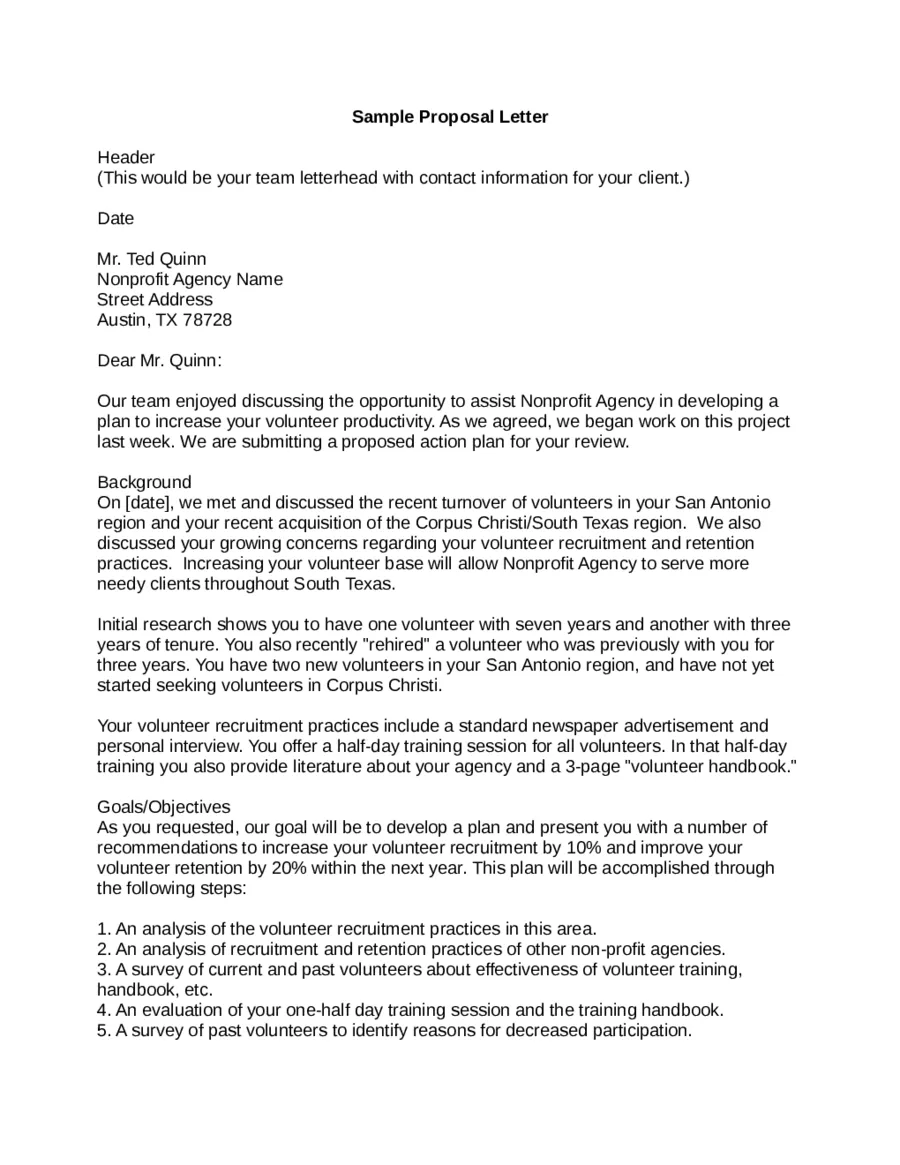
What is a Proposal Cover Letter?
A proposal cover letter is a crucial introductory document that accompanies a formal business proposal. It serves as a concise summary of the proposal’s key points and a personalized message to the recipient. Unlike the detailed proposal itself, which outlines the specifics of a project, product, or service, the cover letter aims to grab the reader’s attention, establish a professional tone, and encourage them to review the full proposal. It’s the first impression, setting the stage for a successful pitch. Think of it as your first handshake – it needs to be firm, friendly, and leave a positive impact.
Why is a Proposal Cover Letter Important?
The importance of a proposal cover letter cannot be overstated. It provides context for your proposal, ensuring the recipient understands the document’s purpose and significance. Without a well-crafted cover letter, your proposal might be overlooked or misinterpreted. It helps you establish a personal connection with the recipient, making them more receptive to your ideas. Furthermore, a strong cover letter demonstrates professionalism, attention to detail, and a commitment to clear communication – all qualities that enhance your credibility and increase your chances of success. It also summarizes the main points, saving the recipient time and showing respect for their busy schedule.
Key Elements of a Winning Proposal Cover Letter

A winning proposal cover letter comprises several essential elements, each playing a vital role in its overall effectiveness. These elements work together to create a compelling and persuasive document that captures the reader’s interest and encourages them to take action. Understanding and implementing these key components will significantly increase your chances of getting your proposal accepted and achieving your desired outcome. Let’s dive into each element, ensuring your cover letter is a cut above the rest.
Your Contact Information and Date
Begin your cover letter with your contact information – your name, title, company name, address, phone number, and email address. This information is crucial for the recipient to easily reach you with any questions or to discuss the proposal further. Include the date directly below your contact details; this provides context and allows for easy tracking of when the letter was sent. Consistency in this formatting is key to creating a professional and organized document. The date also helps with record-keeping.
The Recipient’s Information
Directly below your contact information, include the recipient’s details. This section includes the recipient’s name, title, company name, and address. This personalization demonstrates that you have taken the time to research and understand who you are addressing. Addressing the letter to a specific individual, rather than a generic title like ‘To Whom It May Concern’, greatly increases the chances of it being read by the intended person. Always double-check the accuracy of this information; a misspelled name or incorrect title can undermine your credibility.
Formal and Polite Salutation

Start your letter with a formal salutation, such as ‘Dear Mr./Ms./Dr. [Last Name]’ or ‘Dear [Recipient’s Name]’. If you don’t know the recipient’s name, use a formal greeting like ‘Dear Hiring Manager’ or ‘Dear [Department Name]’. Avoid overly casual greetings. The salutation sets the tone for the entire letter. It should be respectful and professional, showing consideration for the recipient. Using the correct title and spelling the name correctly is crucial. After the salutation, include a comma, not a colon, to maintain a professional tone.
Opening Paragraph: State Your Purpose
The opening paragraph of your cover letter is the most important part – it immediately grabs the reader’s attention. Clearly state the purpose of your letter and mention the proposal it accompanies. Briefly explain why you are writing and what you hope to achieve. This should be concise and to the point, immediately informing the recipient about the document. Also mention where the proposal comes from and when it was submitted (if applicable). For example, if you are responding to a Request for Proposal, mention that here.
Highlight Key Benefits
In the following paragraph(s), briefly summarize the main benefits of your proposal. Focus on the advantages the recipient will gain by accepting your proposal. This is where you demonstrate the value you offer. Highlight how your solution addresses the recipient’s needs or solves their problems. Quantify these benefits whenever possible using data, statistics, or specific examples. This section should be compelling, clearly illustrating why the recipient should choose your proposal over others. Focus on the ‘what’s in it for them’.
Demonstrate Understanding and Value

Show that you understand the recipient’s needs and the specific context of the situation. Tailor your letter to the recipient’s requirements by mentioning their challenges or goals. Briefly explain how your proposal aligns with their objectives. Demonstrating this understanding shows that you have thoroughly researched their needs and are not simply sending a generic proposal. Mention your understanding of the project scope and the outcomes the recipient is looking for.
Call to Action: What You Want
Clearly state what you want the recipient to do next. This could be requesting a meeting, asking for a decision, or simply asking them to review the proposal. Provide clear instructions and make it easy for them to take the desired action. Make the call to action direct and unambiguous, and include contact information so they know how to get in touch with you. This is your chance to guide the recipient towards the next step in the process.
Express Gratitude and Offer Contact
End your cover letter by expressing gratitude for the recipient’s time and consideration. Thank them for reviewing your proposal. Reiterate your willingness to discuss the proposal further. Provide your contact information again, in case it’s needed, and offer to answer any questions they might have. This shows courtesy and a commitment to excellent communication. Include a positive and professional closing that leaves a lasting impression.
Closing and Signature

Close your letter with a professional closing, such as ‘Sincerely’, ‘Regards’, or ‘Best regards’. Leave space for your handwritten signature above your typed name. Your signature adds a personal touch and demonstrates professionalism. The typed name provides clarity and ensures the recipient knows who sent the letter. Ensure your signature is legible and represents you in a professional manner. Always print and sign the letter to show that you’ve taken the time to put extra effort into your proposal.
Formatting Your Proposal Cover Letter
Proper formatting is crucial for a professional and easily readable cover letter. Use a standard business letter format, including one-inch margins, a readable font like Times New Roman or Arial, and consistent spacing. Ensure your letter is well-organized, with clear paragraphs and headings. Keep the tone professional and avoid slang or overly casual language. Use headings and subheadings to structure your letter for easy scanning and readability. Pay attention to the visual presentation of the document, making it clean and uncluttered. The formatting can significantly impact the first impression the reader gets from your proposal.
Choosing the Right Tone
The tone of your cover letter should be professional, respectful, and tailored to the recipient and the nature of your proposal. Maintain a positive and enthusiastic tone throughout the letter. Avoid using jargon or technical terms that the recipient might not understand. Be clear, concise, and avoid any negativity or criticism. The tone should align with the overall goals of your proposal and the values of your company or organization. The tone can make or break the success of the proposal. Be confident and show that you believe in your product or service.
Proofreading and Editing

Proofreading and editing are critical steps in creating a successful cover letter. Always thoroughly proofread your letter for any grammatical errors, spelling mistakes, or typos. Ensure that the information is accurate and up-to-date. Have someone else read the letter to catch any mistakes you might have missed. A well-written, error-free cover letter demonstrates professionalism and attention to detail. Typos and grammatical errors can undermine your credibility and make it appear you are careless. Take the time to ensure your cover letter is perfect before submitting it. Use a spell-checker and grammar checker.
Common Mistakes to Avoid in Proposal Cover Letters
Avoiding common mistakes can significantly improve your proposal cover letter. Many errors can undermine the effectiveness of your letter, so it’s important to be aware of the pitfalls. By taking steps to avoid these mistakes, you can create a more compelling and successful document that grabs the reader’s attention and motivates them to accept your proposal.
Overly Generic Content
One of the most significant mistakes is using overly generic content. Avoid using a template or a generic letter that could be sent to anyone. Instead, personalize your letter to the specific recipient and their needs. Tailor your letter to the specific proposal and the context of the situation. Generic content shows a lack of effort and a lack of understanding of the recipient’s needs and preferences, and can result in the proposal being immediately dismissed.
Typos and Grammatical Errors

Typos and grammatical errors can severely damage your credibility and professionalism. Always proofread your cover letter meticulously. Double-check for spelling errors, grammatical mistakes, and punctuation issues. A polished, error-free letter demonstrates attention to detail and a commitment to quality. Errors make you look careless and unprofessional, which can result in the recipient rejecting the proposal outright.
Lack of Personalization
Failing to personalize your cover letter is another common mistake. Always address the recipient by name and tailor your letter to their specific needs and interests. Avoid using generic greetings or content that could apply to anyone. Personalization shows that you have invested time and effort in understanding the recipient and their needs. This personalization immediately increases the chances that your proposal will be considered more carefully. It creates a connection with the reader.
Ignoring the Audience
Failing to consider your audience is another significant mistake. Always tailor your language, tone, and content to the specific recipient and their preferences. Research the recipient’s background, interests, and priorities to ensure your letter is relevant and engaging. Ignoring the audience can make your letter seem impersonal and irrelevant. Ensure your letter resonates with the recipient and their particular needs.
Examples of Effective Proposal Cover Letters
Reviewing examples of effective proposal cover letters can help you understand the best practices and formats. Many templates and samples are available online that you can use as a guide. Analyze how the best cover letters are structured, the language they use, and the overall tone. Adapting the examples to your specific situation will ensure that your cover letter is both informative and engaging. See how different companies and individuals approach the writing process. Many examples exist for a wide range of industries. Always adapt these examples to your specific needs.