Understanding the Importance of a Receptionist Cover Letter
In the competitive job market, especially for roles like a receptionist, a well-crafted cover letter can be your golden ticket to securing an interview. It’s more than just a formality; it’s your first opportunity to make a strong impression and distinguish yourself from other applicants. A cover letter allows you to tell a story about yourself that a resume alone cannot. It provides a space to showcase your personality, enthusiasm, and specific skills that align with the job requirements. By highlighting your unique qualifications and demonstrating your genuine interest in the company, you significantly increase your chances of landing the job. Remember, in many cases, the receptionist is the first point of contact, and a polished cover letter reflects your professionalism and attention to detail.
Why a Cover Letter is Crucial for Receptionist Roles
A receptionist role demands strong communication, organizational skills, and the ability to multitask effectively. A cover letter offers you the chance to emphasize these abilities, going beyond a simple list of qualifications. It gives you the platform to illustrate how your experiences have prepared you for the specific demands of the role. For example, if you’ve managed high call volumes or handled complex scheduling, a cover letter is the perfect place to elaborate on these achievements. Furthermore, it enables you to demonstrate your understanding of the company’s values and your enthusiasm for the opportunity. This personalized approach demonstrates that you’re not just sending out generic applications but are genuinely interested in the position.
Highlighting Relevant Skills

Receptionist positions require a diverse set of skills, and your cover letter is the perfect place to highlight them. Focus on the skills that are most relevant to the job description. These might include excellent communication skills, both written and verbal, proficiency in phone etiquette, experience with office software (like Microsoft Office or specific CRM systems), and the ability to manage calendars and schedules effectively. If the job description emphasizes customer service, be sure to provide examples of your customer service successes. Did you resolve a difficult customer issue? Did you go above and beyond to assist a client? Quantify your achievements whenever possible to make your skills more tangible and impressive.
Step 1 Research the Company
Before you start writing, invest time in researching the company. This is a critical step as it allows you to tailor your cover letter to their specific needs and values. Demonstrating that you understand the company’s mission, products or services, and culture will make your application stand out. This research will also help you understand the requirements of the role better and align your skills and experiences accordingly. It shows your genuine interest and initiative, qualities that hiring managers highly value. The effort to research the company will set a good tone and you will be at least a step ahead.
Why Company Research Matters
Company research is crucial for crafting a cover letter that resonates with the hiring manager. When you understand the company’s goals, values, and current projects, you can tailor your letter to highlight how your skills and experience align with their needs. This level of personalization demonstrates that you’re not just applying for any job, but are specifically interested in working for that particular company. Research also helps you identify keywords and phrases used in their job postings, which you can then incorporate into your cover letter to increase its relevance and visibility. By demonstrating this knowledge, you significantly increase your chances of getting noticed and making a positive impression.
How to Find Information

Several resources can help you gather information about a company. Start with the company’s website; explore their ‘About Us’ section, read their mission statement, and look for recent news or press releases. Social media platforms like LinkedIn, Facebook, and Twitter can provide insights into the company culture and recent activities. Search online for articles, reviews, and interviews featuring the company or its employees. If possible, look at their competitors and consider the industry trends. All this information will give you a more comprehensive understanding of the company and provide you with the specific details needed to tailor your cover letter effectively.
Step 2 Address the Hiring Manager
Addressing the hiring manager by name is a simple yet effective way to personalize your cover letter and make it more engaging. It shows that you’ve taken the time to identify the person responsible for hiring, demonstrating a level of attentiveness that generic greetings lack. It’s a sign of respect and attention to detail, which are essential qualities for a receptionist. By using the hiring manager’s name, you also make a better connection with the reader and make it more likely that they will pay attention to what you have to say. If you can’t find the hiring manager’s name, try to find it on LinkedIn or call the company to inquire. This effort makes a positive impact.
Proper Salutations
Choose your salutation based on your relationship with the hiring manager. If you know their name, ‘Dear Mr./Ms./Mx. [Last Name]’ is the most professional approach. If you have a more informal relationship, you might use ‘Dear [First Name]’. If you can’t find a specific name, you can use ‘Dear Hiring Manager’ or ‘Dear [Department Name] Hiring Team’. Ensure the salutation is appropriate for the company culture, as some may favor a more casual tone. Using the correct salutation sets the right tone for your entire cover letter, so it’s essential to get it right.
Avoiding Generic Greetings

Avoid generic greetings like ‘To Whom It May Concern’ or ‘Dear Sir/Madam.’ These phrases are impersonal and can make your application seem like a template rather than a customized expression of interest. Instead, always strive to find the hiring manager’s name or use a slightly more specific greeting, such as ‘Dear Hiring Team.’ This demonstrates that you’ve put in extra effort, which can make a positive impression. Personalizing your greeting demonstrates that you took the time to research the company and the position, which will set you apart from other applicants.
Step 3 Showcase Your Skills and Experience
This is where you make your case for why you’re the right fit for the receptionist role. Focus on the most relevant skills and experiences listed in the job description. Provide specific examples that demonstrate your abilities. Did you improve call handling efficiency? Did you streamline a scheduling process? Use action verbs to describe your accomplishments, such as ‘managed,’ ‘coordinated,’ ‘resolved,’ or ‘implemented.’ Be specific and quantify your achievements whenever possible. This will showcase your competence and make your cover letter more memorable.
Highlighting Relevant Skills
Receptionist positions demand a versatile skillset. Make sure you mention your communication skills (both verbal and written), your organizational abilities, and your proficiency with office software (such as Microsoft Office or specific CRM systems). If the job description emphasizes customer service, share examples of your excellent skills and the positive impact you had on resolving issues and building positive relationships. Also, include your experience with multitasking, managing schedules, and handling confidential information. By focusing on the relevant skills, you demonstrate to the hiring manager that you possess the necessary competencies to excel in the position.
Quantifying Achievements

Instead of simply stating your skills, quantify your achievements to make your cover letter more impactful. For example, instead of saying ‘Managed a high volume of calls,’ you could say ‘Managed an average of 100+ calls daily while maintaining a 95% customer satisfaction rate.’ Instead of saying ‘Improved scheduling,’ you could say ‘Reduced scheduling conflicts by 15% through implementing a new online booking system.’ Quantifying your accomplishments provides concrete evidence of your capabilities and demonstrates your impact on previous employers. This approach makes your application much more persuasive and shows that you are results-oriented.
Step 4 Demonstrate Enthusiasm and Fit
Your cover letter is also an opportunity to show your enthusiasm for the company and the role. Explain what attracts you to the position and why you want to work there. Show your genuine interest in the company’s mission, products, or services. Demonstrate that you’ve researched the company and understand its values. Explain how your career goals align with the company’s, and why you see yourself as a good fit. A passionate and enthusiastic tone will make a strong positive impression on the hiring manager. This is a way to connect with them on a personal level and demonstrate your eagerness to contribute to the team.
Expressing Your Interest
Express your interest in the specific role and the company. Explain why you’re drawn to the company’s mission, values, or culture. Mention anything that specifically excites you about the position. Demonstrate that you’ve thought about the role and how your skills and experiences align with its requirements. Show the hiring manager that you are genuinely enthusiastic about the opportunity. Expressing your interest is a great way to make your cover letter stand out from the crowd and demonstrate your genuine desire to be a part of the company.
Showing Personality
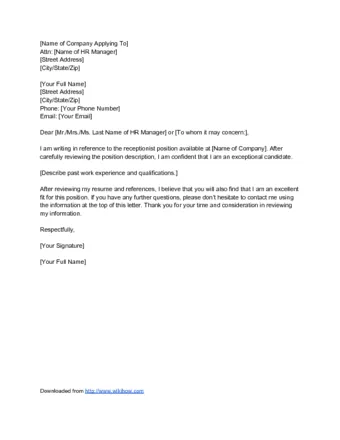
While professionalism is crucial, don’t be afraid to let your personality shine through. Use a conversational tone that reflects your genuine self. Showcase your personality in an appropriate and professional way. This can be done by including a brief anecdote or an observation about the company. When you highlight your positive qualities and values, you make a more memorable impression. Hiring managers appreciate candidates who are authentic, passionate, and able to connect on a personal level. Allowing your personality to come through demonstrates that you’re a well-rounded individual.
Step 5 Call to Action and Closing
Your cover letter should conclude with a clear call to action. This is your opportunity to request an interview and express your enthusiasm for the next steps in the hiring process. Reiterate your interest in the role and thank the hiring manager for their time and consideration. A strong call to action encourages the reader to take the next step and consider your application. A well-crafted closing reinforces your message, leaves a positive impression, and increases the likelihood of a response.
Requesting an Interview
Clearly state your desire for an interview. Express your availability and eagerness to discuss your qualifications further. For example, you could say, ‘I am eager to learn more about this opportunity and would welcome the chance to discuss my qualifications in an interview. I am available for an interview at your earliest convenience.’ This demonstrates your initiative and commitment to the role. Make sure your request is polite, confident, and aligns with the tone of your cover letter. Including a call to action increases the likelihood of receiving a response.
Professional Closing

Close your letter with a professional sign-off, such as ‘Sincerely,’ ‘Best regards,’ or ‘Thank you for your consideration.’ Proofread your letter carefully for any errors in grammar or spelling before submitting it. The closing and the signature create the final impression. Always include your full name and contact information, including your phone number and email address. Ensure that your contact information is accurate and up-to-date. Ensure that your name matches the one on your resume.