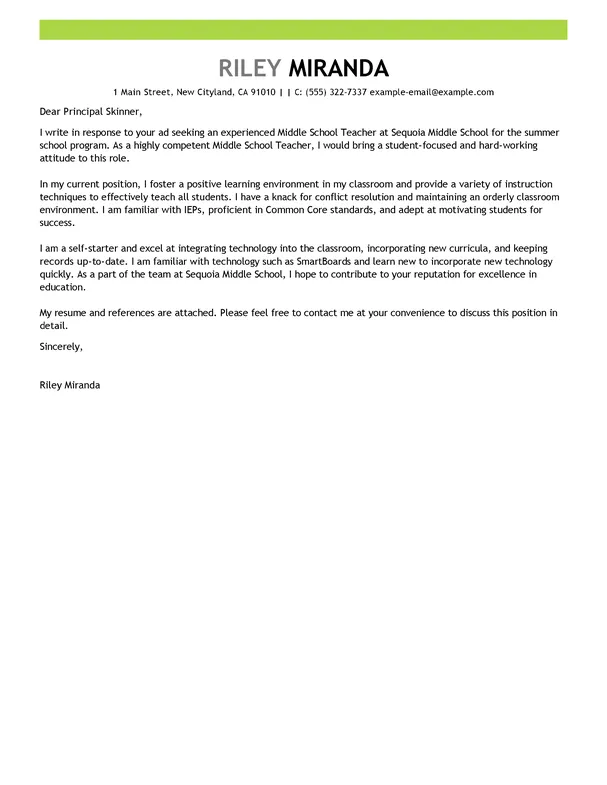
What is a Resume Cover Letter Education
A resume cover letter is a vital document that accompanies your resume when applying for jobs. It serves as an introduction, providing a concise overview of your qualifications, skills, and experiences. Specifically, a resume cover letter education highlights your educational background, demonstrating how your academic achievements align with the requirements of the position you’re seeking. It’s an opportunity to showcase your passion for the field and to persuade the hiring manager that you’re a strong candidate. Crafting a well-written cover letter education can significantly increase your chances of landing an interview by capturing the reader’s attention and making a memorable impression. The letter offers a platform to tell your story, connect your education to the job, and express genuine enthusiasm, something a resume alone cannot always achieve. Therefore, invest time in creating a personalized cover letter that showcases your unique value.
Importance of a Cover Letter
The importance of a cover letter in the job application process cannot be overstated. It is your chance to make a first impression that goes beyond the facts listed in your resume. A well-crafted cover letter allows you to highlight your personality, communication skills, and enthusiasm for the position. It demonstrates that you have taken the time to understand the role and the company, tailoring your application to their specific needs. Cover letters also provide an opportunity to explain any gaps in your employment history or to address specific requirements mentioned in the job description. They give you space to elaborate on experiences and skills that are relevant but not fully detailed in your resume. Many hiring managers see a cover letter as a crucial element in the decision-making process, using it to gauge your interest and assess your fit within the company culture. Submitting a cover letter, when requested, shows your attention to detail and initiative, setting you apart from candidates who don’t.
Key Elements of a Resume Cover Letter Education

A compelling resume cover letter education must include several key elements to be effective. Start with a professional header that includes your contact information (name, phone number, email address, and possibly your LinkedIn profile URL) and the date. Address the letter to the hiring manager, if possible; researching the name of the person responsible for hiring shows initiative. Begin with an engaging opening statement that captures their attention immediately and states the position you’re applying for. In the body of the letter, highlight your relevant education, focusing on degrees, specializations, and significant coursework that aligns with the job requirements. Include a section that showcases your skills and experience, providing specific examples of your accomplishments. Finally, close with a strong call to action, expressing your enthusiasm and indicating your availability for an interview, and thank them for their time and consideration. Each element should be crafted to create a persuasive narrative that showcases your suitability for the job.
Header and Contact Information
Your cover letter’s header is the first impression, and it must be accurate and professional. At the top, include your full name, followed by your contact information. This should include your phone number, a professional-looking email address, and, optionally, a link to your LinkedIn profile or personal website. Ensure the information is easily readable and presented in a clear, organized manner. The header provides the recruiter with immediate access to your contact details, making it easy for them to reach out to you. Make sure the date is also included, as it helps the reader to know when you submitted your application. Always double-check the accuracy of your contact details to avoid any missed opportunities. A well-formatted header sets a professional tone and demonstrates your attention to detail.
Opening Statement, Grab Attention
The opening statement of your cover letter is critical; it’s your chance to immediately grab the reader’s attention and make them want to read further. Avoid generic openings like “I am writing to express my interest…” Instead, start with a compelling hook. Mention how you discovered the opportunity, showcase your enthusiasm for the company or role, and briefly state why you’re a great fit. If you have a mutual connection with the company, mention that upfront. Highlight one or two key qualifications or accomplishments that are directly relevant to the job description. The goal is to create an immediate positive impression and entice the hiring manager to read the rest of the letter. Keep the opening concise, focused, and tailored to the specific job and company. A strong opening sets the stage for the rest of the letter and motivates the reader to learn more about your qualifications.
Highlighting Your Education

When writing a resume cover letter education, the education section is a key area. Clearly list your degrees, the institutions you attended, and the years of attendance or graduation. Focus on your major, any relevant minors, specializations, or areas of study. Highlight academic achievements such as honors, scholarships, or a high GPA, particularly if you are a recent graduate or the job description values academic performance. Provide specific examples of coursework, projects, or research that are relevant to the job requirements. If your degree is in a different field from the job but still relevant, explain how your education has provided you with transferable skills. Tailor this section to each job application; emphasize educational elements that best align with the employer’s needs. This demonstrates your understanding of the role and your commitment to the field.
Showcasing Academic Achievements
To make your resume cover letter education stand out, specifically showcase your academic achievements. Mention your GPA, especially if it is high or if the job description specifies it. List any academic honors, such as Dean’s List, Summa Cum Laude, or scholarships. If you participated in research projects, briefly describe the project, your role, and the outcomes. Highlight any relevant coursework or projects that align with the job requirements, providing brief details of the tasks and the skills you developed. Any publications or presentations you made during your academic career are worth including. Mention any awards or recognition you received, such as awards for academic excellence. The goal is to provide tangible evidence of your academic success and demonstrate how your education has prepared you for the role you’re applying for. Be specific and quantify your achievements whenever possible to make a strong impact.
Skills and Experience
The skills and experience section of your resume cover letter education is where you showcase your practical abilities and experiences. Start by listing the skills required for the job, as mentioned in the job description. Provide specific examples from your coursework, internships, or previous jobs to demonstrate these skills. Use action verbs to describe your responsibilities and accomplishments. Quantify your achievements whenever possible, using numbers and data to show the impact of your work. If you have relevant work experience, briefly explain your roles, responsibilities, and key accomplishments. For each item, emphasize how the experience prepared you for the job. This section provides the recruiter with clear evidence that you not only possess the necessary skills but also have experience using them. This shows that you are a strong candidate who can bring value to the organization from day one.
Relevant Skills

To highlight relevant skills in your resume cover letter, carefully review the job description and identify the required skills. Divide your skills into categories such as technical skills, soft skills (communication, teamwork), and industry-specific skills. For each skill, provide a specific example of how you have utilized it in the past, whether from coursework, projects, or previous work experience. If the job description emphasizes certain skills, make sure to highlight these prominently. Avoid simply listing skills; instead, show how you have used them to achieve results. Use action verbs to describe your accomplishments, for instance, “managed,” “developed,” or “analyzed.” Quantify your achievements whenever possible to make the skills more impactful, like “increased sales by 15%.” Ensure the skills listed directly correlate with the job requirements and make your application immediately relevant. This ensures that your application addresses the employer’s needs.
Work Experience
Your resume cover letter should include a section detailing your work experience, particularly if it is relevant to the job you are applying for. Describe your roles and responsibilities, focusing on the tasks and achievements most pertinent to the job requirements. Use action verbs to start your sentences and provide clear examples of your contributions. Quantify your accomplishments whenever possible, using numbers and data to showcase the impact of your work. If you have held multiple positions, list them in reverse chronological order. For each position, briefly explain your main duties and highlight how your skills were utilized and how you contributed to your previous employers’ success. When detailing work experience, tailor each description to the specific job you are applying for. Highlight the skills and experiences that align directly with the job description to demonstrate your suitability and make your application more impactful. Even part-time jobs or internships can provide valuable experience.
Closing the Letter
The closing of your resume cover letter is the last impression you will make on the hiring manager, so make it count. Express your enthusiasm for the position and reiterate your interest in the role. State that you are available for an interview and include your contact information for easy access. Thank the hiring manager for their time and consideration. End with a professional closing, such as “Sincerely” or “Respectfully,” followed by your full name. Proofread the entire letter one last time to ensure there are no errors or typos. Your closing should be polite, professional, and leave the hiring manager with a positive, memorable impression. The closing is the final opportunity to express your interest in the role and set yourself apart from other candidates.
Call to Action

A strong call to action in your cover letter encourages the hiring manager to take the next step, which is usually scheduling an interview. Express your enthusiasm for the position and the company again, and then clearly state your availability for an interview. Mention that you are eager to discuss your qualifications further and how you can contribute to the team. Include your contact information, making it easy for the hiring manager to reach you. Do not be overly passive; be confident and direct, indicating your eagerness to learn more about the opportunity and the next steps. The call to action is not just a formality; it is a direct request, designed to move your application forward. A well-placed call to action can significantly increase the likelihood of receiving an invitation to an interview and moving to the next phase of the hiring process.
Proofreading and Formatting
Proofreading and formatting are essential to ensuring your resume cover letter education leaves a positive and professional impression. Before submitting your application, thoroughly proofread your letter for any grammatical errors, typos, or punctuation mistakes. Pay attention to sentence structure, word choice, and the overall flow of your writing. Ensure your cover letter is well-organized and easy to read. Use a clear, professional font like Times New Roman, Arial, or Calibri, and maintain consistent font sizes throughout the document. Use standard margins and spacing to ensure the letter is visually appealing. A well-formatted cover letter shows attention to detail, professionalism, and respect for the hiring manager’s time. A polished and error-free cover letter is a demonstration of your attention to detail, and it is a must for a job application.
Proofreading Tips
Proofreading is a critical step in the cover letter writing process. After completing your draft, set it aside for a few hours or overnight to come back with fresh eyes. Read your cover letter aloud, as this helps you catch errors you might miss when reading silently. Use grammar and spell-checking tools, but do not rely on them entirely; they can sometimes miss subtle errors. Look for common mistakes such as subject-verb agreement, incorrect word usage, and punctuation errors. Ask a friend, family member, or career advisor to review your cover letter as a second pair of eyes can catch errors you might have missed. Ensure your cover letter is concise, easy to understand, and tailored to the specific job and company. Thorough proofreading ensures your letter presents you as a skilled, professional candidate.
Formatting Guidelines

Adhering to formatting guidelines is crucial for creating a professional and readable resume cover letter. Choose a standard, easy-to-read font, such as Times New Roman, Arial, or Calibri, and use a font size between 10 and 12 points. Use consistent formatting throughout the document, including font style, size, and spacing. Use standard 1-inch margins on all sides of the page. Align the text to the left, avoiding full justification, which can create uneven spacing. Use single-line spacing within paragraphs and double-line spacing between paragraphs to improve readability. Break up the text using headings, subheadings, and bullet points to highlight key information and make the letter easy to scan. Make sure your name, contact information, and the date are clearly visible at the top of the letter. A well-formatted cover letter reflects your professionalism and attention to detail.
Resume Cover Letter Education Examples
Reviewing resume cover letter education examples can provide valuable insights into formatting, content, and tone. Use examples to gain inspiration for the structure, language, and key elements to include in your letter. Adapt the examples to your specific situation by customizing them with your own educational background, skills, and experiences. Analyze the different approaches used in the examples to understand how to best showcase your qualifications. Pay attention to how the examples highlight achievements, skills, and how they tailor the content to match the job description. Remember, you should not copy and paste from examples. Rather, they serve as a guide to help you create an original, personalized cover letter that reflects your own unique qualifications and career goals. Use examples to understand how to present your background effectively.
Example for Entry-Level Candidates
For entry-level candidates, a resume cover letter education should focus on showcasing academic achievements, relevant coursework, and any internships or extracurricular activities. Highlight any skills gained through your education that are applicable to the job. If you have limited work experience, emphasize transferable skills, such as communication, teamwork, and problem-solving. Mention any honors, awards, or academic projects that demonstrate your abilities. Tailor the letter to the specific requirements of the job and express your enthusiasm for the role and the company. A well-crafted cover letter for entry-level positions helps make a strong first impression and highlights your potential.
Example for Experienced Professionals

Experienced professionals should use their cover letter to highlight their work experience, relevant skills, and career achievements. Clearly state your accomplishments and how they benefited your previous employers. Emphasize any leadership roles, project management experience, and specific technical skills. Tailor your letter to the job description, and provide details on any past projects. Quantify your achievements whenever possible, using numbers and data to showcase the impact of your work. Briefly mention your education and how it relates to your professional path, but the primary focus should be on demonstrating your value through past accomplishments and experiences. A cover letter from an experienced professional will highlight their history and what they will bring to the company.