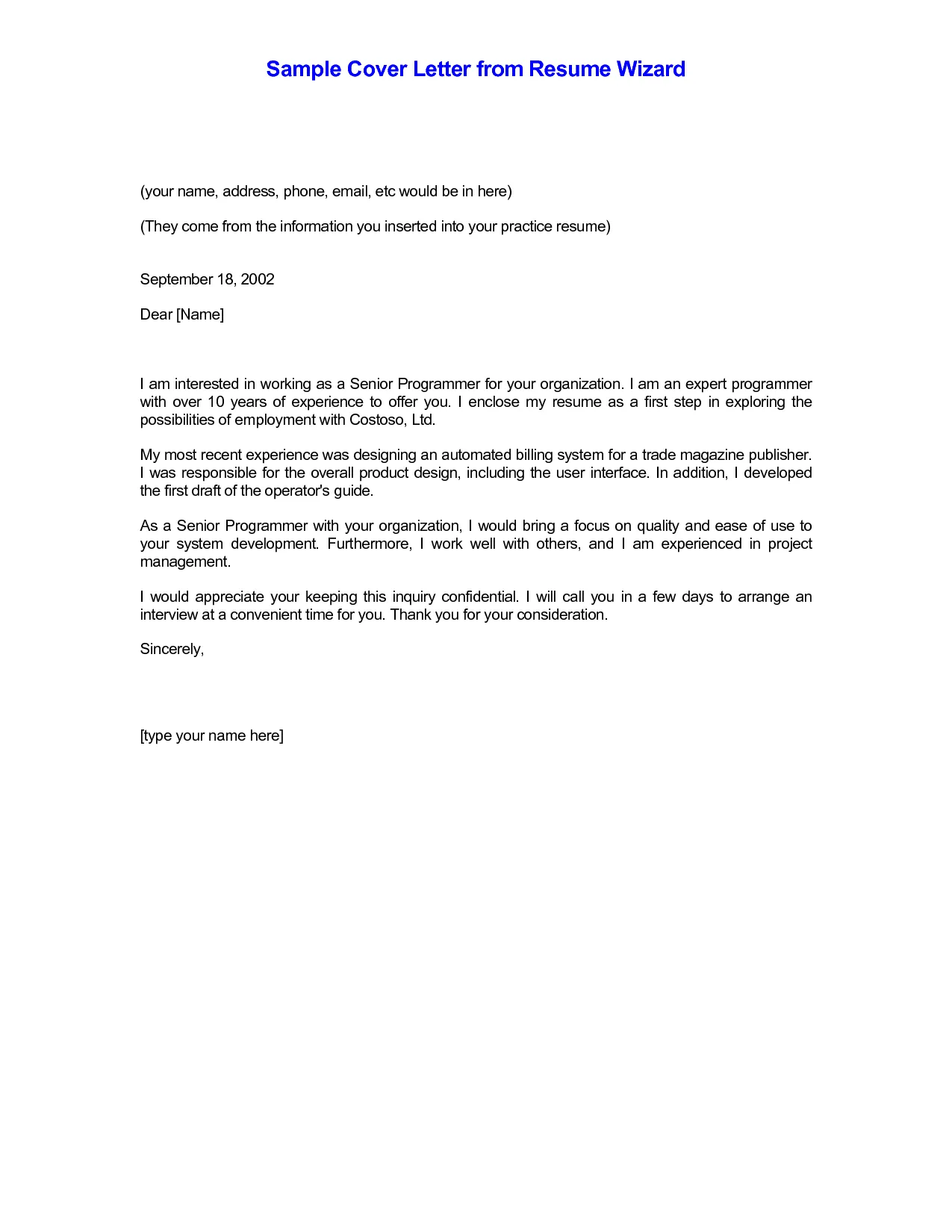
What is a Resume Cover Letter?
A resume cover letter is a document you send along with your resume when applying for a job. It serves as an introduction to your resume and an opportunity to highlight your key skills, experiences, and qualifications in more detail. Unlike a resume, which provides a snapshot of your work history, a cover letter allows you to explain why you are the perfect fit for the specific role and company. It’s your chance to make a strong first impression and persuade the hiring manager to read your resume. Crafting a well-written cover letter is essential for making a positive impact and increasing your chances of getting an interview. It goes beyond simply listing your past responsibilities; it demonstrates your personality, communication skills, and genuine interest in the opportunity.
Why is a Cover Letter Important?
A cover letter is important because it allows you to personalize your job application and explain why you’re a great fit for the specific position and company. It demonstrates your communication skills, attention to detail, and genuine interest in the role. Moreover, a cover letter provides context to your resume, helping the hiring manager understand the relevance of your experience and skills. It’s an opportunity to highlight achievements, explain career transitions, and showcase your personality, making you more than just a list of qualifications. In a competitive job market, a well-written cover letter can set you apart from other applicants and increase your chances of getting an interview. It’s your chance to create a compelling narrative that complements your resume and shows why you’re the ideal candidate.
Key Components of a Cover Letter

A well-structured cover letter includes several key components that work together to present you as a strong candidate. These include a clear header with your contact information, a professional salutation, compelling body paragraphs that highlight your skills and experiences, and a strong closing with a call to action. Each section of your cover letter plays a vital role in communicating your qualifications and enthusiasm for the job. A concise and well-organized cover letter is easier to read and more likely to engage the hiring manager. By carefully crafting each part, you can create a persuasive document that effectively conveys your value and increases your chances of securing an interview. Remember to keep it concise and to the point to keep the reader engaged.
Header and Contact Information
Your cover letter header should include your full name, address, phone number, and email address. It is crucial to ensure that your contact information is up-to-date and professional. Make sure to use a professional-sounding email address. Also, if you are applying for a job in a specific country, format your address appropriately. Ensure your contact details are easy to find and read. Including a link to your LinkedIn profile can also be beneficial, providing the hiring manager with additional information about your professional background. The header sets the tone for your letter, presenting you as organized and professional. Double-check all details for accuracy to avoid any errors that could hinder your application.
Salutation
The salutation is the opening greeting of your cover letter. If possible, address the hiring manager by name; research the company to find out who the hiring manager is. A personalized salutation shows you’ve put in the effort to learn about the company and the role. If you can’t find a specific name, use a professional greeting such as “Dear Hiring Manager.” Avoid generic greetings like “To Whom It May Concern,” which can make your letter seem impersonal. Maintain a professional tone throughout the salutation and ensure your greeting is appropriate for the company culture and the specific job you’re applying for. A well-chosen salutation sets a positive tone and shows you’ve taken the time to tailor your letter to the recipient.
Body Paragraphs

The body paragraphs are the heart of your cover letter. This section allows you to explain why you are the ideal candidate. Break down the information into several paragraphs. Each paragraph should focus on a specific aspect of your qualifications. Make sure the paragraphs are concise, well-structured, and engaging. Use clear and straightforward language and avoid jargon. The content should highlight your skills, experiences, and accomplishments. Focus on how your qualifications align with the job requirements. Show enthusiasm for the position and the company and explain how you can contribute to their success. Effective body paragraphs convince the hiring manager to see you as a top applicant.
First Paragraph Explain Your Intent
The first paragraph should immediately state the position you’re applying for and how you found the job. Briefly mention your enthusiasm for the opportunity and the company. Make a strong opening statement that grabs the reader’s attention and makes them want to read on. Consider briefly summarizing your key skills and experiences, but avoid simply repeating what is in your resume. It’s your chance to demonstrate your passion and interest in the role. The first paragraph sets the tone for the rest of your letter. It should be concise, engaging, and clearly indicate your purpose. This helps the hiring manager quickly understand why you’re writing and what you’re hoping to achieve. Aim to capture the hiring manager’s attention from the start.
Second Paragraph Show Your Value
The second paragraph should showcase your relevant skills, experiences, and accomplishments. Focus on what makes you a strong fit for the role. Provide specific examples and quantify your achievements whenever possible. Use the job description as a guide to highlight the skills and experiences that match their requirements. Explain how your past experiences have prepared you for the new role. Use action verbs to describe your accomplishments. Show, don’t just tell, how you have contributed to your previous companies or projects. This paragraph is your opportunity to convince the hiring manager that you have the necessary skills and experience. It is a vital part of your cover letter that makes you stand out.
Third Paragraph Call To Action

The third paragraph should reiterate your interest in the position and the company. Briefly summarize your key qualifications and restate your enthusiasm. Include a call to action, such as expressing your desire to discuss your application further in an interview. Thank the hiring manager for their time and consideration. Be polite and professional in your closing statement. This paragraph is your final chance to leave a positive impression. Your call to action should be clear, concise, and leave a lasting impression, signaling your eagerness to move to the next stage in the hiring process. Make sure that your letter is not too long, and end with a thank you.
Closing and Signature
Your closing should be professional and courteous. Use a closing such as “Sincerely,” “Best regards,” or “Respectfully.” Follow the closing with your typed name. Consider adding your handwritten signature if you are submitting a hard copy. Double-check the closing and signature to ensure they are correctly formatted and appropriate for the company culture. A well-written closing reflects professionalism and consideration. This gives the hiring manager a positive impression. This is the last thing the hiring manager will read, so make it count by maintaining the professional tone throughout the letter. Make sure to proofread the entire letter before submitting it.
Formatting Your Cover Letter
Formatting is crucial for ensuring your cover letter is easy to read and visually appealing. Choose a simple, professional font like Times New Roman, Arial, or Calibri. Use a font size of 11 or 12 points for body text and 14-16 points for headings. Use one-inch margins on all sides of the document. Ensure your text is left-aligned, with a justified text only in specific cases. Use clear, concise spacing between paragraphs and sections. Avoid excessive use of bolding, underlining, or italics, and maintain a consistent format throughout the entire document. Good formatting shows attention to detail and makes your letter more readable, which increases the chances of engaging the reader. A well-formatted cover letter displays professionalism and makes a good first impression.
Choosing the Right Font and Size

Select a professional and readable font for your cover letter. Avoid overly decorative or unusual fonts. Times New Roman, Arial, and Calibri are popular, reliable choices that are easy on the eyes. The font size should be between 11 and 12 points. Use a larger font size (14-16 points) for headings to make them stand out. Ensure the font size is appropriate for easy reading. Maintain consistency in your font choices and sizes throughout the entire document. Appropriate font choice and size ensure readability, making it easier for the hiring manager to review your qualifications. Professional font choices show attention to detail and a commitment to presenting your application in the best possible light.
Proofreading and Editing
Proofreading and editing are essential steps to ensuring your cover letter is error-free. Read your cover letter carefully to catch any grammatical errors, typos, and punctuation mistakes. Check the spelling of names, job titles, and company names. Use spell-check and grammar-check tools, but don’t rely on them completely. Have a friend, family member, or career advisor review your letter for clarity and accuracy. Make sure your cover letter is well-written and easy to understand. A clean, error-free cover letter shows attention to detail and respect for the hiring manager. Always proofread and edit your cover letter before submitting your application.
Tips for Writing a Strong Cover Letter
Creating a strong cover letter requires careful planning and execution. Start by tailoring your letter to each job application, highlighting relevant skills and experience, and using action verbs to describe your accomplishments. Show enthusiasm and passion for the role and the company. Proofread your letter carefully to avoid any errors. By following these tips, you can significantly increase your chances of making a strong impression and securing an interview. A strong cover letter provides a compelling narrative that supports your resume and shows why you are the best candidate for the job. A well-written cover letter is your opportunity to market yourself effectively and stand out from other applicants.
Tailor Your Letter to Each Job

Customization is key when writing a cover letter. Avoid using a generic template. Customize your cover letter to match the specific requirements and qualifications listed in the job description. Research the company and demonstrate your understanding of its mission, values, and goals. Highlight the skills and experiences most relevant to the position you are applying for. Use keywords from the job description in your cover letter. Tailoring your cover letter shows that you have taken the time to understand the job and the company. It demonstrates your genuine interest and makes you a more compelling candidate. Customization enhances the impact of your letter.
Highlight Relevant Skills and Experience
Focus on the skills and experiences that align with the job requirements. Review the job description and identify the key skills and experiences that the employer is seeking. Provide specific examples and highlight accomplishments. Explain how your skills and experiences have prepared you for the new role. Provide evidence of your abilities to illustrate your points. Quantify your achievements whenever possible. Highlighting relevant skills and experience makes it easy for the hiring manager to see how your qualifications match the job’s needs. Make sure you address any critical gaps in your resume. By aligning your qualifications with the job description, you present yourself as a strong candidate.
Use Action Verbs
Use action verbs to describe your accomplishments and responsibilities. Action verbs make your cover letter more dynamic and engaging. Start each sentence with a strong action verb. Examples include “managed,” “led,” “achieved,” “developed,” “created,” and “implemented.” Use action verbs to showcase your achievements and quantify your results. Avoid passive language and focus on what you have done and what you have accomplished. Action verbs show you are proactive and results-oriented, giving the hiring manager an understanding of your abilities. It’s a great way to enhance the impact of your cover letter and make it more compelling.
Show Enthusiasm and Passion

Show enthusiasm and passion for the role and the company. Express genuine interest in the opportunity and the organization. Explain why you are excited about the position. Highlight what attracts you to the company and its mission. Show that you have done your research about the company. Mention how your personal and professional goals align with the company’s values. Your enthusiasm can significantly influence the hiring manager. Passion communicates your commitment to the role. By showing passion, you make a positive impression and stand out from other applicants. Show your genuine interest in the company and the position.
Cover Letter Examples
Reviewing cover letter examples can provide valuable insight and inspiration. Look for examples that are relevant to the type of job you are applying for. Analyze how the examples are structured, the language used, and the information presented. Adapt and personalize the examples to fit your own skills and experience. Use these examples to learn and enhance your cover letter writing. Use this as a starting point, and add your personal touch. Cover letter examples can help you get a better understanding of what a successful cover letter looks like. These examples will assist you in creating a more compelling and effective application. Look for examples relevant to your industry.
Entry-Level Cover Letter
An entry-level cover letter should focus on your education, relevant coursework, internships, volunteer work, and any other experiences. Highlight any transferable skills you have gained. Emphasize your enthusiasm and willingness to learn. Show how your skills and experiences align with the job requirements. Since you may have limited professional experience, concentrate on demonstrating your potential. Mention any projects, extracurricular activities, or other experiences that showcase your initiative. Make sure your tone is confident and enthusiastic, showing that you are eager to start your career. Show your genuine interest and express your eagerness to learn and contribute.
Experienced Professional Cover Letter
For experienced professionals, the cover letter should highlight your significant accomplishments and skills. Focus on demonstrating how your experience has prepared you for the new role. Provide specific examples and quantify your achievements whenever possible. Highlight your leadership skills and any contributions you have made to previous organizations. Showcase any projects or initiatives you have managed or been involved in. Demonstrate how your skills and experience align with the job requirements. Emphasize the value you can bring to the company. A strong cover letter clearly demonstrates your value and makes a strong impression.
Cover Letter for a Specific Position
A cover letter tailored to a specific position should be very specific and detailed. Use the job description to identify the key skills and experiences that are being sought. Address each requirement individually and provide specific examples. Demonstrate how your skills and experiences align with the job requirements. Use keywords from the job description in your cover letter. Research the company and show your understanding of its mission, values, and goals. Clearly state your interest in the position and the company. This level of detail and customization sets you apart. Showing that you’ve understood the specific requirements of the role demonstrates your dedication.
Common Mistakes to Avoid
Avoiding common mistakes is essential for creating an effective cover letter. These mistakes can damage your chances of getting an interview. Generic cover letters, typos, and grammatical errors can quickly lead to rejection. Failing to tailor your letter to the job description or not proofreading your work can have serious consequences. Make sure your cover letter is well-written, professional, and tailored to the specific job. By avoiding these common pitfalls, you can ensure your cover letter makes a positive impression on the hiring manager. A well-crafted cover letter will set you apart from the crowd and increase your chances of landing an interview.
Generic Cover Letters
Avoid using generic cover letters. They show a lack of effort and demonstrate you have not taken the time to understand the role. Generic cover letters do not impress hiring managers. The lack of personalization makes it clear that you are using a standard template. Customize your cover letter for each job application. Highlight relevant skills, experiences, and achievements that align with the job description. Generic letters lack impact and convey a lack of interest in the specific opportunity. Tailor each cover letter to the specific job. Put in the effort to personalize your application, and it will make a better impact.
Typos and Grammatical Errors
Typos and grammatical errors make you look unprofessional and can damage your credibility. These mistakes signal a lack of attention to detail. Errors can make your cover letter difficult to understand. Always proofread your cover letter carefully. Use spell-check and grammar-check tools. Ask someone else to review your letter for errors. A clean, error-free cover letter showcases your professionalism. This demonstrates that you are reliable and care about your application. Proofreading is a crucial step in the cover letter writing process, so always make sure to complete this step.
Ignoring the Job Description
Ignoring the job description is a critical mistake. The job description is your guide to what the employer is looking for. Tailor your cover letter to the specific requirements of the job. Highlight the skills and experiences mentioned in the job description. Use keywords from the job description in your cover letter. Demonstrate how your qualifications match the employer’s needs. Ignoring the job description shows a lack of attention to detail. By aligning your cover letter with the job description, you demonstrate that you have the qualifications that the employer is seeking. Make sure to read the job description carefully.
Submitting Without Proofreading
Submitting your cover letter without proofreading is a significant mistake. Proofreading is essential for ensuring your cover letter is error-free. Proofreading ensures your cover letter is easy to read and free of mistakes. Proofreading is the last step before you submit your application. Reviewing for any errors helps you make sure your application is professional. Always proofread your cover letter to catch errors. Proofreading shows attention to detail and respect for the hiring manager. Don’t skip the proofreading process. If possible, have someone else review your letter as well.
In conclusion, a well-crafted cover letter is an essential tool in your job search. It provides an opportunity to make a strong first impression, highlight your skills and experiences, and show your enthusiasm for the role and the company. By following the tips and avoiding the common mistakes outlined in this guide, you can create a cover letter that will capture the attention of hiring managers and increase your chances of getting an interview. Take the time to tailor your cover letter to each job application, and be sure to proofread it carefully before submitting. Writing a great cover letter is your chance to show that you are the best candidate for the job.