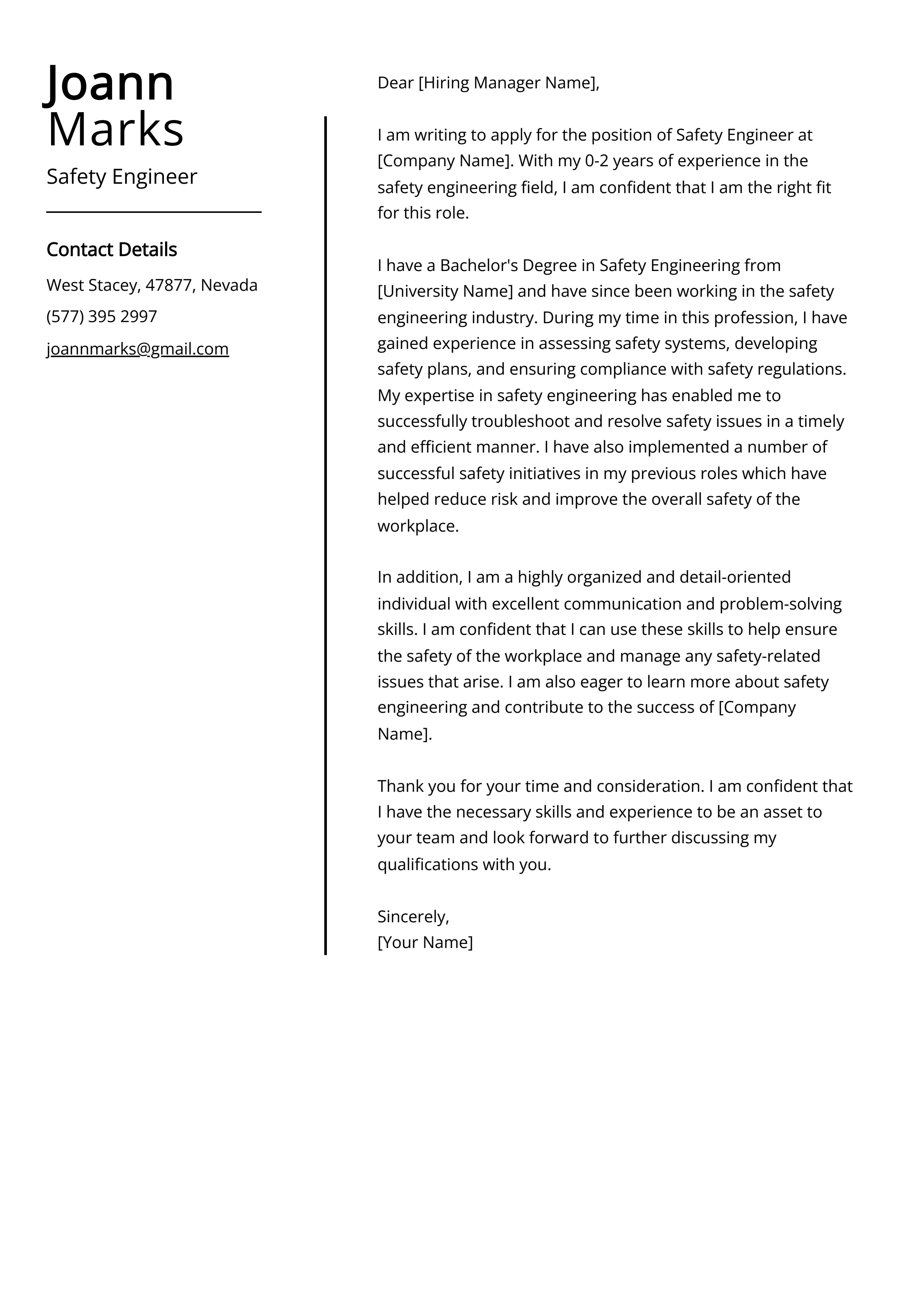
Understanding the Purpose of a Safety Professional Cover Letter
A well-crafted safety professional cover letter is your first impression. It’s your opportunity to introduce yourself, highlight your key skills and experience, and demonstrate why you’re the perfect fit for the job. Unlike your resume, which provides a factual overview of your background, your cover letter allows you to showcase your personality, your passion for safety, and your understanding of the specific requirements of the role and company. This document is your chance to connect with the hiring manager on a personal level and to explain why you are the ideal candidate. A compelling cover letter will not only get you noticed but also significantly increase your chances of landing an interview.
Why a Cover Letter Matters
In a competitive job market, a cover letter is essential. It provides context to your resume, offering an opportunity to expand on your qualifications and tailor your application to the specific job requirements. It allows you to showcase your communication skills, which are critical in a safety role. A cover letter helps you distinguish yourself from other applicants by demonstrating your genuine interest in the company and the position. It’s also a chance to address any potential gaps in your resume or explain career transitions. By taking the time to write a thoughtful cover letter, you signal your commitment and professionalism, making you a more attractive candidate to potential employers. Your cover letter is not just a formality; it is a strategic tool.
Highlighting Your Skills and Experience

Your cover letter is where you highlight your relevant skills and experience in a concise and compelling manner. Focus on the skills and experiences that are most relevant to the job description. This could include knowledge of safety regulations, experience with hazard identification and risk assessment, or expertise in safety training and program development. Provide specific examples of how you’ve used these skills to achieve positive outcomes in previous roles. Quantify your achievements whenever possible, such as the number of safety incidents reduced or the percentage of employees trained. This demonstrates your value and provides concrete evidence of your capabilities. Show, don’t just tell; provide examples and data to back up your claims.
Key Components of a Compelling Cover Letter
Your Contact Information and the Date
At the top of your cover letter, include your full name, address, phone number, and professional email address. Make sure this information is accurate and up-to-date. Following your contact information, include the date. This establishes a professional format and allows the hiring manager to easily reach you. This section is crucial for professionalism and helps to ensure that the hiring manager can readily contact you if needed, setting the foundation for clear communication.
The Hiring Manager’s Information

Always address your cover letter to a specific person, if possible. Research the company and identify the hiring manager or the person responsible for reviewing applications. Addressing the letter to a specific individual shows that you’ve taken the time to learn about the company and the role. If you can’t find a specific name, use a professional salutation such as “Dear Hiring Manager” or “Dear [Department Name] Team”. Avoid generic greetings like “To Whom It May Concern”, which can make your letter seem impersonal.
Writing a Strong Opening Paragraph
The opening paragraph is your first chance to grab the hiring manager’s attention. Clearly state the position you are applying for and where you found the job posting. Briefly mention why you’re interested in the role and the company. Express enthusiasm and demonstrate your knowledge of the company. A strong opening sets the tone for your letter and encourages the reader to continue. A concise and impactful opening paragraph can make a significant difference in capturing the hiring manager’s interest from the very beginning. This is where you hook them.
Showcasing Your Qualifications
In the body of your cover letter, elaborate on your key qualifications and how they align with the job requirements. Use the job description as a guide to identify the most important skills and experiences the company is looking for. Provide specific examples of your accomplishments and how you have applied your skills in previous roles. This is your opportunity to demonstrate how your background makes you the ideal candidate. Tailor your response to each specific job, highlighting the skills and experience that will best meet the company’s needs.
Quantifying Your Achievements

Whenever possible, quantify your achievements to demonstrate your impact. Use numbers, percentages, and specific data to highlight your accomplishments. For example, instead of saying “Reduced workplace accidents”, say “Reduced workplace accidents by 30% in one year through the implementation of a new safety program.” This provides concrete evidence of your skills and the value you bring to the table. Specific data makes your claims more credible and helps the hiring manager understand the impact of your work.
Using Action Verbs
Use strong action verbs to describe your accomplishments and responsibilities. Verbs like “managed,” “implemented,” “developed,” “trained,” “analyzed,” and “improved” make your cover letter more dynamic and engaging. Action verbs bring your experience to life and show the hiring manager what you have done. Choose verbs that accurately reflect your accomplishments and skills in a way that highlights your abilities to the reader. This enhances the overall impact of your application.
Addressing the Job Requirements
Carefully read the job description and address each of the key requirements in your cover letter. Explain how your skills and experience align with the specific needs of the role. Be clear and concise, and provide specific examples to support your claims. Demonstrate how you have met similar challenges in the past and how you can contribute to the company’s success. Referencing the job description shows you understand the role and are prepared to fulfill its requirements.
The Closing Paragraph

Conclude your cover letter with a strong closing paragraph that reiterates your interest in the position and the company. Summarize your key qualifications and express your enthusiasm for the opportunity. Thank the hiring manager for their time and consideration. This paragraph should leave a positive impression and encourage the hiring manager to take the next step. Restate your interest and make it clear that you would like to move forward with the interview process.
Expressing Your Enthusiasm
Show your genuine enthusiasm for the position and the company. Mention specific aspects of the role or the company that excite you. This demonstrates your passion for safety and your commitment to the company’s success. Letting your enthusiasm shine through can make a memorable impression on the hiring manager. This shows that you are invested and that you are looking forward to the challenge.
Requesting an Interview
Clearly state your interest in an interview and indicate your availability. Provide your contact information again and express your willingness to discuss your qualifications further. Make it easy for the hiring manager to contact you. A clear call to action ensures that the hiring manager knows the next step you would like them to take. Be proactive and express your availability for an interview, making the process easy for the hiring manager.
Formatting and Proofreading Your Cover Letter

Choosing the Right Font and Format
Choose a professional and easy-to-read font, such as Times New Roman, Arial, or Calibri. Use a standard font size (11 or 12 points) and ensure that your letter is well-formatted with clear margins and spacing. Make sure your cover letter is easy on the eyes and visually appealing. A well-formatted letter reflects attention to detail and professionalism. A clear and organized presentation is essential for making a positive impression.
Proofreading for Errors
Proofread your cover letter carefully for any grammatical errors, typos, or spelling mistakes. Have someone else review your letter to catch any errors you might have missed. Errors can create a negative impression and undermine your credibility. Proofreading is an essential step to ensure that your cover letter is polished and professional. Multiple proofreads are recommended to ensure a flawless document.
Tailoring Your Cover Letter for Each Job

Never send a generic cover letter. Tailor each cover letter to the specific job you’re applying for. Research the company and the role, and highlight the skills and experiences that are most relevant to the job description. Personalize your cover letter to demonstrate your genuine interest in the specific opportunity. The more you customize your letter, the more effective it will be in helping you land an interview. It is vital that you tailor your application to reflect the specific requirements of the job.
Researching the Company
Before writing your cover letter, research the company. Understand their mission, values, and the type of safety programs they have in place. Visit their website and social media pages to gather information. This will help you tailor your letter to demonstrate your interest in the specific company and its safety initiatives. Demonstrate your knowledge of the company’s safety practices and show your understanding of their specific requirements. Research shows the hiring manager that you care and have taken initiative.
Matching Skills to the Job Description
Carefully review the job description and identify the key skills and experiences that the company is seeking. Use the job description as a guide to tailor your cover letter. Highlight the skills and experiences that match the job requirements, and provide specific examples of how you have demonstrated these skills in the past. This shows the hiring manager that you have the qualifications necessary for the role. Make sure your skills directly align with the criteria.
Cover Letter Mistakes to Avoid
Generic Cover Letters
Avoid sending generic cover letters that could be used for any job. Tailor your letter to the specific role and company. Show that you’ve taken the time to understand the requirements of the job. Generic letters show a lack of interest and decrease your chances of getting an interview. Personalize each letter to the specific role and company to showcase that you understand the job requirements and are a good fit. The hiring managers will see the difference.
Typos and Grammatical Errors
Typos and grammatical errors can undermine your credibility and make a negative impression. Always proofread your cover letter carefully and have someone else review it. Errors suggest a lack of attention to detail and can lead to your application being rejected. Make sure to proofread several times and use spell check. Your cover letter represents you, so presenting it perfectly is important to make a good impression.
Overusing “I”
While you need to express your qualifications, avoid overusing the word “I”. Focus on the value you bring and the accomplishments you’ve achieved. Instead of saying “I am experienced in hazard analysis”, say “Experienced in conducting hazard analysis”. This makes your writing more concise and professional. Use action verbs and focus on results, not simply your own actions. Focus on the achievements instead of your personal feelings on the matter.
Example of a Winning Safety Professional Cover Letter
Create a template or use a previous cover letter to guide your writing, but always customize it. The winning cover letter will include the key components from the previous sections, as well as a strong opening, key qualifications, quantifications, and a clear closing. Always tailor each letter to the company to increase your chances of getting hired. The goal is to make a good impression and get the hiring manager to be interested in you. The key is to show them your worth and value.
In conclusion, a well-written safety professional cover letter is essential for getting hired. By following these guidelines, you can create a compelling cover letter that showcases your skills, experience, and passion for safety, giving you the best chance of landing your dream job. Remember to tailor your letter to each job, proofread carefully, and express your enthusiasm for the opportunity. Good luck in your job search.