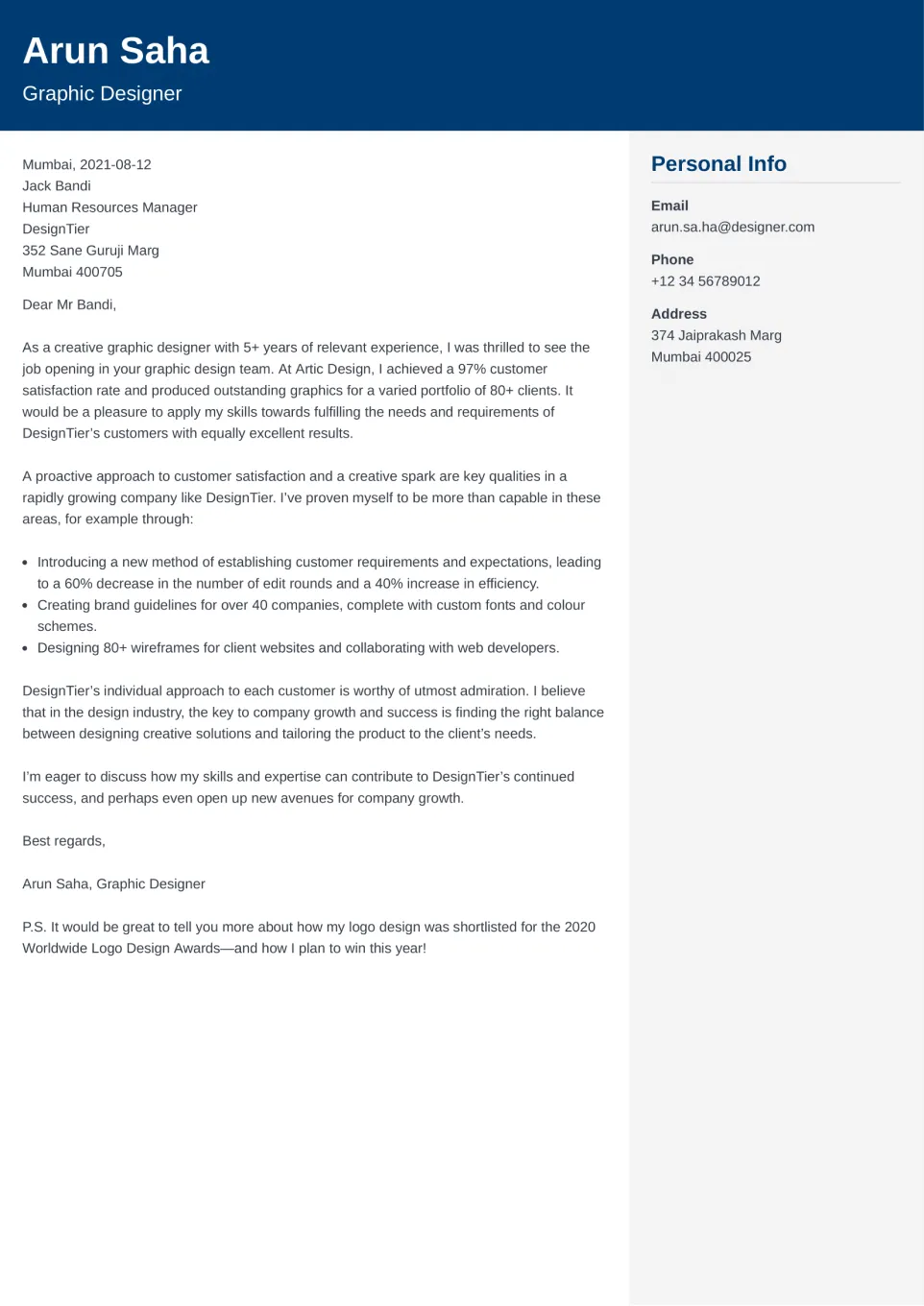
What is a Sample Cover Letter
A sample cover letter is a template or example document that job seekers can use as a guide when crafting their own cover letters. It serves as a framework, offering a structure, format, and content suggestions to help individuals effectively communicate their qualifications, skills, and interest in a specific job or company. The primary purpose of a sample cover letter is to assist applicants in creating a compelling and personalized introduction that complements their resume and increases their chances of securing an interview. These samples usually illustrate how to tailor the letter to match the specific requirements outlined in a job description, emphasizing relevant experiences and achievements. When using these templates, it’s crucial to customize the provided content with your own information to showcase your unique value proposition.
Understanding the Importance of Cover Letters
Cover letters are critically important because they provide a space to go beyond the resume. Resumes offer a factual overview of one’s experience and qualifications, while cover letters allow candidates to weave a narrative. This narrative explains why they are the best fit for a role and how their skills and experiences align with the company’s needs and values. In a competitive job market, a well-crafted cover letter can significantly distinguish an applicant from others. It helps to demonstrate strong communication skills, personality, and genuine interest in the position and company. A strong cover letter showcases the applicants’ ability to write persuasively and connect with the hiring manager, making a positive first impression that can open doors to further consideration and job opportunities. This is your opportunity to tell a story, not just list facts.
Key Elements of a Sample Cover Letter

A well-structured sample cover letter typically includes several key components to ensure it is informative, engaging, and tailored to the specific job and company. This structure helps ensure that essential information is presented logically and professionally, increasing the effectiveness of the letter. The layout should guide the reader through the candidate’s qualifications and interests while highlighting the value they bring to the organization. By following a clear and organized format, job seekers can create cover letters that capture the attention of hiring managers and effectively convey their suitability for a role. The specific components include a header, salutation, an introductory paragraph, body paragraphs, a closing paragraph, and a formal closing. Each part plays a critical role in showcasing the applicant’s qualifications and interest in the position.
Header of the Sample Cover Letter
The header is a crucial component of a sample cover letter because it provides essential contact information and sets a professional tone. This section ensures that the hiring manager can easily reach out to the applicant for further communication. The header typically includes the applicant’s full name, address, phone number, and email address, which are formatted in a clear and organized manner. It is generally placed at the top left or centered on the page. Using a professional-looking font and simple layout contributes to the overall impression of professionalism. A well-designed header not only provides necessary information but also demonstrates attention to detail, reflecting positively on the applicant’s organizational skills and ability to present information clearly. Make sure all contact information is up to date.
Contact Information
In the contact information section of the header, accuracy and professionalism are paramount. This includes the applicant’s full name, spelled correctly and displayed prominently. Include a current and reliable phone number, which is the most common way to reach an applicant quickly. Provide a professional email address, avoiding nicknames or informal handles, as this represents the applicant’s first point of contact. A complete mailing address, including street, city, state, and zip code, is also part of a professional package. Ensuring that all contact details are up-to-date and accurate prevents any communication issues that could negatively impact the application process. Regularly review and update the contact details to ensure that the information reflects the applicant’s current circumstances.
Date and Recipient Information

Following the contact information, the date and recipient information are crucial components. The date should reflect when the cover letter is written, positioned usually below the applicant’s details and aligned to the left. Below the date, it is important to include the hiring manager’s name and title, if known. Addressing the letter to a specific person, rather than a generic title, shows that the applicant has researched the company and is attentive to detail. If the specific hiring manager’s name is unknown, research the company’s website or use a general title like ‘Hiring Manager’ or ‘Recruiting Team.’ The company’s name and address should also follow, ensuring that the letter is clearly addressed to the appropriate recipient. This attention to detail adds a personal touch and shows initiative and respect for the organization.
The Salutation
The salutation is the opening greeting of the cover letter, which sets the tone for the rest of the document. Using the hiring manager’s name is ideal, showing that the applicant has taken the time to personalize the letter. If the hiring manager’s name is unavailable, a professional and formal greeting like ‘Dear Hiring Manager’ or ‘Dear [Department Name] Team’ is recommended. Avoid informal greetings such as ‘Hey’ or ‘Hi,’ which can be perceived as unprofessional in the context of a job application. The salutation should be followed by a colon, and it must transition smoothly into the introduction paragraph. A well-crafted salutation is the first step in making a positive impression, showing respect and attention to detail.
Body Paragraph 1 Show Your Value
The first body paragraph should capture the hiring manager’s attention and quickly convey the applicant’s purpose for writing. The opening lines should be compelling and state the specific position the applicant is applying for. It is critical to mention where the applicant found the job posting, whether it was on a job board, company website, or through a referral. The initial paragraph should highlight the most relevant skills and experiences the applicant possesses, emphasizing their alignment with the job requirements. This part provides a quick overview of the value the applicant offers. By summarizing their qualifications, applicants immediately show why they should be considered. The goal is to create interest and encourage the hiring manager to continue reading the rest of the letter, building a solid foundation for a strong application.
Highlighting Relevant Skills and Experiences

In the first body paragraph, it is essential to highlight the skills and experiences most relevant to the job. Begin by identifying the key requirements mentioned in the job description. Then, match those requirements with the applicant’s own skills and experiences. Focus on specific achievements and quantifiable results whenever possible. This approach demonstrates a clear understanding of the job and proves the applicant’s capabilities. The paragraph should showcase the applicant’s ability to perform the tasks outlined in the job description, using compelling examples to illustrate the value they can bring to the company. By focusing on the most relevant aspects of their background, applicants effectively communicate why they are a strong fit for the position and the company.
Quantifying Achievements
Quantifying achievements within the cover letter adds significant credibility and impact to the applicant’s claims. Instead of simply stating skills or experiences, use specific data and numbers to showcase accomplishments. For example, when describing a sales role, mention the percentage increase in sales achieved or the number of new clients acquired. If the role involved project management, mention the number of projects successfully completed or the budget under which the projects were managed. Provide measurable results. These details demonstrate the applicant’s real-world impact and provide concrete evidence of their capabilities. This approach helps the hiring manager to quickly assess the value the applicant can bring to the role and the organization, making a persuasive case for why they are a top candidate.
Body Paragraph 2 Showing Your Interest
The second body paragraph allows applicants to express their interest in the company and role while highlighting their understanding of the company’s mission, values, and industry position. This section proves the candidate is invested in the position and has done their homework. Describe why the applicant is excited about the specific opportunity, emphasizing how their goals align with the company’s goals. Demonstrate the candidate’s knowledge of the organization by referencing its recent achievements, projects, or initiatives. Showing a genuine interest and understanding of the company increases the chance that the applicant is considered a good fit. This insight provides insights into how the candidate can contribute to the company’s success.
Researching the Company and Role

Before writing the second body paragraph, it is necessary to conduct thorough research on the company and the specific role. Review the company’s website, social media profiles, and any recent press releases or news articles. Researching helps applicants understand the company’s culture, values, and current projects or initiatives. Look for any information that relates to the role, such as the department’s goals, team structure, and specific responsibilities. Using this information, tailor the cover letter to show how the applicant’s experiences and skills align with the company’s requirements. This demonstrates an applicant’s genuine interest and attention to detail, which is essential for making a great first impression.
Expressing Enthusiasm for the Opportunity
In the second body paragraph, the applicant should convey enthusiasm for the job opportunity, which will strengthen the cover letter. Highlight what excites the applicant about the position, for example, the chance to work with a specific technology, team, or contribute to a project. Mention what aspects of the company’s culture or values resonate with the applicant’s career goals and beliefs. Make it clear why the applicant is enthusiastic about the role and the company, demonstrating passion and motivation. Authenticity is key. When genuine excitement is shared, it helps the hiring manager connect with the applicant, increasing the likelihood of the letter being read and the applicant being considered for the position.
Body Paragraph 3 Closing the Deal
The final body paragraph provides a chance to summarize the main points and drive home the value the applicant brings to the table. Reiterate the applicant’s key skills and experiences and briefly explain how they will benefit the company. Mention how the applicant’s background and interests align with the company’s mission and goals. This paragraph should be concise, summarizing the overall message of the cover letter, and reinforcing why the applicant is a good fit. By restating the value proposition, applicants ensure the hiring manager understands the key reasons why they should be considered for the position.
Expressing Gratitude and Next Steps

Expressing gratitude is an essential part of the closing paragraph of a sample cover letter. The applicant should thank the hiring manager for their time and consideration. It shows respect and politeness. It is important to express the applicant’s enthusiasm for the opportunity and to express eagerness to discuss their qualifications further. In this paragraph, mention the next steps, such as the applicant’s availability for an interview, ensuring the reader knows when and how the applicant wants to be contacted. By concluding the letter with appreciation and a call to action, the applicant demonstrates professionalism and enthusiasm.
Call to Action
A clear call to action is crucial to the closing paragraph of a cover letter. It encourages the hiring manager to take the next step, which is usually to contact the applicant for an interview. Provide the means by which the applicant can be contacted, such as a phone number or email address. State the applicant’s availability for an interview, indicating when they are accessible. This prompt guides the hiring manager toward a specific action, facilitating the interview process. By including a clear call to action, the applicant makes it easier for the hiring manager to move forward, which increases the likelihood of an interview invitation.
The Closing
The closing of a sample cover letter must be professional and respectful. Use a formal closing such as “Sincerely,” “Best regards,” or “Thank you for your consideration.” Choose a closing that fits the tone of the letter and the company’s culture. This closing should be followed by a line for the applicant’s signature. If submitting the letter digitally, type the applicant’s name below the closing. Proofread to avoid any typos or formatting errors. A professional closing leaves a lasting positive impression and signals the end of the letter, leaving the reader with a sense of professionalism.
Formatting a Sample Cover Letter

Proper formatting is essential to the professionalism and readability of a sample cover letter. Well-formatted letters ensure that the content is presented clearly and that the applicant appears organized and attentive. The layout should enhance the content, guiding the hiring manager through the letter smoothly and making a positive impression. Key aspects of formatting include the font, font size, margins, spacing, and the overall structure of the document. Properly formatted letters convey respect for the reader and highlight the applicant’s attention to detail, which is a significant asset in the job application process. This ensures the letter is easy to read and that the applicant appears polished and professional.
Font and Font Size
Choosing the right font and font size is critical to make the cover letter easy to read and professional. Use a simple, readable font like Times New Roman, Arial, or Calibri. These fonts are standard and widely used in professional documents, making the letter accessible and visually appealing. Set the font size between 11 and 12 points. This range is comfortable for reading and ensures that the text is not too small or too large. Avoid overly decorative fonts or font sizes that are difficult to read, as they distract from the message. Proper font choices contribute to a polished appearance, ensuring that the cover letter is easy to read and visually appealing.
Margins and Spacing
Correct margins and spacing improve the readability and visual appeal of a cover letter. Use 1-inch margins on all sides of the document, ensuring that the text is not cramped or too close to the edges. Use single or 1.15 line spacing throughout the letter, which enhances readability and makes the content easier to scan. Include a blank line between paragraphs, which provides visual breaks. These breaks help guide the reader through the letter smoothly. Well-formatted margins and spacing make the document more accessible. It demonstrates that the applicant is attentive to detail and presents the content in a clear and professional manner.
Proofreading and Editing

Proofreading and editing are essential steps in creating a professional cover letter. Check the entire letter for any grammatical errors, spelling mistakes, and punctuation issues. Ensure that the sentences flow well and that the language is clear and concise. Read the letter aloud to catch any awkward phrasing or errors that might have been missed during silent reading. Have a friend or family member proofread the letter. A fresh pair of eyes can identify errors that the applicant may have overlooked. Correct any errors. Proofreading and editing enhance the letter’s credibility and increase the applicant’s chances of a positive impression. A well-edited cover letter is a sign of professionalism.