Introduction
Landing a Teacher Assistant position is a rewarding career path, especially for those passionate about education and supporting young learners. Even if you lack direct experience in a classroom setting, a well-crafted cover letter can significantly increase your chances of securing an interview. This guide provides comprehensive strategies and insights to help you create a compelling cover letter that highlights your transferable skills, showcases your enthusiasm, and ultimately, helps you stand out from other applicants. Whether you’re a recent graduate, career changer, or simply looking for a new opportunity, this guide will equip you with the knowledge and tools you need to create an impactful cover letter and begin your journey as a Teacher Assistant. The focus will be on emphasizing the skills and qualities that make you a strong candidate, even without prior experience.
Understanding the Teacher Assistant Role
Before you begin writing your cover letter, it’s essential to have a clear understanding of the responsibilities and expectations of a Teacher Assistant. Teacher Assistants play a vital role in supporting teachers and students in various ways, including assisting with lesson preparation, providing individual or small group instruction, supervising students, and managing classroom activities. They also contribute to creating a positive and engaging learning environment. Understanding these core responsibilities will allow you to tailor your cover letter to the specific requirements of the position, demonstrating your awareness and suitability for the role. Research the specific needs of the school or program, as these can vary. This knowledge will enable you to articulate how your skills and qualities align with their needs.
Highlighting Transferable Skills

Since you may lack direct experience, focusing on your transferable skills is crucial. Transferable skills are abilities and qualities you’ve developed in other contexts, such as volunteer work, previous jobs, or personal experiences, that are relevant to the Teacher Assistant role. Identify skills such as communication, organization, empathy, patience, and adaptability. Think about how you’ve demonstrated these skills in the past and provide specific examples in your cover letter. This approach helps demonstrate your capabilities and allows you to connect your existing skills to the requirements of the role, even in the absence of direct experience. The key is to show how your past experiences have prepared you for success as a Teacher Assistant.
Communication Skills
Effective communication is essential for Teacher Assistants. This includes the ability to communicate clearly and effectively with students, teachers, parents, and other staff members. Highlight any experiences where you’ve demonstrated strong verbal or written communication skills. Examples include public speaking, presentations, writing reports, or mediating conflicts. Describe how you used these skills to convey information, build relationships, or resolve issues. Emphasize your ability to listen actively, understand different perspectives, and adapt your communication style to different audiences. Demonstrating your communication prowess will prove to the hiring manager your capacity to interact with and support both students and staff.
Organization and Time Management
Teacher Assistants often need to juggle multiple tasks and responsibilities, making organization and time management skills crucial. Provide examples of how you’ve successfully managed your time, prioritized tasks, and maintained organization in previous roles or activities. This can include planning events, managing projects, or balancing academic and extracurricular commitments. Quantify your achievements whenever possible. For example, you might say, ‘Organized and managed a volunteer event for 50+ participants, ensuring all tasks were completed on time and within budget.’ Such examples showcase your efficiency and commitment to structure, both of which are essential for a Teacher Assistant.
Empathy and Patience

Empathy and patience are invaluable qualities for anyone working with children. Teacher Assistants need to understand and respond to the needs of students, creating a supportive and nurturing environment. Share examples of situations where you’ve demonstrated empathy, understanding, and patience. This could involve helping someone through a difficult situation, actively listening to and supporting others, or showing compassion. The ability to remain patient and understanding, especially in challenging situations, demonstrates your suitability for this role. Highlight instances where you have demonstrated these qualities in interactions with others, whether in a professional or personal setting.
Adaptability and Flexibility
The classroom environment can be unpredictable. Being adaptable and flexible is essential for Teacher Assistants. This involves being able to adjust to changing circumstances, learn new things, and work effectively in dynamic environments. Provide examples of situations where you’ve shown adaptability, such as handling unexpected challenges, adjusting to new priorities, or learning new skills quickly. The ability to remain calm and adjust your approach when plans change is particularly important. Stress your willingness to embrace change and your proactive approach to handling unforeseen challenges. Highlighting your flexibility and adaptability will reassure the hiring manager that you can handle the varied demands of the job.
Showcasing Your Passion for Education
Even without direct experience, you can still express your passion for education. Reflect on why you’re interested in working with children and what motivates you to support their learning and development. Share any relevant experiences, such as volunteering in a school, tutoring, mentoring, or assisting with children’s activities. If you have a particular area of interest in education, such as special needs, early childhood education, or a specific subject, mention it. Express your enthusiasm for making a positive impact on students’ lives and your commitment to fostering a supportive and engaging learning environment. Let your personality shine through, and demonstrate genuine excitement for the opportunity to contribute to the education of young learners.
Researching the School and Program

Before you start writing, research the school or program to which you are applying. Understanding their mission, values, and specific needs will help you tailor your cover letter and demonstrate your genuine interest. Visit the school’s website, read about their programs, and learn about their teaching philosophies. If possible, try to find information about the specific role and the teacher you would be assisting. Use this information to highlight how your skills and experiences align with their values and objectives. By demonstrating that you’ve taken the time to research the school, you show that you’re serious about the position and eager to contribute to their community.
Tailoring Your Cover Letter
Customize each cover letter for each specific job application. Generic cover letters are easily spotted and often lead to rejection. Review the job description carefully and identify the key skills and qualifications that the employer is seeking. Then, use your cover letter to address these requirements directly. Provide specific examples of how you have demonstrated those skills in the past. Tailoring your cover letter demonstrates that you understand the role and the school’s needs, and that you’ve put thought into why you’re a good fit. This personalized approach significantly increases your chances of making a positive impression and securing an interview.
Formatting Your Teacher Assistant Cover Letter
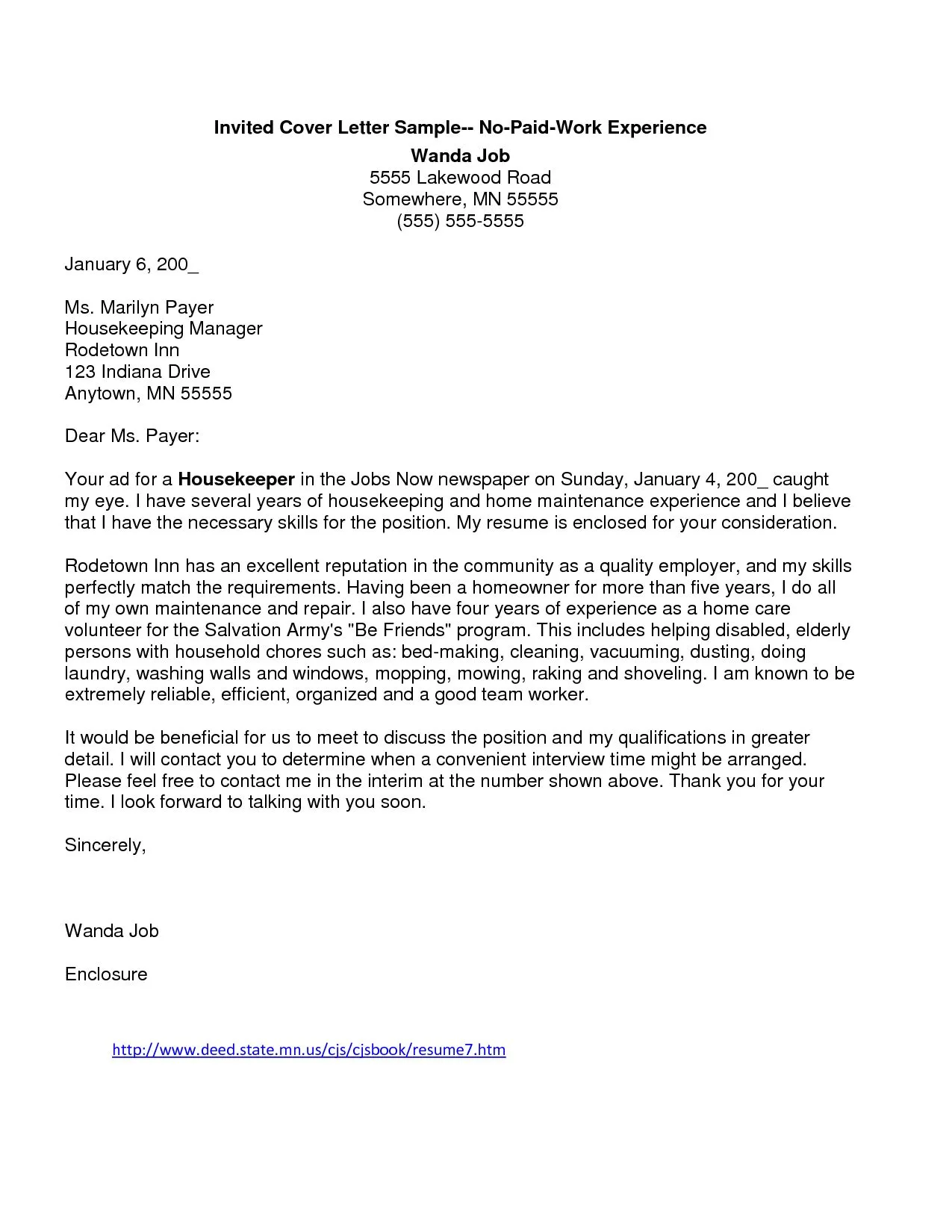
A well-formatted cover letter is essential for making a professional impression. Use a clear, easy-to-read font, such as Times New Roman, Arial, or Calibri, and ensure that the font size is appropriate (typically 11 or 12 points). Use standard margins (1 inch on all sides) and single-space the text, leaving a space between paragraphs. Keep your cover letter concise and focused, ideally within one page. Use headings and bullet points to break up large blocks of text and make the letter easier to read. Pay attention to the overall layout and ensure that your letter looks clean, organized, and visually appealing. Correct formatting demonstrates attention to detail and professionalism, which can significantly enhance your application.
Contact Information

Start your cover letter by including your contact information at the top. This should include your full name, phone number, email address, and optionally, your LinkedIn profile URL. Make sure your email address is professional, and that your voicemail greeting is also professional. If you have a physical address, you may include it as well, though it’s less critical in the digital age. Ensuring that your contact information is clearly visible and accurate makes it easy for the hiring manager to reach you. Double-check all details to avoid any errors that could prevent them from contacting you.
Professional Greeting
Use a professional greeting to address the hiring manager or the person listed in the job description. If you know the name of the hiring manager, address your letter to them directly using ‘Dear Mr./Ms./Mx. [Last Name]’. If you don’t know the name, you can use a general greeting such as ‘Dear Hiring Manager’ or ‘Dear [School Name] Hiring Committee’. Avoid using overly informal greetings such as ‘To Whom It May Concern’. A professional greeting sets the tone for your letter and demonstrates your attention to detail and respect for the recipient.
Body Paragraphs
The body paragraphs are where you will showcase your skills, experience, and enthusiasm. Structure the body of your letter strategically to make it easy for the reader to understand your qualifications. Use three or four paragraphs to effectively communicate your key points.
First Paragraph Explain Your Interest

Start the first paragraph by stating the position you are applying for and how you learned about the opportunity. Briefly explain why you’re interested in the role and the school or program. Show genuine enthusiasm. Mention specific aspects of the role or the school that appeal to you. Briefly highlight the key skills or qualities that make you a good fit. Clearly state your intent and establish a strong initial impression.
Second Paragraph: Showcasing Skills
Use the second paragraph to highlight your relevant skills and experiences. Focus on transferable skills. Provide specific examples of how you’ve demonstrated these skills in the past. Quantify your achievements whenever possible. For example, if you’re highlighting your communication skills, describe a situation where you successfully communicated a complex idea, or resolved a conflict. Use the STAR method (Situation, Task, Action, Result) to provide concrete examples of your abilities. Relate your skills and experiences to the specific requirements of the job description.
Third Paragraph: Demonstrating Enthusiasm
In the third paragraph, demonstrate your enthusiasm for the role and the school. Show that you have researched the school and understand its mission and values. Mention any experiences that have sparked your interest in education, such as volunteering, mentoring, or tutoring. Express your commitment to supporting students’ learning and development. State your willingness to learn and your eagerness to contribute to the team. Reiterate your excitement about the opportunity and the potential impact you could make.
Closing the Cover Letter

End your cover letter with a professional closing. Thank the hiring manager for their time and consideration. Reiterate your interest in the position. Express your willingness to interview and provide contact information. Use a professional closing such as ‘Sincerely’, ‘Best regards’, or ‘Yours sincerely’. Follow this with your typed name. Ensure you include a call to action, such as expressing your availability for an interview or your enthusiasm for discussing your qualifications further. A strong closing reinforces your interest and leaves the hiring manager with a positive final impression.
Proofreading and Editing
Before submitting your cover letter, proofread it carefully to ensure it is free of errors in grammar, spelling, and punctuation. Read the letter aloud to catch any awkward phrasing or unclear sentences. Ask a friend, family member, or career advisor to review your letter and provide feedback. Pay close attention to the overall tone and ensure that it aligns with the school or program’s culture. Thorough proofreading demonstrates attention to detail and professionalism, which will significantly enhance your application. Ensure consistency in formatting and use of language. Make any necessary revisions based on the feedback you receive.
Conclusion
Writing a compelling cover letter for a Teacher Assistant position, even without prior experience, is achievable with careful planning and attention to detail. By highlighting transferable skills, expressing your passion for education, and tailoring your letter to the specific requirements of the job, you can create a strong application that stands out. Remember to research the school or program, showcase your enthusiasm, and proofread your letter meticulously. This guide provides comprehensive strategies and examples to help you craft a persuasive cover letter. Following these guidelines will increase your chances of making a positive impression and securing an interview. Good luck with your job search!
Next Steps
After submitting your cover letter and resume, the next step is to prepare for a potential interview. Research common interview questions for Teacher Assistant roles and practice your answers. Be prepared to discuss your transferable skills, experiences, and your passion for education. Prepare examples of how you have demonstrated key skills, using the STAR method. Dress professionally, and arrive on time. During the interview, be enthusiastic, show that you are a quick learner, and ask thoughtful questions about the role and the school. After the interview, send a thank-you note to the interviewer to reiterate your interest and appreciation. Good preparation and follow-up are crucial to securing the position.
Resources for Teacher Assistants
Explore online resources and professional organizations that can provide additional support and guidance for your job search and career development. Look into websites like Indeed, LinkedIn, and Glassdoor for job postings and career advice. Consider joining education-related professional organizations. Network with educators and other professionals in the field to gain insights and build connections. Take advantage of online courses or workshops to enhance your skills and knowledge in areas like child development, classroom management, or specific subject areas. Continuing to learn and grow professionally will increase your career prospects. Actively seeking resources will provide ongoing support as you advance in your role.