What is a Teacher Cover Letter
A teacher cover letter is a crucial document that accompanies your resume when applying for teaching positions. It serves as your introduction to the hiring committee, providing a concise and compelling overview of your qualifications, experience, and teaching philosophy. Unlike your resume, which provides a factual account of your background, the cover letter allows you to showcase your personality, passion for teaching, and suitability for the specific role. It’s your opportunity to make a strong first impression and persuade the employer to read your resume and consider you for an interview. A well-crafted cover letter can significantly increase your chances of securing an interview and ultimately landing your dream teaching job. This guide will equip you with the knowledge and tools needed to create an impactful teacher cover letter.
Why Is a Cover Letter Important for Teachers
In the competitive field of education, a cover letter offers a significant advantage by allowing teachers to personalize their application and demonstrate their genuine interest in a specific school or position. It goes beyond the generic information provided in a resume, enabling you to articulate your teaching philosophy, highlight relevant skills, and connect your experiences to the specific needs of the school. It gives you the chance to highlight your soft skills, enthusiasm, and unique qualifications that make you stand out from other candidates. Furthermore, a cover letter demonstrates your communication skills, attention to detail, and professionalism, which are all essential qualities for a successful teacher. By taking the time to write a thoughtful cover letter, you signal to the employer that you are serious about the opportunity and invested in making a positive contribution to their school community. This document is your chance to showcase your personality and passion for teaching.
Key Components of a Teacher Cover Letter

A well-structured teacher cover letter consists of several key components, each playing a vital role in conveying your qualifications and suitability for the position. These components work together to present a compelling narrative that highlights your strengths and aligns with the needs of the school. The first component is the header, which includes your contact information. Following the header is the greeting, where you address the hiring manager or principal by name if possible. The opening paragraph should immediately grab the reader’s attention, expressing your interest in the position and mentioning how you learned about the opportunity. The body of the letter should highlight your relevant teaching experience, skills, and qualifications, providing specific examples to support your claims. It is also important to express your teaching philosophy and explain your approach to classroom management, student engagement, and curriculum development. The closing paragraph should reiterate your enthusiasm, thank the reader for their time, and include a call to action, such as expressing your eagerness for an interview. Finally, ensure you proofread and edit your cover letter carefully to eliminate any errors in grammar or spelling.
Header and Contact Information
Your header should be at the top of your cover letter and include your full name, phone number, email address, and optionally, your LinkedIn profile URL. Ensure that your contact information is current and professional. Use a clear and easy-to-read font and format. If you have a professional website or online portfolio, consider including the URL as well. The header’s purpose is to make it easy for the hiring manager to contact you. Double-check the information to avoid any errors, which could lead to missed opportunities.
Greeting and Salutation
Always address the hiring manager or principal by name if you know it. This personalization shows that you’ve done your research and are genuinely interested in the position. If you cannot find a specific name, use a professional greeting such as “Dear Hiring Committee” or “Dear Principal.” Avoid generic greetings like “To Whom It May Concern.” Ensure that your greeting is appropriate and respectful to maintain a professional tone throughout your letter.
Opening Paragraph Grab Attention

The opening paragraph is your chance to make a strong first impression. Clearly state the position you are applying for and how you learned about it. Then, express your enthusiasm and briefly highlight what makes you a good fit for the role. Consider mentioning a key skill or achievement that aligns with the school’s needs. Make the opening paragraph concise and engaging to capture the reader’s attention and encourage them to continue reading.
Highlight Your Teaching Experience
In the body of your cover letter, provide details about your teaching experience. Focus on the most relevant experiences and quantify your accomplishments whenever possible. Use the STAR method (Situation, Task, Action, Result) to describe specific situations, the tasks you were responsible for, the actions you took, and the positive results you achieved. Include details about the grade levels you taught, the subjects you specialized in, and any notable achievements, such as improved student test scores or successful implementation of innovative teaching methods. Tailor your examples to match the requirements of the specific job you’re applying for. Provide clear evidence of your success and highlight the transferable skills you have acquired over time.
Skills and Qualifications Showcase
In addition to experience, showcase your skills and qualifications. Highlight skills that are relevant to the teaching position, such as classroom management, curriculum development, lesson planning, differentiated instruction, and communication. Provide specific examples of how you have used these skills to achieve positive outcomes in the classroom. Mention any certifications, licenses, or degrees that are relevant to the position. You can also showcase your ability to work with technology, different teaching methodologies, and your ability to create a positive learning environment. Show how your skills align with the school’s needs and values. This includes your ability to manage a classroom, how you implement your lesson plans, and how you can help your students learn.
Teaching Philosophy Expression

Your cover letter is an ideal place to express your teaching philosophy. Describe your approach to teaching, including your beliefs about student learning, classroom management, and the role of a teacher. Discuss your commitment to creating a positive and inclusive learning environment where all students can succeed. Highlight your passion for education and your dedication to fostering a love of learning. If you align with the school’s mission and values, emphasize this, and explain how you will contribute to the school community. Be genuine and let your passion shine through.
Call to Action and Closing
In your closing paragraph, reiterate your interest in the position and express your enthusiasm for the opportunity. Thank the reader for their time and consideration. Include a call to action, such as stating your eagerness to discuss your qualifications in an interview. Provide your contact information again and mention that you look forward to hearing from them soon. Close with a professional salutation, such as “Sincerely” or “Best regards,” followed by your full name. Keep the closing concise and leave a positive impression.
Formatting and Design Tips for Teacher Cover Letters
Your cover letter’s formatting and design are crucial in making a positive first impression. Use a professional and easy-to-read font such as Times New Roman, Arial, or Calibri, with a font size between 10 and 12 points. Ensure that your letter is well-structured with clear headings, subheadings, and bullet points to break up large blocks of text and make it easy to read. Use standard margins and spacing (single-spaced within paragraphs and double-spaced between paragraphs). Choose a clean and uncluttered layout, and maintain consistency throughout the document. Make sure that your cover letter looks neat and easy to read. Use a spell checker and proofread your letter to ensure there are no errors in grammar or spelling. The look of your letter is a reflection of you.
Proofreading and Editing for Perfection

Proofreading and editing are essential steps in the cover letter writing process. Errors in grammar, spelling, and punctuation can damage your credibility and make you appear unprofessional. Before submitting your letter, carefully review it multiple times to catch any mistakes. Use a spell checker and grammar checker, but don’t rely on them completely. It is always best to proofread the document yourself. Read your cover letter aloud to check for awkward phrasing or inconsistencies. Ask a friend, family member, or career counselor to review your letter and provide feedback. Ensure that the tone is professional and that your message is clear and concise. The goal is to create a flawless document that accurately reflects your qualifications and abilities.
Teacher Cover Letter Examples and Templates
Using cover letter examples and templates can be a great starting point for crafting your own cover letter. However, remember that you must customize them to fit your experience and the specific job requirements. Search online for teacher cover letter examples and templates, and choose those that align with the type of position you are applying for. Pay attention to the structure, language, and formatting used in the examples. Adapt the examples to showcase your unique skills, experience, and teaching philosophy. Make sure you tailor the letter to each job application, highlighting the skills and experiences most relevant to each school’s needs. The examples and templates can help you to understand the best practices. Ensure your letter stands out by adding your personality.
Elementary School Teacher Cover Letter Example
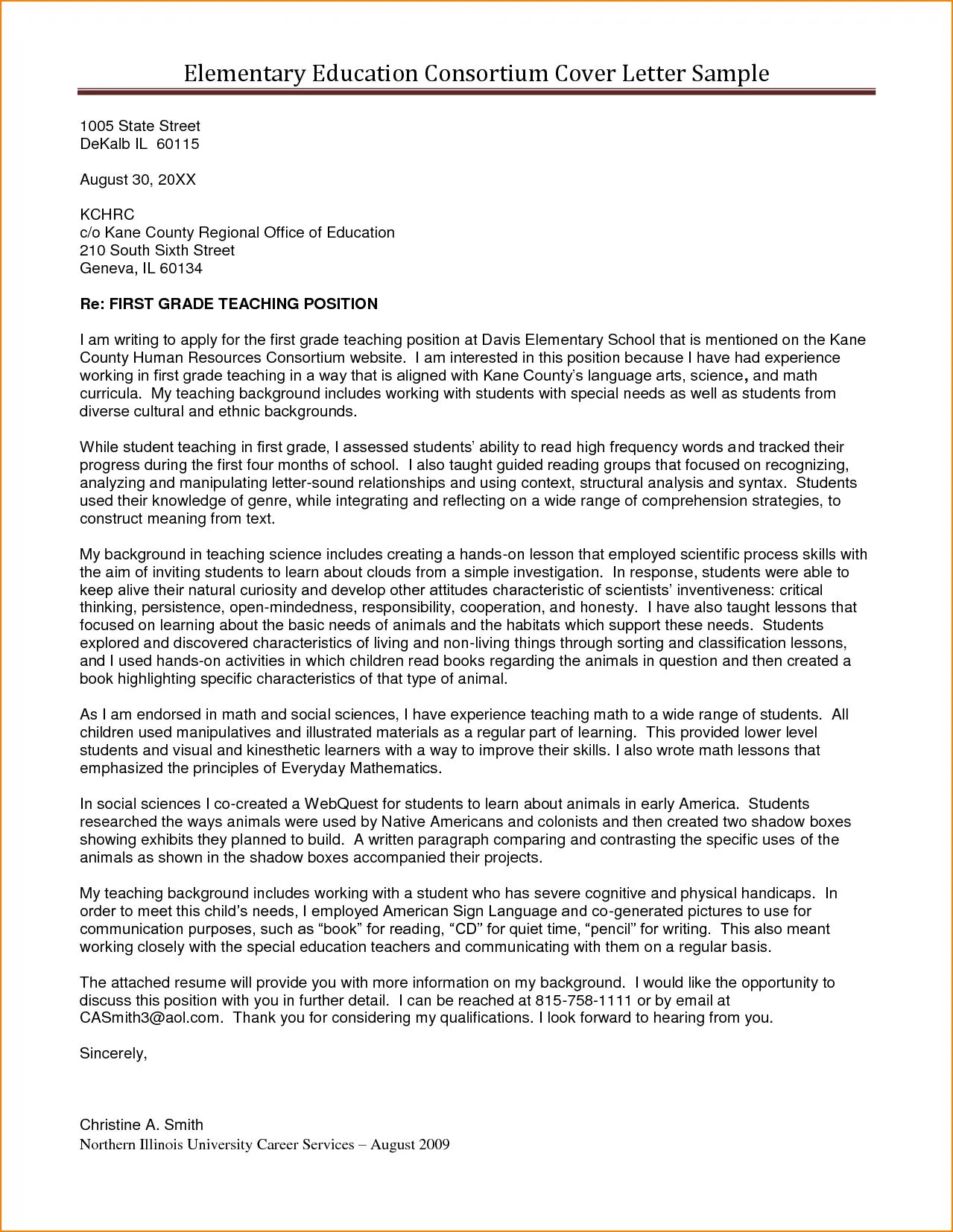
An elementary school teacher cover letter should emphasize experience in teaching young children, developing age-appropriate lesson plans, and creating a nurturing classroom environment. Highlight your skills in early childhood education, literacy instruction, and classroom management. Provide examples of how you have fostered student engagement, differentiated instruction, and built positive relationships with students and parents. Tailor your letter to highlight your experience with curriculum-building, the ability to communicate with parents, and any experience in using educational technology. It’s also vital to highlight experience with early childhood development principles, the ability to foster a classroom of respect and caring, and any experience you have with specialized lesson plans. Show your ability to work with elementary school students.
High School Teacher Cover Letter Example

A high school teacher cover letter should showcase your expertise in a specific subject area, your experience with adolescent students, and your ability to develop engaging and rigorous lesson plans. Highlight your skills in curriculum development, assessment, and differentiating instruction for diverse learners. Demonstrate your ability to create a positive and challenging learning environment that promotes student achievement and critical thinking. Provide examples of how you have fostered student engagement, incorporated technology, and addressed the needs of students. Be sure to include any experience you have with standardized tests, any experience teaching advanced placement classes, and the ability to maintain a positive learning environment. Show your ability to connect with older students.
Special Education Teacher Cover Letter Example
A special education teacher cover letter should emphasize your experience working with students with diverse learning needs, your knowledge of special education laws and regulations, and your ability to create individualized education programs (IEPs). Highlight your skills in differentiated instruction, behavior management, and collaboration with parents, therapists, and other professionals. Showcase your ability to assess student needs, develop and implement effective interventions, and track student progress. Provide examples of how you have supported students with special needs, managed challenging behaviors, and fostered an inclusive classroom environment. Mention your experience with different disabilities and your commitment to advocating for the needs of students. Highlight your ability to develop IEPs.
Common Mistakes to Avoid in Teacher Cover Letters
Several common mistakes can undermine your teacher cover letter and hinder your chances of getting an interview. Avoid generic and impersonal letters; always tailor each letter to the specific job and school. Do not simply repeat information from your resume; use the cover letter to expand on your experiences and skills. Avoid typos, grammatical errors, and spelling mistakes, as these demonstrate a lack of attention to detail. Refrain from using jargon or overly formal language that might make you appear distant. Do not include irrelevant information that does not pertain to the job. Be sure to highlight the experience you have in this field, which you can showcase in your cover letter, along with your positive qualities, and why you would be a good fit for the school.
Tailoring Your Cover Letter to Each Job

Customizing your cover letter for each job application is crucial for demonstrating your genuine interest and suitability for the position. Carefully review the job description and identify the specific skills, qualifications, and experiences the employer is seeking. Tailor your cover letter to address these requirements directly, highlighting how your qualifications align with their needs. Mention the school’s mission, values, and any specific programs or initiatives that resonate with your teaching philosophy. Research the school and its culture to personalize your letter and show that you understand their unique needs. Use the same keywords and language as used in the job description to show your understanding of what is required. By tailoring your letter, you demonstrate that you are a thoughtful and attentive candidate who is genuinely interested in the position.
Frequently Asked Questions About Teacher Cover Letters
Many candidates have questions about teacher cover letters. Addressing these common questions can help you to create a better cover letter. How long should a teacher cover letter be? Aim for one page, or about 250-400 words. What should I do if I don’t know the hiring manager’s name? If you don’t know the hiring manager’s name, address the letter to the “Hiring Committee” or “Principal.” What should I include if I have no prior teaching experience? Highlight any relevant experience, such as tutoring, volunteer work, or related skills. How many examples of your skills should you include? Provide a few examples to support your claims. When should I send my cover letter? Always send your cover letter with your resume when applying for a teaching position. By understanding these common questions, you can ensure that your cover letter is a good example of your qualifications.