The Power of a Teacher Cover Letter
A well-crafted teacher cover letter is your first opportunity to make a lasting impression on a potential employer. It’s not just a formality; it’s your chance to introduce yourself, highlight your qualifications, and demonstrate your passion for teaching. Think of it as a marketing tool that showcases your unique skills and experiences. It provides context to your resume, allowing you to elaborate on your achievements and connect your qualifications to the specific needs of the school or district. A strong cover letter can be the deciding factor in whether you get an interview, setting you apart from other applicants. Therefore, it’s crucial to invest time and effort into creating a cover letter that truly reflects your teaching abilities and enthusiasm.
Highlighting Your Passion
Teaching is more than just a job; it’s a calling. Your cover letter is the perfect place to showcase your passion for education and your dedication to student success. Share your enthusiasm for the subject matter, and express your commitment to creating a positive and engaging learning environment. Let the hiring committee see that you are not just qualified but also excited about the prospect of working with their students. Explain what specifically draws you to education, whether it is the joy of seeing students learn, or the excitement of helping mold the leaders of tomorrow, these are the points to highlight. Mention specific teaching methods or philosophies that align with your beliefs and express your dedication to creating a nurturing and inclusive classroom atmosphere.
Showcasing Your Achievements

While your resume provides a list of your qualifications, your cover letter allows you to elaborate on your achievements and demonstrate their impact. Don’t just list your responsibilities; quantify your accomplishments whenever possible. Use numbers and data to illustrate the positive outcomes of your teaching. For instance, instead of saying ‘Improved student test scores,’ state ‘Increased student test scores by 15%.’ Highlight any awards, recognition, or special projects you’ve been involved in. Provide specific examples of how you’ve made a difference in students’ lives or contributed to the school community. This detailed account demonstrates your effectiveness as an educator and provides tangible evidence of your capabilities. The more concrete examples, the better.
Crafting a Strong Opening
The opening paragraph of your cover letter is your hook; it grabs the reader’s attention and encourages them to continue reading. It should immediately state the position you are applying for and briefly highlight your most relevant qualifications. Avoid generic greetings and instead, personalize your letter by addressing it to the hiring manager by name, if possible. Express your enthusiasm for the specific school or district and mention any connection you have to the area, such as a personal connection. A strong opening sets the tone for the rest of the letter and makes a positive first impression, making it essential to get right. The opening paragraph often dictates whether your letter ends up in the ‘read’ or ’trash’ pile.
Tip 1 Write a Compelling Opening Paragraph
Begin with a statement that immediately captures the reader’s attention. You might start by expressing your excitement about the opportunity, mentioning a specific program or aspect of the school that appeals to you. Keep it concise and enthusiastic. For example, instead of a generic greeting, start with, ‘I am writing to express my enthusiastic interest in the [Position Name] position at [School Name], as advertised on [Platform].’ This opening immediately identifies the position and how you learned about it. Then, briefly mention one or two key qualifications that make you a strong candidate. The goal is to quickly establish why you are a good fit for the role and pique the reader’s interest to continue reading your cover letter.
Tip 2 Tailor to the Specific School

Always customize your cover letter to match the specific school or district you are applying to. Research the school’s mission, values, and any recent initiatives. Demonstrate that you understand their unique needs and challenges. Address the hiring manager directly by name (if known), and mention something specific that resonates with you about the school. The school’s website is a great resource, including information about its curriculum, programs, and community involvement. This level of personalization shows that you’ve taken the time to learn about the school and are genuinely interested in joining their team. Mentioning how your skills and experience align with their specific goals makes you stand out.
Tip 3 Emphasize Your Teaching Philosophy
Share your teaching philosophy and how it aligns with the school’s values. Briefly outline your beliefs about education, student engagement, and classroom management. Highlight your commitment to creating a supportive and inclusive learning environment. This shows the hiring committee how you approach teaching and if your approach aligns with their values. For instance, do you believe in project-based learning, differentiated instruction, or a student-centered approach? Explain why you believe in these methods and how they translate into student success. Demonstrate a clear understanding of your role in fostering a positive and effective learning environment where students feel safe, respected, and encouraged to reach their full potential.
Tip 4 Highlight Relevant Skills and Experience
Carefully review the job description and identify the key skills and experiences the school is seeking. Then, use your cover letter to showcase how you meet those requirements. Provide specific examples of your achievements and how you’ve used your skills in previous roles. Quantify your accomplishments whenever possible. For instance, if the job description highlights the need for experience in technology integration, describe how you have effectively used technology in your classroom to enhance student learning. Use the STAR method (Situation, Task, Action, Result) to illustrate your problem-solving skills and show how you have overcome challenges in your previous roles. This targeted approach makes your letter more relevant and impactful.
Tip 5 End with a Strong Call to Action

Conclude your cover letter with a clear call to action. Express your enthusiasm for the opportunity and reiterate your interest in an interview. Provide your contact information and make it easy for the hiring manager to reach you. Thank the hiring manager for their time and consideration. State how you would like to move forward in the process. End with a confident statement, such as, ‘I am eager to discuss my qualifications further in an interview’ or ‘I am available for an interview at your earliest convenience.’ This leaves a lasting impression and encourages the hiring manager to take the next step.
Formatting and Structure
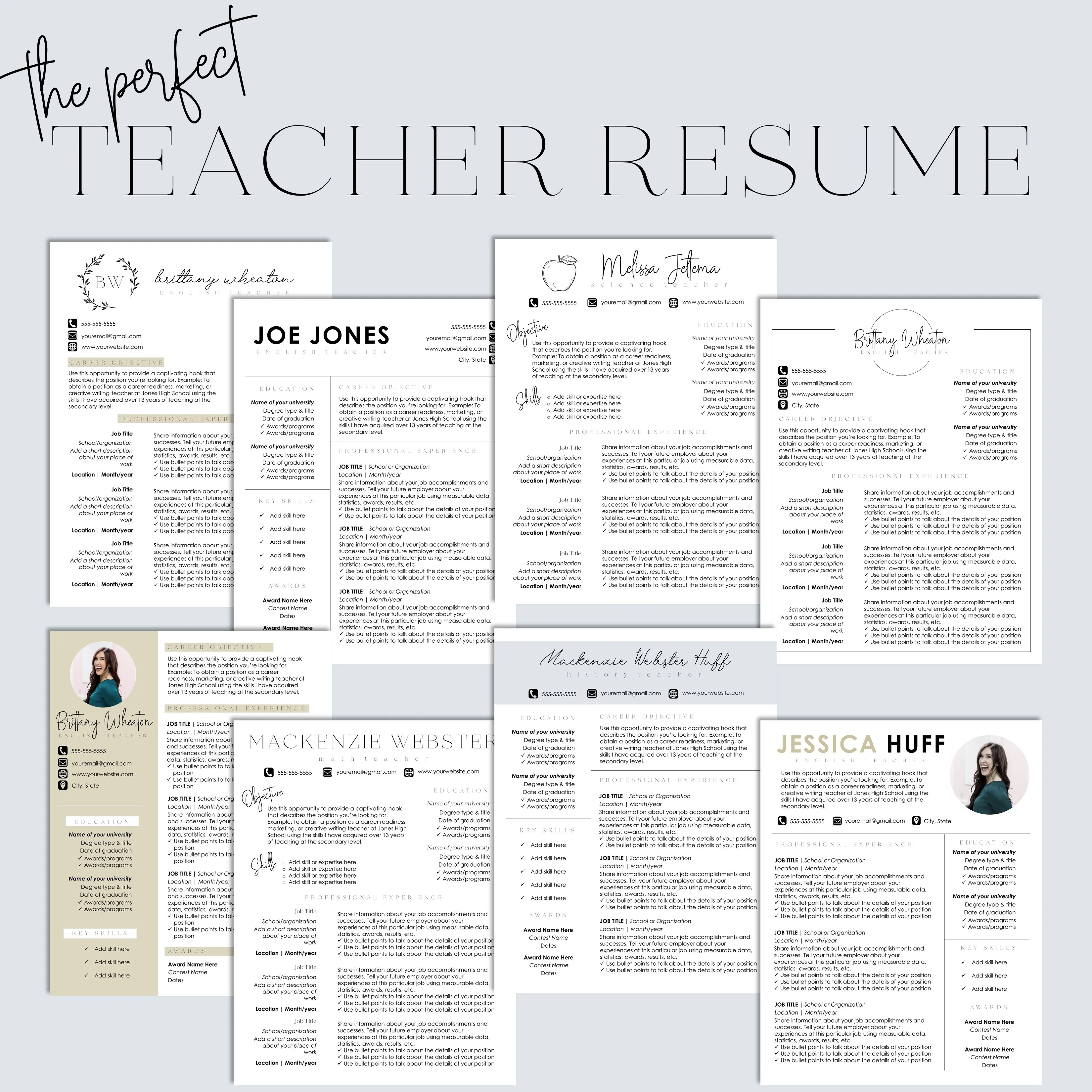
The format of your cover letter should be professional and easy to read. Use a clear, legible font, such as Times New Roman or Arial, and maintain consistent formatting throughout the document. Make sure your letter is well-organized, with clear paragraphs and headings. Use bullet points to highlight key information and make your letter more visually appealing. Proofread your cover letter carefully to ensure there are no typos or grammatical errors. A well-formatted cover letter demonstrates attention to detail and professionalism. Make sure to keep the letter to one page, keeping it concise and focused on your key qualifications. Using a template can help ensure you have all the essential elements covered.
What Not to Include
There are certain things you should avoid including in your cover letter. Avoid generic or overly long introductions. Refrain from using slang or informal language, maintaining a professional tone throughout. Avoid any negative comments about previous employers or colleagues. Do not include personal information that is not relevant to the job, such as your marital status or religious beliefs. Keep your cover letter focused on your qualifications, experience, and your fit for the specific role and school. Avoid rehashing your resume or repeating information verbatim; instead, use the cover letter to expand on key points.
Teacher Cover Letter Mistakes to Avoid
Some common mistakes can undermine the effectiveness of your cover letter. Avoid spelling and grammar errors, as they can make a negative impression. Ensure the letter is not too long or too short. Ensure that the content is relevant to the job and the school. Avoid generic cover letters that are not customized for the specific position. Poor formatting, such as inconsistent spacing or a difficult-to-read font, should be avoided. Always proofread your cover letter carefully and ask someone else to review it before submitting it. This will help you to catch any errors or inconsistencies and ensure your letter represents you in the best possible light. Double-check the name of the recipient and the school to ensure you have not made any errors.
Review and Edit Your Cover Letter
Before submitting your cover letter, take the time to review and edit it thoroughly. Check for any grammatical errors, typos, or inconsistencies. Ensure that your letter is well-organized, easy to read, and free of any unnecessary jargon. Have a friend, family member, or career advisor review your letter. They can provide valuable feedback and help you identify any areas for improvement. Make sure the letter aligns with your resume and that you have included all relevant qualifications and skills. A polished cover letter will make a strong impression and increase your chances of getting an interview. Take pride in the final product, knowing that it represents you well and increases your chances of landing your dream teaching job.