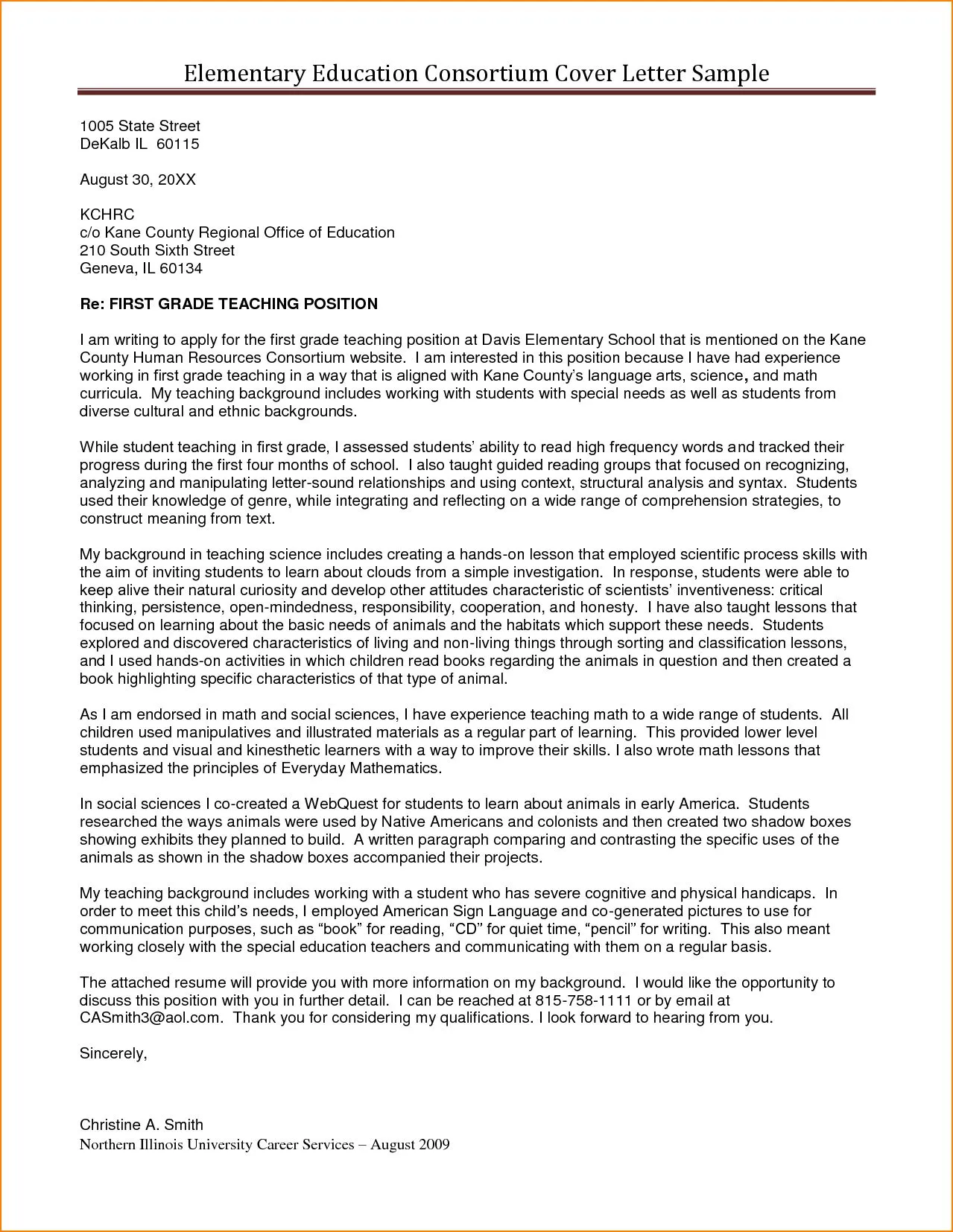
5 Tips to Create a Winning Teaching Cover Letter
A well-crafted cover letter is your first opportunity to make a strong impression on a potential employer. For teachers, it’s a chance to showcase not only your qualifications but also your passion for education. A compelling cover letter can significantly increase your chances of landing an interview. This guide provides five essential tips to help you create a winning cover letter that stands out from the crowd. The goal is to capture the attention of the hiring committee and demonstrate why you are the ideal candidate for the teaching position. Remember, the cover letter is a crucial tool in your job application process. It’s your chance to tell your story and connect with the reader on a personal level. So, take the time to create a thoughtful and persuasive letter that highlights your strengths and enthusiasm for teaching.
Highlighting Your Teaching Experience
Your teaching experience is a cornerstone of your cover letter. It’s essential to highlight your past roles, responsibilities, and achievements in a clear and concise manner. Begin by mentioning the schools or institutions where you have taught, along with the grade levels and subjects you have experience with. Provide specific examples of your accomplishments, such as improving student test scores, implementing innovative teaching methods, or managing a successful classroom environment. Use quantifiable data whenever possible to demonstrate the impact you’ve made. For instance, you could state that you ‘increased student reading comprehension scores by 15% within one academic year’. Showcase how you’ve adapted to various learning environments and dealt with diverse student needs. If you have experience with special education or supporting students with different learning styles, be sure to include that. Emphasize any leadership roles you’ve held, such as mentoring other teachers or leading curriculum development projects. A well-structured presentation of your teaching experience will provide the reader with a clear picture of your expertise and capabilities.
Showcasing Your Skills and Qualifications

Your skills and qualifications are the building blocks of your teaching career, and they must be highlighted effectively in your cover letter. Start by mentioning your relevant certifications, such as a teaching license or any specialized endorsements. Then, list the skills that are most relevant to the specific job you are applying for. These might include classroom management, lesson planning, curriculum development, assessment, and differentiation. Provide examples of how you have successfully used these skills in the past. For instance, if you are proficient in classroom management, describe how you have created a positive and engaging learning environment, or if you have experience in curriculum development, explain how you have designed and implemented effective lesson plans. Do not just list your skills; illustrate them. The goal is to provide concrete evidence of your abilities, demonstrating to the reader that you are equipped to handle the responsibilities of the teaching position. Don’t forget to mention any specific software or technology skills that are essential for the role.
Tailoring Your Cover Letter to the Job
One of the most critical tips for creating a winning cover letter is to tailor it to each job you apply for. Generic cover letters are easily recognized and often dismissed. Instead, take the time to carefully review the job description and identify the specific requirements and preferences mentioned. Then, customize your cover letter to address these points directly. Highlight your experiences, skills, and qualifications that align with the job’s requirements. If the job description emphasizes experience with a particular age group or subject, make sure to showcase your relevant experience in those areas. If the school mentions a focus on technology integration, be sure to mention your experience using educational technology. Tailoring your cover letter shows the hiring committee that you have thoroughly researched the position and understand the school’s needs. This personalized approach demonstrates your genuine interest in the role and increases your chances of getting noticed. Always remember to replace the generic parts with the unique elements of each job.
Demonstrating Your Passion for Teaching
Teaching is a profession driven by passion, and your cover letter should reflect your enthusiasm for education. Describe your love for teaching, your commitment to students, and your belief in the power of education. Share why you are drawn to teaching and what motivates you to excel in the classroom. Provide specific examples of how you have gone above and beyond for your students. Mention any extracurricular activities you’ve been involved in, such as coaching a sports team, advising a club, or organizing school events. Show how you have created a supportive and engaging learning environment. Include anecdotes that illustrate your passion and dedication. Your cover letter should make the reader feel your warmth and dedication. The reader should gain a clear sense of your personality and teaching philosophy. It’s essential to show the hiring committee that you are not just qualified but also deeply committed to the success of your students and the school community.
Proofreading and Formatting Your Letter

Before you submit your cover letter, proofread it carefully and pay close attention to the formatting. Errors in grammar, spelling, and punctuation can create a negative impression and undermine your credibility. Read through your cover letter multiple times, checking for any mistakes. It’s also a good idea to have a friend or colleague review it. Pay attention to the layout and presentation of your letter. Use a professional font, such as Times New Roman or Arial, and ensure that your letter is well-organized and easy to read. Use clear headings and subheadings to break up the text and guide the reader. Ensure the letter is appropriately spaced and uses consistent margins. A well-formatted cover letter shows attention to detail and professionalism. Take the time to make sure that your letter is polished and error-free. The goal is to make a positive first impression and showcase your commitment to excellence. A clean, well-formatted cover letter demonstrates your professionalism and attention to detail, which are essential qualities for a teacher.
Using Action Verbs to Describe Your Accomplishments
When describing your accomplishments, it’s important to use strong action verbs. Action verbs make your cover letter more engaging and demonstrate your contributions in a clear and concise manner. Instead of saying ‘I was responsible for teaching,’ use a verb like ‘implemented,’ ‘developed,’ or ’led.’ Replace passive phrases with active ones. For example, instead of saying ‘The lesson plans were created,’ say ‘I created lesson plans.’ Using action verbs helps to showcase your skills and experience effectively, demonstrating that you are a proactive and results-oriented individual. Common action verbs for teachers include ‘created,’ ‘developed,’ ‘implemented,’ ‘managed,’ ’led,’ ‘facilitated,’ ‘assessed,’ ’evaluated,’ and ‘mentored.’ Carefully review your cover letter and replace weak or passive verbs with stronger, more active ones. By using action verbs, you can significantly enhance the impact of your cover letter and make it more compelling to potential employers.
Creating a Compelling Opening
The opening of your cover letter is your chance to grab the reader’s attention and make a strong first impression. Start with a brief and engaging introduction that highlights your key qualifications and your interest in the position. Avoid generic phrases like ‘I am writing to express my interest.’ Instead, try something more unique, such as ‘I am writing to express my enthusiasm for the Elementary School Teacher position advertised on [Platform].’ Mention the specific position you are applying for and where you found the job posting. Briefly state why you are the ideal candidate for the job. Include a statement that highlights your passion for teaching. Make it clear why you are interested in this specific school or district. A compelling opening should immediately capture the reader’s attention and encourage them to continue reading. It should set the tone for the rest of your letter and demonstrate your enthusiasm for the opportunity. The opening is your first chance to connect with the hiring committee.
Writing a Strong Closing Statement

The closing of your cover letter is your last opportunity to leave a lasting impression. End your letter with a strong and confident closing statement that summarizes your key qualifications and reiterates your interest in the position. Thank the reader for their time and consideration. Reiterate your desire for an interview and provide your contact information. Express your enthusiasm for the opportunity and your eagerness to discuss your qualifications further. Avoid generic phrases like ‘Thank you for your time.’ Instead, consider using a more personalized closing, such as ‘I am excited about the possibility of joining your team and contributing to the success of your students.’ Always include your contact information, including your phone number and email address. Make sure to proofread your closing statement for any errors. A strong closing statement demonstrates your professionalism and leaves the reader with a positive impression. It’s the final opportunity to convince the reader that you are the best candidate for the job.