Understanding the Purpose of a Teaching Cover Letter
A teaching cover letter is more than just a formality it’s your first chance to make a strong impression and persuade a hiring committee that you are the right candidate. Think of it as a sales pitch, showcasing your unique skills, experience, and passion for education. Unlike a resume, which lists your qualifications, the cover letter provides context, tells your story, and explains why you’re specifically interested in this particular role and school. It allows you to elaborate on experiences, demonstrate your personality, and connect with the hiring manager on a personal level, something a resume alone cannot achieve. A well-crafted cover letter can significantly increase your chances of landing an interview.
Highlighting Your Teaching Skills and Experience
Your cover letter is your opportunity to shine a spotlight on your teaching skills and experience. This is where you demonstrate how your background aligns with the specific requirements of the job and the values of the school. Consider the key skills that schools look for in teachers, such as classroom management, curriculum development, lesson planning, student assessment, and communication. Think beyond just listing these skills – provide specific examples of how you’ve successfully utilized them in the past. For instance, instead of simply stating “Strong classroom management skills,” describe a situation where you effectively handled a challenging classroom situation, implemented a new behavior management system, or fostered a positive learning environment.
Key Components to Include in Your Teaching Cover Letter
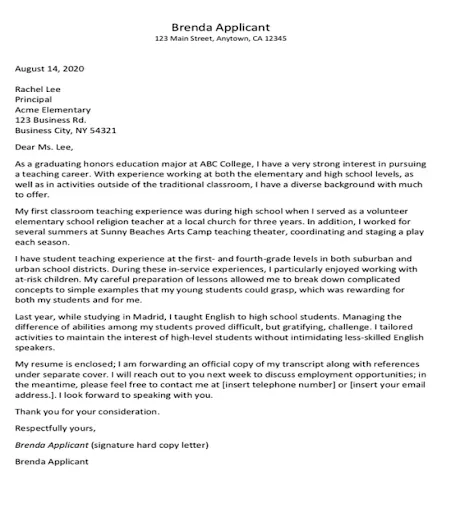
A strong teaching cover letter comprises several key components, each designed to highlight your qualifications and make a compelling case for your candidacy. These elements work together to create a cohesive and persuasive narrative that captures the attention of the hiring committee and encourages them to invite you for an interview. By carefully crafting each section, you can demonstrate your professionalism, expertise, and passion for teaching, ultimately increasing your chances of success in the job application process.
Header and Contact Information
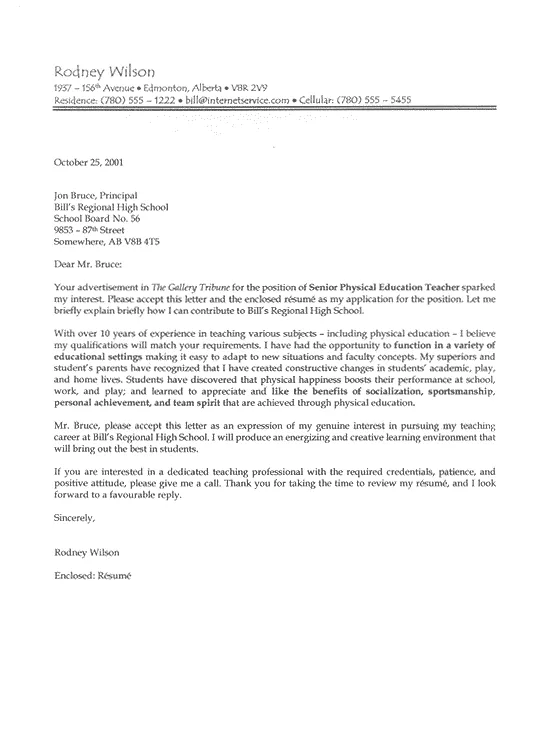
Start with a professional header that includes your full name, contact information (phone number and email address), and the date. If you know the hiring manager’s name, it’s beneficial to address the letter directly to them, which adds a personal touch. Ensure your contact information is accurate and up-to-date so the school can easily reach you.
Professional Greeting
Use a formal greeting, such as “Dear Mr./Ms. [Last Name],” if you know the hiring manager’s name. If not, a general greeting like “Dear Hiring Committee” or “Dear [School Name] Hiring Team” is appropriate. Avoid informal greetings such as “To Whom It May Concern,” which can make your letter feel generic.
Opening Paragraph

The opening paragraph is your hook, so make it count. Clearly state the position you’re applying for and where you saw the job posting. Briefly mention your key qualifications and why you’re excited about the opportunity. Show enthusiasm and make a strong first impression by highlighting a unique aspect of your background or teaching philosophy. This sets the tone for the rest of your letter and captures the reader’s interest from the start. It should be engaging and tailored to the specific job.
Body Paragraphs
The body of your cover letter is where you provide details about your skills, experience, and qualifications. The body should demonstrate your teaching philosophy and how you have successfully implemented it in the classroom. This section should highlight specific achievements and how they align with the job requirements. Use concise language and focus on the most relevant information to keep the reader engaged.
Showcasing Your Passion for Teaching
Show, don’t just tell, that you are passionate about teaching. Share examples of how you go above and beyond for your students or how your teaching philosophy aligns with the school’s mission. You can also describe a teaching moment that was particularly rewarding or an innovative lesson plan you created. Use anecdotes and stories to show your genuine love for the profession and what makes you a strong teacher.
Highlighting Relevant Experience

Provide specific examples of your experience, focusing on the skills and qualifications mentioned in the job description. Instead of just listing your previous roles, describe your responsibilities and the impact you had. Use the STAR method (Situation, Task, Action, Result) to showcase your accomplishments. Mention any specific curriculum or teaching methodologies you are familiar with, especially if they are mentioned in the job posting. This is an opportunity to tailor the content of the letter to match the school requirements.
Quantifying Achievements and Impact
Wherever possible, quantify your achievements to demonstrate your impact. Instead of saying “Improved student test scores,” state “Improved student test scores by 15% within one year.” Use data to support your claims and illustrate your effectiveness as an educator. For example, if you implemented a new classroom management strategy, specify how it reduced disciplinary issues or improved classroom behavior. This level of detail helps to make your accomplishments more compelling and measurable.
Tailoring Your Cover Letter to the Specific Job
One of the most important aspects of writing a successful teaching cover letter is tailoring it to the specific job and school. Generic cover letters are easily spotted and can be dismissed, so it’s crucial to demonstrate that you’ve done your research and understand the school’s needs and values. This shows your commitment to the role and your genuine interest in joining their community.
Researching the School and its Values

Before you start writing, thoroughly research the school. Visit their website, read their mission statement, and look for information about their values, programs, and initiatives. Tailor your cover letter to reflect what you learned. Show the hiring committee how your teaching philosophy and experience align with the school’s specific goals and what makes their school a unique and desirable place to teach. Mentioning specific programs or initiatives will show them you have put in the effort to understand the schools needs.
Addressing the Specific Requirements in the Job Description
Carefully review the job description and identify the key skills, qualifications, and experience the school is looking for. Address each requirement directly in your cover letter, providing specific examples of how you meet those needs. This helps the hiring committee to easily see how you are a strong match for the role. Use keywords and phrases from the job description to demonstrate that you understand the school’s needs and that you possess the necessary qualifications. The easier it is for them to match your skills and experience to their criteria, the better your chances of getting invited to an interview.
Proofreading and Formatting
Proofreading and formatting are crucial steps in ensuring your cover letter makes a positive impression. Errors in grammar, spelling, or formatting can undermine your credibility and make it appear as though you lack attention to detail. A polished cover letter demonstrates your professionalism and commitment to excellence. Always use a professional, easy-to-read font (such as Times New Roman or Arial) and maintain consistent formatting throughout the document. Proofread carefully to identify any errors in grammar, spelling, or punctuation. Ask a friend, family member, or career counselor to review your cover letter as a fresh pair of eyes can often catch mistakes you might miss.
Closing Your Cover Letter

The closing of your cover letter is your final opportunity to leave a lasting impression. This is where you can reiterate your interest in the position, express your enthusiasm, and clearly state how you can be contacted for an interview. A strong closing paragraph reinforces your qualifications and leaves the hiring committee with a positive and memorable impression.
Formal Closing and Signature
Use a formal closing, such as “Sincerely” or “Respectfully,” followed by your typed name. If you’re submitting a physical copy of your cover letter, sign your name above your typed name. This adds a professional touch and reinforces your commitment to the position. Keep the tone consistent with the rest of your letter, which is formal and respectful.
Expressing Enthusiasm and Call to Action
Reiterate your enthusiasm for the position and the school. Then, clearly state your availability for an interview and how you can be reached (phone and email). Thank the hiring committee for their time and consideration. End with a positive and confident note. Consider adding a line to thank them for their time and offer to provide any additional information they may need. Leave them with a clear call to action, making it easy for them to take the next step and contact you.