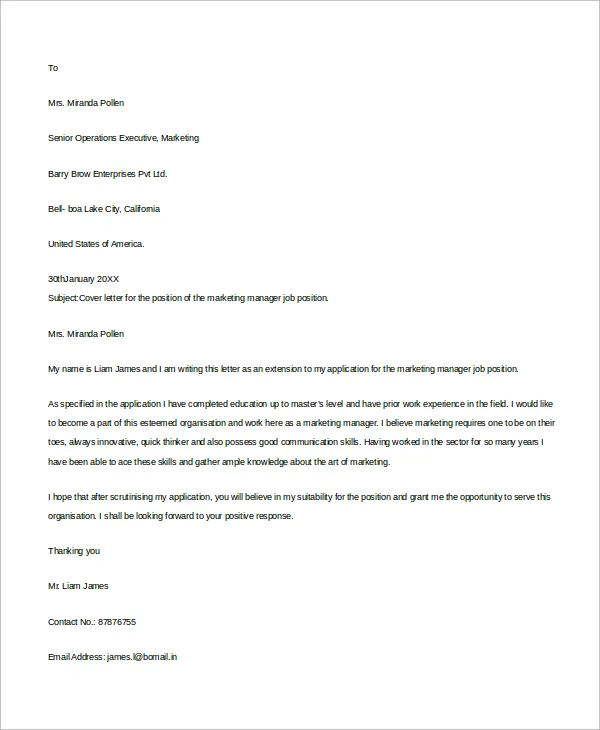
What is a Cover Letter Template?
A cover letter template is a pre-designed framework that provides a structure for writing a cover letter. It offers a starting point, helping job seekers organize their thoughts and present their qualifications effectively. Utilizing a cover letter template streamlines the writing process, ensuring key elements are included and saving valuable time. These templates typically include sections for contact information, a personalized greeting, an opening paragraph, body paragraphs highlighting skills and experience, and a closing statement expressing interest in the position. The best cover letter templates are adaptable, allowing you to customize them to align with your unique background and the specific requirements of each job application. Remember, a template is a guide; personalization is the key to making it stand out.
Key Components of a Powerful Cover Letter
A powerful cover letter is more than just a formality; it’s your chance to make a strong first impression. To craft one, you must focus on several key components. First, your contact information should be clearly displayed at the top, including your name, phone number, email, and optionally, your LinkedIn profile URL. Next, the greeting should be personalized to the hiring manager or the specific contact person, showing that you’ve done your research. The opening paragraph should immediately grab the reader’s attention by stating your interest in the position and highlighting a relevant achievement or skill. In the body paragraphs, you should emphasize your skills and experience, tailoring them to match the job description’s requirements. Always include action verbs to showcase your accomplishments and quantify your achievements whenever possible. Finally, express your enthusiasm for the company and its mission in the closing and include a call to action, such as requesting an interview.
Contact Information

Your contact information forms the foundation of your cover letter, ensuring that the hiring manager can easily reach you. At the top of the document, clearly state your full name, followed by your phone number, and a professional-looking email address. It is advisable to use a simple and clear format for your contact details. Consider including a link to your LinkedIn profile, especially if you have a well-maintained profile that showcases your professional experience and network. Ensuring your contact information is accurate and easily accessible is crucial for the hiring manager to contact you promptly if you are selected for an interview.
Greeting the Hiring Manager
The greeting in your cover letter sets the tone for the entire document. Aim to personalize your greeting to the hiring manager or the specific contact person mentioned in the job posting. Researching the company’s website or using LinkedIn can help you identify the appropriate person to address. If you are unable to find a specific name, use a professional greeting like ‘Dear Hiring Manager.’ Avoid generic greetings such as ‘To Whom It May Concern,’ as they demonstrate a lack of attention to detail. A personalized greeting shows initiative and indicates that you have taken the time to tailor your application to the specific company and role.
Writing a Compelling Opening Paragraph
Your opening paragraph must capture the reader’s interest immediately. Start by clearly stating the position you are applying for and where you found the job posting. Then, immediately highlight a key skill or achievement that directly relates to the job requirements. This could be a significant accomplishment, a relevant experience, or a specific ability. The opening should be concise and engaging, showcasing your understanding of the company’s needs and your value as a potential employee. A well-crafted opening paragraph sets the stage for the rest of the cover letter, enticing the hiring manager to read further and consider your application.
Highlighting Your Skills and Experience

The body of your cover letter is where you demonstrate how your skills and experience align with the job requirements. Review the job description and identify the key skills and qualifications the employer is seeking. Provide specific examples from your work history or education that showcase how you have successfully utilized these skills. Use the STAR method (Situation, Task, Action, Result) to effectively describe your experiences. For example, explain the situation, the task you undertook, the actions you took, and the positive results you achieved. Ensure the examples are relevant to the role and highlight the value you can bring to the company. Use keywords from the job description naturally to optimize your application.
Tailoring Your Cover Letter to the Job Description
Customizing your cover letter for each job application is crucial for demonstrating your genuine interest and suitability for the role. Avoid using a generic template and instead, carefully analyze the job description to identify the specific skills, experiences, and qualifications the employer is looking for. Highlight how your background and experience align with these requirements. Provide examples that showcase your accomplishments and the impact you made in previous roles. Research the company’s values and mission statement and integrate them into your cover letter. This shows that you understand the company’s culture and are a good fit. Customize each cover letter to show that you have taken the time to understand the role and company.
Using Action Verbs to Showcase Achievements
Action verbs add dynamism and impact to your cover letter, vividly demonstrating your accomplishments and capabilities. Instead of using passive language, start your sentences with strong action verbs to describe your experience and achievements. For example, use verbs like ‘managed,’ ’led,’ ‘developed,’ ‘implemented,’ ‘achieved,’ ‘improved,’ or ‘increased.’ These verbs help the hiring manager quickly understand your contributions and the impact you made in previous roles. Ensure the action verbs you choose are specific to the tasks and results you achieved. This enhances your credibility and makes your cover letter more engaging.
Quantifying Your Accomplishments

Whenever possible, quantify your achievements to provide concrete evidence of your success. Use numbers, statistics, and percentages to demonstrate the tangible results you have achieved in previous roles. For example, instead of saying ‘Improved customer satisfaction,’ say ‘Improved customer satisfaction by 15%.’ Quantifying your achievements makes your accomplishments more compelling and easier for the hiring manager to understand the value you bring. Always include relevant metrics to support your claims, providing a clear picture of your abilities and the positive impact you can have on the company. Be specific and avoid using vague language.
Demonstrating Your Enthusiasm for the Company
Showcasing your genuine enthusiasm for the company is essential to distinguish yourself from other applicants. Research the company’s mission, values, and recent projects. In your cover letter, express your interest in the specific aspects of the company that resonate with you. Mention why you are excited about the opportunity, the company’s culture, or its products or services. You can also refer to recent news or developments that align with your interests. Make sure to clearly articulate your belief that the company is a good fit for you. This displays your initiative, genuine interest, and makes your application more memorable.
Addressing Potential Weaknesses
Address any potential weaknesses in your application transparently. If you have gaps in your employment history, or if your background doesn’t align perfectly with the job requirements, acknowledge these areas briefly. Then, explain how you are working to overcome these weaknesses. For example, if you are transitioning careers, highlight the transferable skills and relevant experience you possess. If you lack a specific skill, mention the steps you are taking to gain it. Frame these instances positively, showing your eagerness to learn, adapt, and grow. Ensure your cover letter is about your ability to perform and achieve results, despite any perceived shortcomings.
Closing Your Cover Letter Effectively

The closing of your cover letter offers a final opportunity to reiterate your interest and make a lasting impression. Express your gratitude for the hiring manager’s time and consideration. Reiterate your enthusiasm for the position and the company. Include a call to action, such as requesting an interview or indicating your availability for a phone call or meeting. Clearly state how you can contribute to the company’s success. Reiterate your contact information for convenience. Conclude with a professional closing, like ‘Sincerely’ or ‘Best regards,’ followed by your typed name. A well-crafted closing ensures your application leaves a strong and professional impression.
Expressing Gratitude and Providing Contact Information
Expressing gratitude is a key component of a professional cover letter. Thank the hiring manager for their time and consideration. This shows your respect for the recipient and helps maintain a positive tone. In the closing paragraph, restate your enthusiasm for the opportunity and provide your contact information again. This makes it easy for the hiring manager to reach you. Include your phone number and email address. Making it easy for the hiring manager to contact you demonstrates your professionalism and eagerness to move forward in the hiring process.
Proofreading and Editing Your Cover Letter
Before submitting your cover letter, meticulously proofread and edit it to eliminate any errors. Typos, grammatical errors, and inconsistencies can create a negative impression. Read through your cover letter multiple times, paying close attention to grammar, spelling, punctuation, and sentence structure. Consider using a grammar checker tool. Ask a friend or family member to review your cover letter as a second pair of eyes. Ensure the formatting is consistent and professional. A polished and error-free cover letter demonstrates your attention to detail and commitment to quality. Proofreading ensures your application represents you in the best possible light.
Template Variations and Customization

Cover letter templates are not one-size-fits-all; they come in various formats to accommodate different job types and career levels. Understanding these variations helps you select the best template for your needs. You can find templates for entry-level positions, mid-career professionals, and executive-level roles. The format and content of these templates will vary depending on the experience level and the skills they emphasize. Choosing a template that aligns with your experience and the job requirements is essential. Then, customize the template to showcase your unique background and the specific qualifications required for the position you seek. Personalization is vital.
Template for Entry-Level Positions
Templates for entry-level positions should emphasize education, internships, and any relevant coursework or projects. These templates should highlight transferable skills, such as communication, teamwork, and problem-solving. Since experience is limited, focus on demonstrating your eagerness to learn, your ability to adapt, and your enthusiasm for the role. Include examples of any leadership roles, volunteer work, or extracurricular activities that showcase your skills and initiative. Tailor the template to the specific job and the company’s values, expressing your excitement about the opportunity to contribute to the organization.
Template for Mid-Career Professionals
Cover letter templates for mid-career professionals should emphasize career achievements, leadership experience, and measurable results. Use the STAR method to provide detailed examples of your accomplishments, showing how you have contributed to the success of your previous employers. Quantify your accomplishments whenever possible and highlight your strategic thinking and problem-solving skills. Tailor the template to the specific job description, emphasizing the skills and experiences most relevant to the role. Focus on demonstrating your value as a seasoned professional and highlighting the impact you can make on the company.
Template for Executive-Level Roles

Executive-level cover letter templates require a polished and sophisticated approach, emphasizing leadership, strategic thinking, and significant achievements. The template should provide a concise overview of your career, highlighting your most impressive accomplishments and quantifiable results. Focus on showcasing your ability to lead teams, drive innovation, and achieve business goals. Demonstrate your understanding of the company’s industry and challenges, and provide a clear vision of how you can contribute to the company’s success. Use a formal tone and include relevant keywords from the job description. The template should also highlight your ability to think strategically and make high-level decisions.
Common Mistakes to Avoid
Several common mistakes can undermine your cover letter, reducing your chances of landing an interview. Avoid these pitfalls by paying attention to detail and tailoring your application to each job. First, be aware of the tone and voice of the company. Avoid using informal language or slang. Avoid sounding too casual or overly familiar. Ensure your tone is professional and appropriate for the industry. Second, do not use a generic cover letter. Always customize the cover letter for each job you apply for. Third, always proofread your cover letter before submitting your application. Errors can create a negative impression of your attention to detail and commitment to quality.
Using the Wrong Tone or Voice
The tone and voice of your cover letter should align with the company culture and the industry. Avoid using informal language or slang that might not be appropriate for a professional setting. Ensure your tone is professional, respectful, and enthusiastic. Tailor the tone to match the company’s values and the specific role you are applying for. Research the company’s brand and communication style and adapt your writing accordingly. When in doubt, maintain a formal and professional tone, which is always safe.
Generic Cover Letter
Using a generic cover letter is a common mistake that can make your application less compelling. A generic letter fails to demonstrate your genuine interest in the company and the specific role. It can also be perceived as a lack of effort, which might make it difficult for you to make it to the interview stage. Make sure that you customize your cover letter for each job application. Research the company, review the job description carefully, and highlight how your skills and experience align with the specific requirements. Tailoring your cover letter shows that you are genuinely interested in the role and have taken the time to understand the company’s needs.
Failing to Proofread Your Cover Letter
Failing to proofread your cover letter can significantly decrease your chances of getting noticed by the hiring manager. Errors in grammar, spelling, and punctuation can create a negative impression. They reflect a lack of attention to detail and can suggest that you are not committed to quality. Always read through your cover letter multiple times. Consider using a grammar checker tool and ask a friend or family member to review your letter. Proofreading helps you ensure your cover letter is error-free and professionally written, helping to showcase you in the best possible light.
Cover Letter Template Best Practices
Following best practices can significantly improve the effectiveness of your cover letter. This includes matching the tone of the company, formatting for readability, and saving and sending your cover letter properly. By adhering to these practices, you can ensure your cover letter is professional, easy to read, and effectively communicates your qualifications.
Matching the Tone of the Company
Aligning the tone of your cover letter with the company culture is essential. Research the company’s brand and communication style. Analyze their website, social media, and job postings to get a sense of their tone. Adapt your writing style to match their voice. If the company has a more relaxed or informal culture, you can use a slightly more casual tone. If it has a formal culture, maintain a professional and respectful tone. Mirroring the company’s tone shows that you understand their values and are a good fit for their culture, which could help you get hired.
Formatting for Readability
Formatting your cover letter for readability helps the hiring manager quickly grasp your qualifications. Use a clean and professional font, such as Times New Roman or Arial, and ensure the font size is between 10 and 12 points. Use clear headings and bullet points to break up the text and make it easier to read. Use white space to create a visually appealing layout. Keep your paragraphs concise and to the point. Proofread your letter to ensure it is free of errors. Your cover letter should be easy to scan and navigate.
Saving and Sending Your Cover Letter
Saving and sending your cover letter correctly is crucial to making a positive impression. Save your cover letter in a professional format, such as PDF, which ensures your formatting remains consistent across devices. Use a clear and descriptive file name, such as ‘YourName_CoverLetter_JobTitle.’ When sending your cover letter via email, include a brief and professional subject line. Attach both your cover letter and resume to the email and mention them in the body of your email. Make sure your email address is professional. Taking these steps guarantees your application looks professional and is easily accessible.