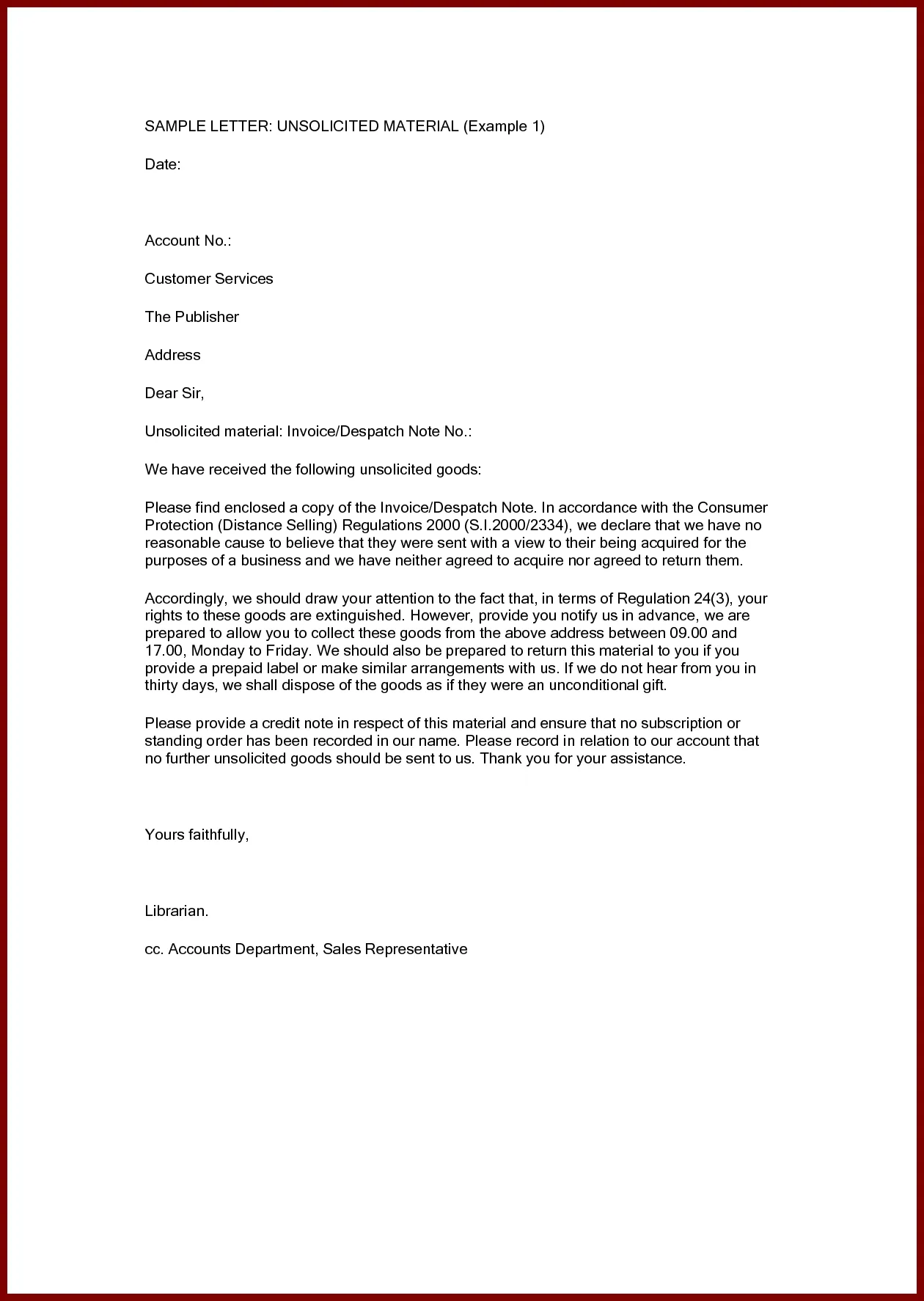
What is an Unsolicited Cover Letter?
An unsolicited cover letter is a proactive job application sent to a company when there isn’t a specific job opening advertised. It’s a way to introduce yourself and your skills to a potential employer, expressing your interest in working for their company even if they aren’t actively hiring. This approach demonstrates initiative and a genuine interest in the organization, setting you apart from other applicants who only respond to job postings. Often, an unsolicited cover letter includes a resume and aims to convince the reader of your value, potentially creating a new opportunity for you.
Why Use Unsolicited Cover Letters?
Unsolicited cover letters can be a highly effective strategy in your job search, offering several advantages over simply applying for advertised positions. They allow you to target companies you’re genuinely interested in, even if they’re not currently hiring. This approach showcases your proactive nature and enthusiasm, which can be impressive to potential employers. By researching companies and tailoring your letter to their specific needs and values, you demonstrate a level of engagement that passive applications often lack. Moreover, these letters can help you uncover hidden job opportunities that aren’t publicly listed, potentially giving you a significant advantage over other candidates.
Benefits of Unsolicited Cover Letters

The benefits of sending unsolicited cover letters are numerous. First, it demonstrates initiative and a strong interest in the company, which makes you stand out from the crowd. You’re not just responding to a job posting; you’re actively seeking opportunities. Second, you can tailor your letter to the specific company and its values, showcasing how your skills and experience align with their needs. This personalization greatly increases your chances of making a positive impression. Third, unsolicited letters can open doors to hidden job opportunities that might not be advertised, giving you a competitive edge. They show a level of dedication and a proactive approach to your career.
How to Write an Unsolicited Cover Letter
Writing a compelling unsolicited cover letter involves several key steps. It is crucial to approach this task strategically to maximize your chances of success. You will need to research the company, identify the right contact person, create a compelling opening, highlight your skills and experience, showcase your value proposition, provide specific examples, and tailor your letter to the company’s needs. Additionally, you should carefully format the letter, maintain a professional tone, and meticulously proofread it. Following these steps will significantly increase your chances of crafting a letter that captures attention and opens doors.
Research the Company
Before you write your letter, thorough research is essential. Visit the company’s website, explore its social media profiles, and read news articles about the company. Understand its mission, values, products or services, recent achievements, and any challenges it faces. This information will help you tailor your letter, demonstrating that you understand the company’s needs and that you can contribute to its success. Knowing about recent projects, awards, or initiatives will help you personalize your letter further, showing that you have a genuine interest beyond just a generic application.
Identify the Right Contact Person

Finding the correct contact person is critical. Instead of using a generic salutation, try to address your letter to a specific individual. This shows you’ve done your homework and adds a personal touch. Look on the company website, LinkedIn, or other professional platforms to identify the hiring manager or someone in a relevant department. If you can’t find a specific name, you might address the letter to the head of the department you are interested in joining. A personalized approach significantly increases the likelihood that your letter will be read and considered.
Create a Compelling Opening
Your opening paragraph should immediately grab the reader’s attention. Start with a strong statement that clearly expresses your interest and why you are writing. Mention how your skills and experience align with the company’s mission or values. You might briefly highlight a significant achievement or a specific skill that makes you stand out. Avoid generic phrases. Instead, express your enthusiasm and demonstrate your understanding of the company. A concise, engaging opening will encourage the reader to continue, increasing the impact of your letter.
Highlight Your Skills and Experience
In the body of your letter, showcase your relevant skills and experience. Instead of simply listing your qualifications, provide specific examples of how you’ve used those skills to achieve results. Quantify your achievements whenever possible (e.g., “Increased sales by 15%,” “Managed a team of 10”). Tailor your examples to match the company’s needs and the industry. This approach not only highlights your value but also demonstrates that you can deliver tangible results. Focusing on accomplishments makes your letter more compelling and memorable.
Showcase Your Value Proposition

Clearly articulate what you can bring to the company. Explain how your skills and experience can benefit them. This is your opportunity to demonstrate that you are not just looking for a job but also an asset that can contribute to the company’s success. Focus on the value you provide, whether it’s improving efficiency, increasing revenue, or enhancing customer satisfaction. Demonstrate that you understand the company’s objectives and can help achieve them. This proactive approach makes you a more attractive candidate.
Provide Specific Examples
Use concrete examples to illustrate your skills and experience. Instead of saying you’re a good problem-solver, describe a specific situation where you identified a problem, developed a solution, and achieved a positive outcome. Provide details about the challenges you faced, the actions you took, and the results you achieved. This will make your claims credible and memorable. The more specific your examples, the more effectively you demonstrate your ability to perform in a real-world setting. Use the STAR method (Situation, Task, Action, Result) to structure your examples.
Tailor Your Letter to the Company’s Needs
Customize your cover letter for each company you approach. Generic letters that aren’t tailored to the recipient show that you haven’t put in the necessary effort. Show that you’ve researched the company and understand its needs. Reference the company’s mission, values, or recent initiatives. Explain how your skills and experience align with the company’s goals. This personalized approach will increase the impact of your letter. Take time to review the company’s website, social media profiles, and news articles to gather insights.
Format Your Unsolicited Cover Letter

Proper formatting is crucial for readability and professionalism. Use a standard business letter format with a clear font (e.g., Times New Roman, Arial) and a readable font size (11 or 12 points). Ensure your letter has a professional heading, including your contact information and the date. Keep the letter concise and easy to scan, typically one page in length. Use clear headings, subheadings, and bullet points to break up the text and highlight key information. The formatting will greatly improve your letter’s visual appeal, making it easier for the reader to process and comprehend your message.
Keep it Concise
Unsolicited cover letters should be brief, typically no more than one page. Recruiters and hiring managers are busy. They often don’t have the time to read lengthy documents. Focus on the most relevant information and highlight your key skills and experiences. Get to the point quickly and effectively. A concise letter demonstrates respect for the reader’s time and increases the likelihood of your letter being read in its entirety. Use clear language and avoid unnecessary jargon or complex sentence structures.
Use a Professional Tone
Maintain a professional tone throughout your letter. Avoid slang, informal language, or overly casual expressions. Use polite and respectful language, and be enthusiastic without being overly familiar. Proofread your letter carefully to ensure there are no grammatical errors or typos. A professional tone demonstrates your seriousness and helps to make a positive impression. Your writing style is a reflection of your professionalism, so it’s important to maintain a polished and respectful tone throughout.
Proofread Carefully

Proofreading is absolutely essential before sending your letter. Errors in grammar, spelling, and punctuation can undermine your credibility and make a negative impression. Carefully review your letter for any mistakes. Consider having someone else proofread it for you, as a fresh pair of eyes can often catch errors you might miss. Proofreading demonstrates attention to detail, which is highly valued by employers. A flawless letter signals that you care about your work and are committed to excellence.
Unsolicited Cover Letter Examples by Industry
Cover letters should be tailored to the industry. Here are a few examples to help you get started. Each example below illustrates the general structure and elements discussed above, but will provide a different focus. Consider your target industry when writing your own letter and tailor your tone accordingly. Keep your resume ready in case you need to submit it with the cover letter.
Example Unsolicited Cover Letter for Marketing
In marketing, you’ll want to highlight your experience with campaigns, brand management, and digital marketing tools. Quantify your results with metrics (e.g., “Increased website traffic by 30%”). Showcase your knowledge of industry trends and your ability to create engaging content. Include examples of successful marketing initiatives. Your ability to drive results is important in marketing. Show your ability to understand the company’s target audience. Tailor your language to match the brand’s voice. This will make you stand out from other applicants.
Example Unsolicited Cover Letter for Software Engineering

Software engineering letters should emphasize your technical skills, coding proficiency, and experience with specific programming languages, frameworks, and tools. Provide details about the projects you’ve worked on, and describe how you contributed to those projects. Mention your expertise in software development methodologies. Demonstrate your problem-solving abilities and your ability to work in a team. Showcase any specific certifications or achievements. Be sure to detail your experience in the specific areas of the company’s technology stack.
Example Unsolicited Cover Letter for Finance
In finance, highlight your analytical skills, attention to detail, and experience with financial analysis, reporting, and accounting principles. Show your understanding of financial regulations. Mention your proficiency in relevant software and financial models. Quantify your achievements by using metrics (e.g., “Reduced costs by 15%”). Provide specific examples of financial projects you’ve managed. Show your understanding of financial principles and how you can apply them to the company’s business. Also, be sure to mention any relevant certifications.
Example Unsolicited Cover Letter for Project Management
Project management letters should emphasize your organizational skills, experience in managing projects, and ability to lead teams. Highlight your proficiency in project management methodologies (e.g., Agile, Scrum, Waterfall). Describe your success in delivering projects on time and within budget. Showcase your communication and leadership skills. Mention your experience in risk management. Provide specific examples of projects you’ve managed, including the challenges you faced and the solutions you implemented. Your ability to keep projects organized and on track is essential.
Tips for Sending Your Unsolicited Cover Letter

Sending your unsolicited cover letter is an important step. Consider the best method to submit it. The choice of method will influence how your letter is received. Make sure you follow up and stay persistent. Send your letter as a PDF file to maintain formatting. Be sure to include a well-crafted resume. Use a clear and professional email subject line. Include your contact information. Don’t be discouraged if you don’t hear back immediately. The follow-up is just as important as sending the letter.
Follow Up Effectively
Following up on your unsolicited cover letter is an essential step. Send a follow-up email or make a phone call within a week or two of submitting your letter. Express your continued interest in the position and the company. Mention the specific points you made in your letter, and reiterate how you can add value. Keep the follow-up brief and polite. If you don’t receive a response, send a second follow-up a few weeks later. Be persistent and professional, but don’t be overly aggressive. This follow-up shows you’re serious about the opportunity and demonstrates your initiative.